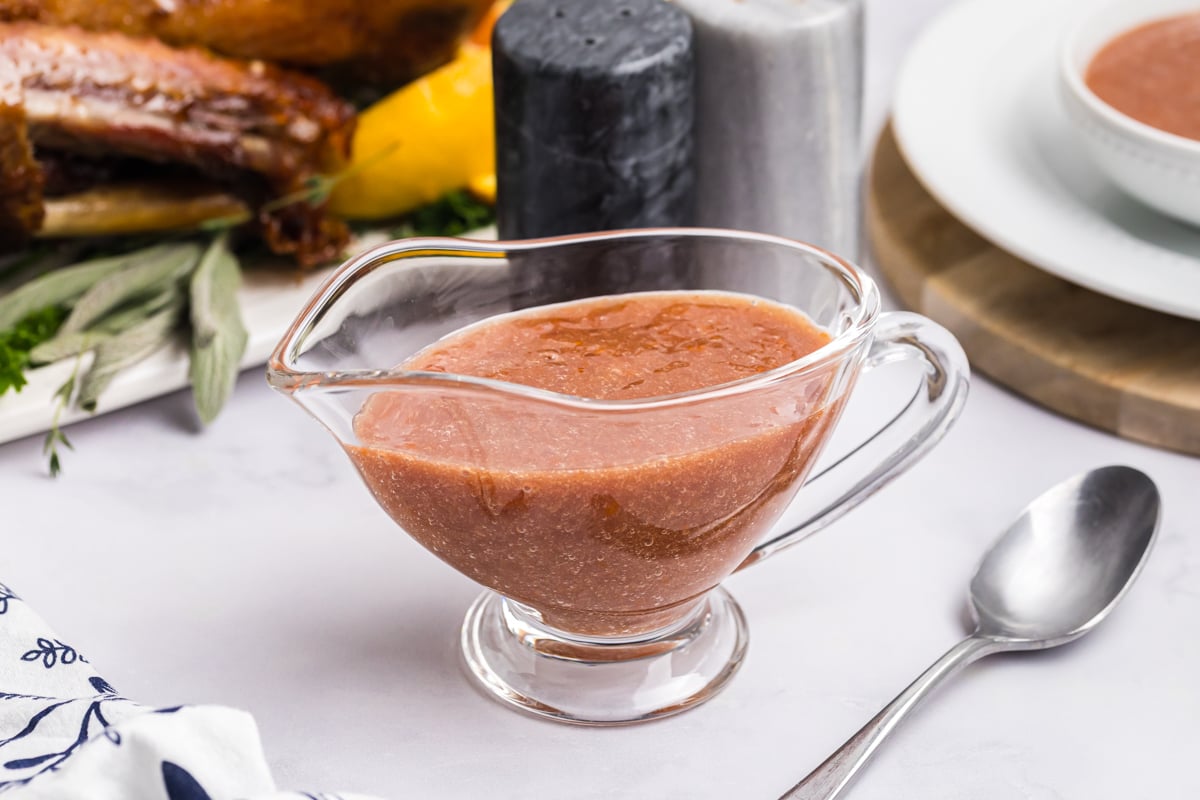
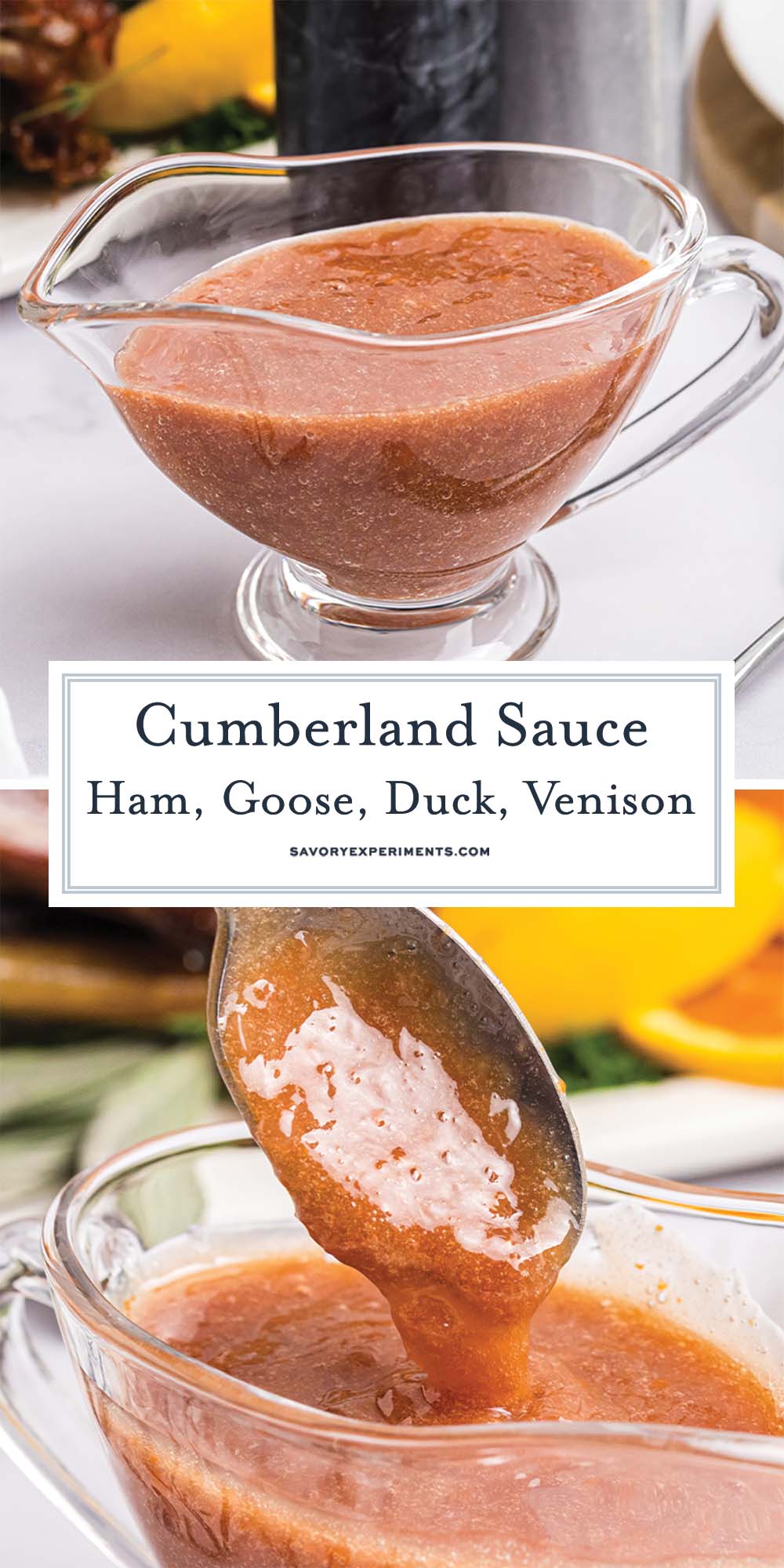
Cumberland sauce is a glossy, sweet-tart sauce made with port, fresh orange and red currant jam. Most versions are just jelly stirred with wine and served cold. Mine starts with beef stock and gets cooked down, so it tastes rich and savory, not like jam on a plate. This one is made a sauce for goose, but it can be served with many other meats.
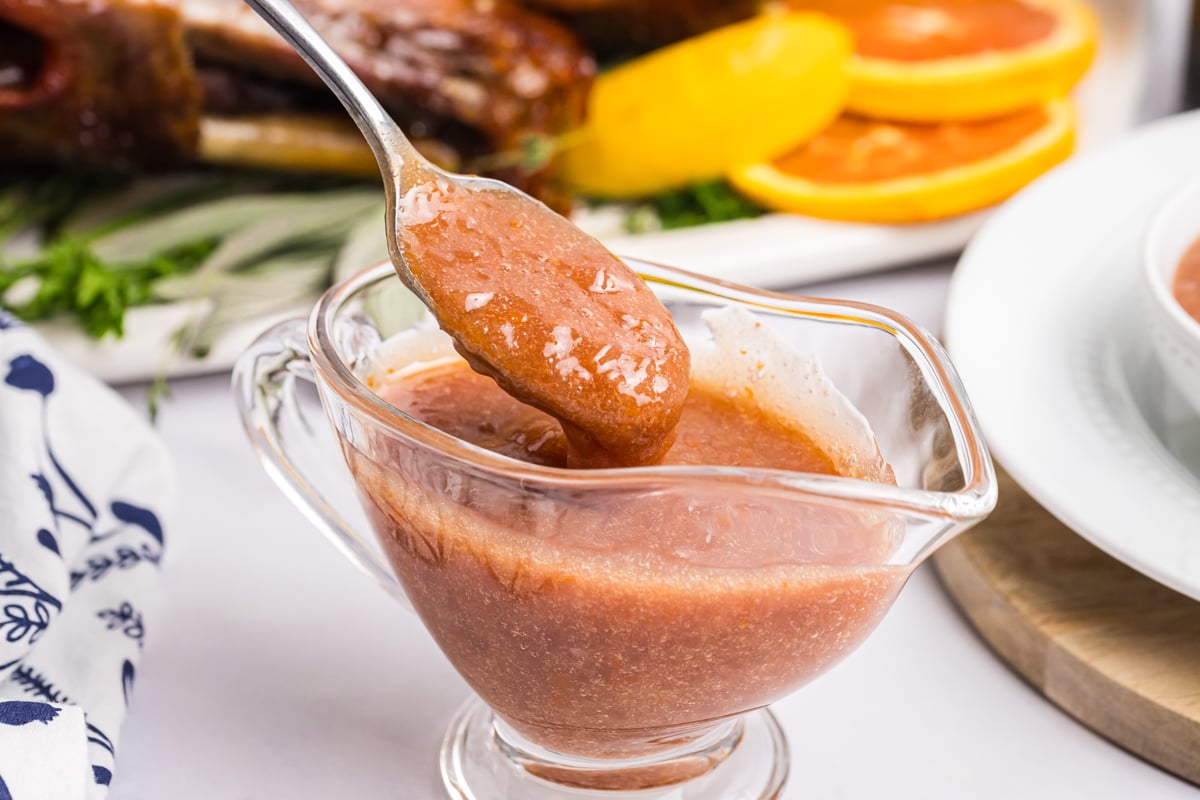
Cumberland Sauce is a sweet, fruit-based sauce served chilled or at room temperature with non-white meat. Think game meat like roast goose, duck, venison, or lamb. This version is adapted from a Food & Wine recipe that was published decades ago. I’ve since made it my own to adjust the flavors to be more complex.
What Makes This Recipe Different
- It has a real backbone. Beef stock gives the sauce savory depth. Classic versions skip stock, so they taste more like a fruit glaze that could just as easily come from a jar.
- It’s cooked down for big flavor. Simmering until the liquid drops by two-thirds concentrates the port, orange and currant. Water cooks off and flavor stays so it is robust and zippy.
- It’s silky, not chunky. The shallots flavor the sauce, then get strained out. You get a smooth silky sauce.
- It gets its kick from black pepper. Older recipes use mustard, ginger or cayenne for heat. A full tablespoon of fresh pepper gives a warm bite that works with rich meats. This can be reduced if you want a sweet-forward version. It gets strained out at the end leaving behind notes without being overly peppery.
- It’s made for planning ahead. It keeps in the fridge for days, so it’s one less thing to do on the big day.
The History of Cumberland Sauce
Cumberland sauce is old. Really old. Hank Shaw calls it “one of the oldest sauces still commonly made today,” and traces it from Hannah Glasse’s 1747 cookbook to its modern form by 1846.
It grew out of a much older habit. For hundreds of years, cooks served rich meats with tangy, spiced fruit sauces soured with vinegar or the juice of unripe grapes. The sweet and sour cut through the fat, which is the same job Cumberland sauce does today.
Cumberland sauce began with Hannah Glasse’s 1747 venison sauces. It took its modern shape in an 1817 port and currant jelly recipe that didn’t have a name yet. The name “sauce Cumberland” showed up at an 1872 royal feast and in print by 1878, and Escoffier later called it the perfect partner for cold venison.
Ingredients for Cumberland Sauce
This sauce uses everyday grocery store ingredients. The port might be the only new item for some cooks, and it’s easy to find at any liquor store. For a full list of ingredients, see the printable recipe card below.
- Low-sodium beef stock: The savory base. It gives the sauce body and depth. Low-sodium matters because the sauce reduces a lot, and regular stock can turn too salty. Swap: low-sodium chicken stock for a lighter flavor.
- Port wine: The heart of Cumberland sauce. Port is a sweet, fortified red wine with deep fruit flavor. A basic ruby port is perfect here. You don’t need a pricey bottle.
- Red wine vinegar: Brings the tang. Acid balances the sweet port and jam, and it cuts through fatty meats like goose and duck.
- Fresh orange juice: Adds bright citrus flavor and natural sweetness. Squeeze it fresh. Bottled juice tastes flat and cooked, and you’ll notice it.
- Shallots: Give a mild, sweet onion flavor. They soften as the sauce simmers and get strained out at the end. Swap: a small amount of sweet onion if you can’t find shallots.
- Red currant jam: Adds fruit, sweetness and color. Red currant is the classic choice for this sauce. Swaps: red currant jelly works the same way. Other berry jams work too, like lingonberry, raspberry or blackberry.
- Freshly ground black pepper: The heat. It adds a warm bite that keeps the sauce from tasting like dessert.
- Fresh orange zest: Zest holds the orange’s oils, which carry much more flavor than the juice. It makes the citrus pop.
- Cornstarch: The thickener. It turns the reduced liquid into a glossy sauce that clings to meat.
- Coarse kosher salt: Wakes up all the other flavors. It goes in at the end, after the sauce is reduced, so you don’t over-salt.
The Best Port for Cumberland Sauce
Buy a basic ruby port. Its bright red fruit flavor is exactly what this sauce needs. It also gives the sauce its deep red color.
Skip the expensive vintage bottles. The sauce simmers for about 25 minutes, and that cooks away the delicate flavors you’d be paying for. Save the good stuff for sipping with the cheese plate.
Tawny port works in a pinch. Your sauce will taste nuttier and look browner, and you’ll lose some of the bright berry flavor. Avoid white port here, since it won’t give you the color or the rich fruit.
How to Make Cumberland Sauce
This is an easy sauce. If you can stir a pot and set a timer, you can make it. Most of the time is hands-off simmering while you get the rest of dinner done.
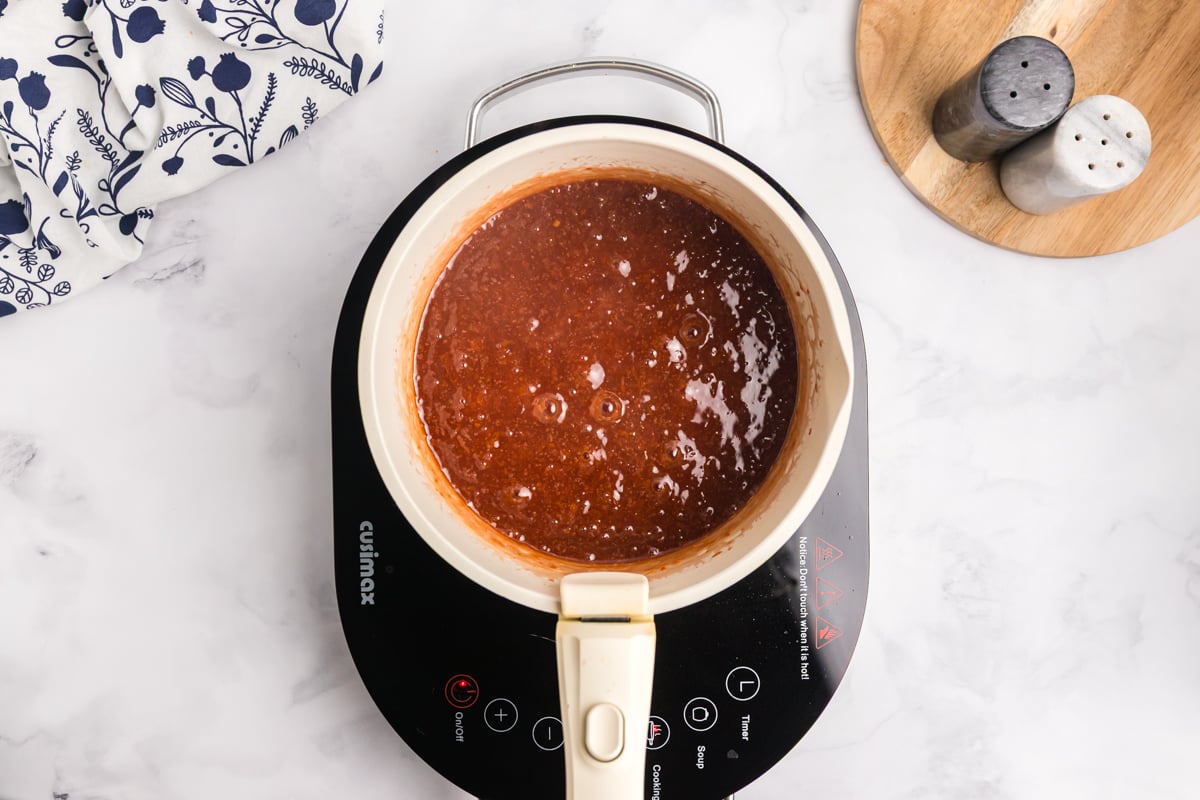
- Build the base. Add everything except the cornstarch and salt to a saucepan. Bring it to a low simmer, not a hard boil. A gentle simmer pulls flavor out of the shallots and zest without scorching the sugars in the port and jam.
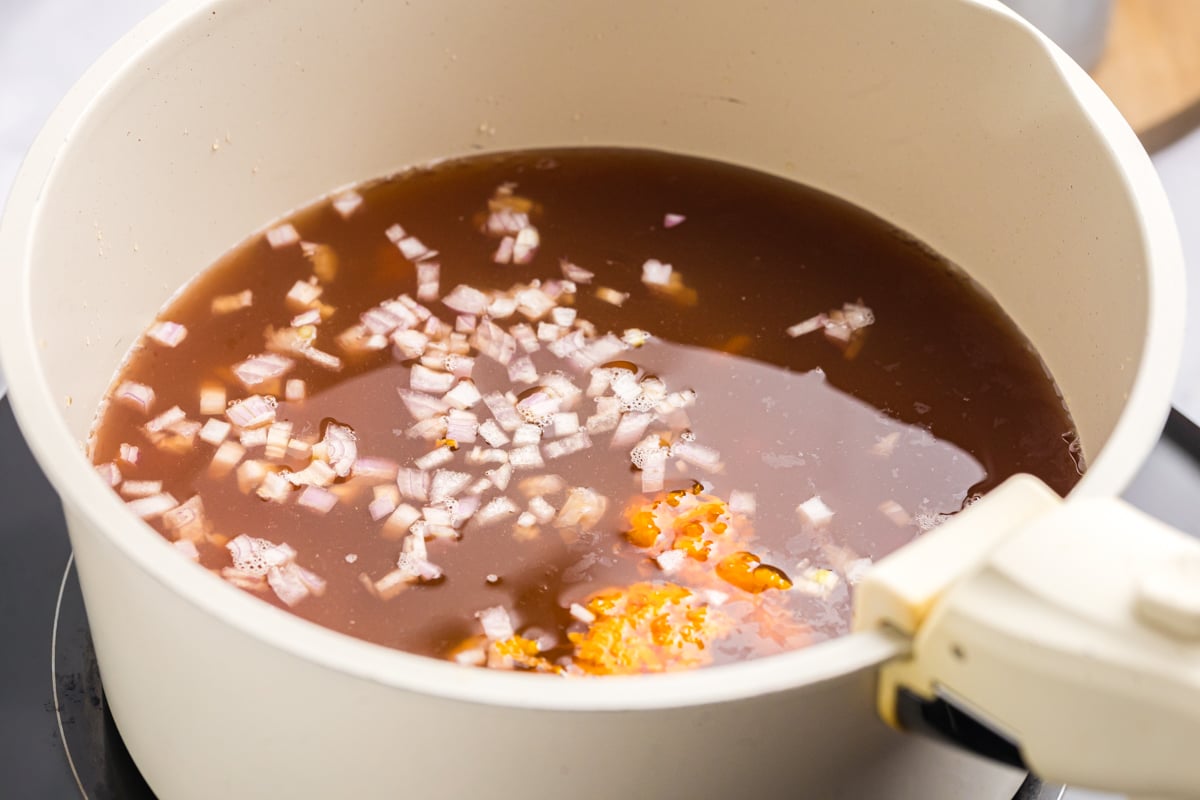
- Reduce by two-thirds. Let it bubble gently for about 25 minutes. This is where the flavor builds. Tip: before you start, dip a wooden spoon in to mark the starting level. It makes “reduced by two-thirds” easy to see.
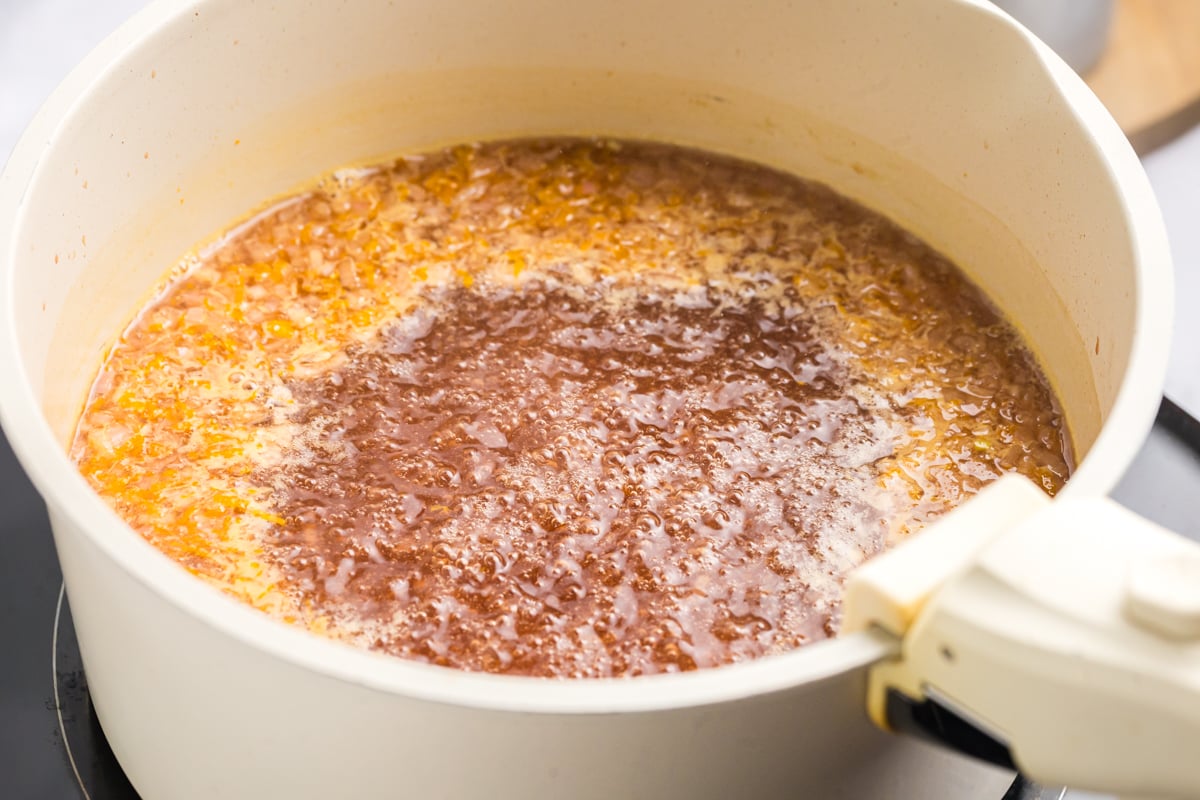
- Strain it smooth. Pour the sauce through a fine mesh strainer and put it back in the pot over low heat. Press on the shallots with a spoon to get every bit of flavor out, then toss them.
- Thicken and season. Blend the cornstarch into 1/4 cup cold water. This is called a slurry. Mixing the cornstarch into a little liquid first keeps it from clumping in the pot. Whisk it into the sauce slowly, then stir in the salt.
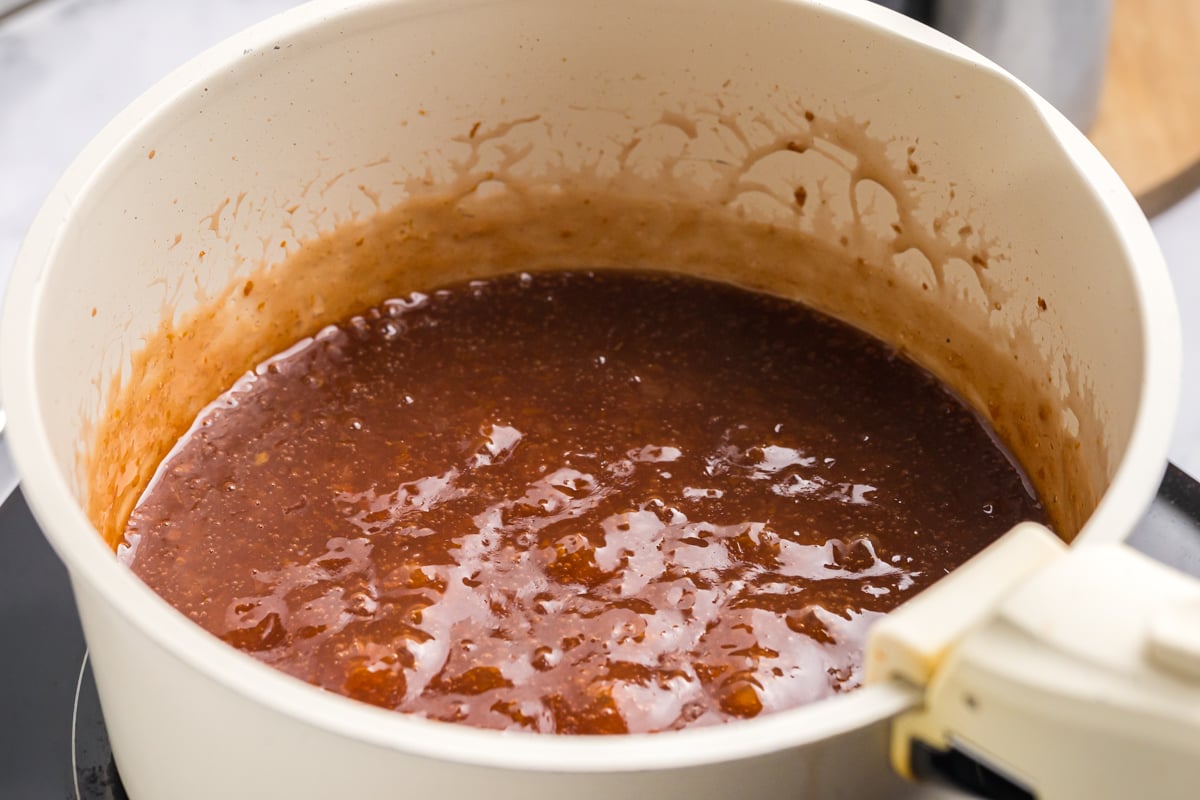
- Chill until serving. Move the sauce to a storage container and refrigerate. It thickens more as it cools, and the flavors settle and blend.
Chef Jessica’s Tips
- Zest before you juice. It’s almost impossible to zest a squeezed orange. Zest first, then cut and juice.
- Use only the orange part of the peel. The white pith underneath is bitter. A light touch with the microplane is all you need.
- Don’t buy expensive port. Cooking boils off the delicate notes a fine port is prized for. A basic ruby port is perfect, and it’s nice to sip while you cook.
- Keep the simmer gentle. A hard boil can scorch the sugars from the jam and port. Scorched sugar tastes bitter, and you can’t fix that.
- Salt last. Reducing concentrates everything, salt included. Taste at the end, then season.
- Thin it if it sets too thick. Chilled sauce firms up. Whisk in a splash of stock or orange juice to loosen it.
- Make it a few days early. It’s one less pot on the stove when the goose or ham is coming out of the oven.
What to Serve with Cumberland Sauce
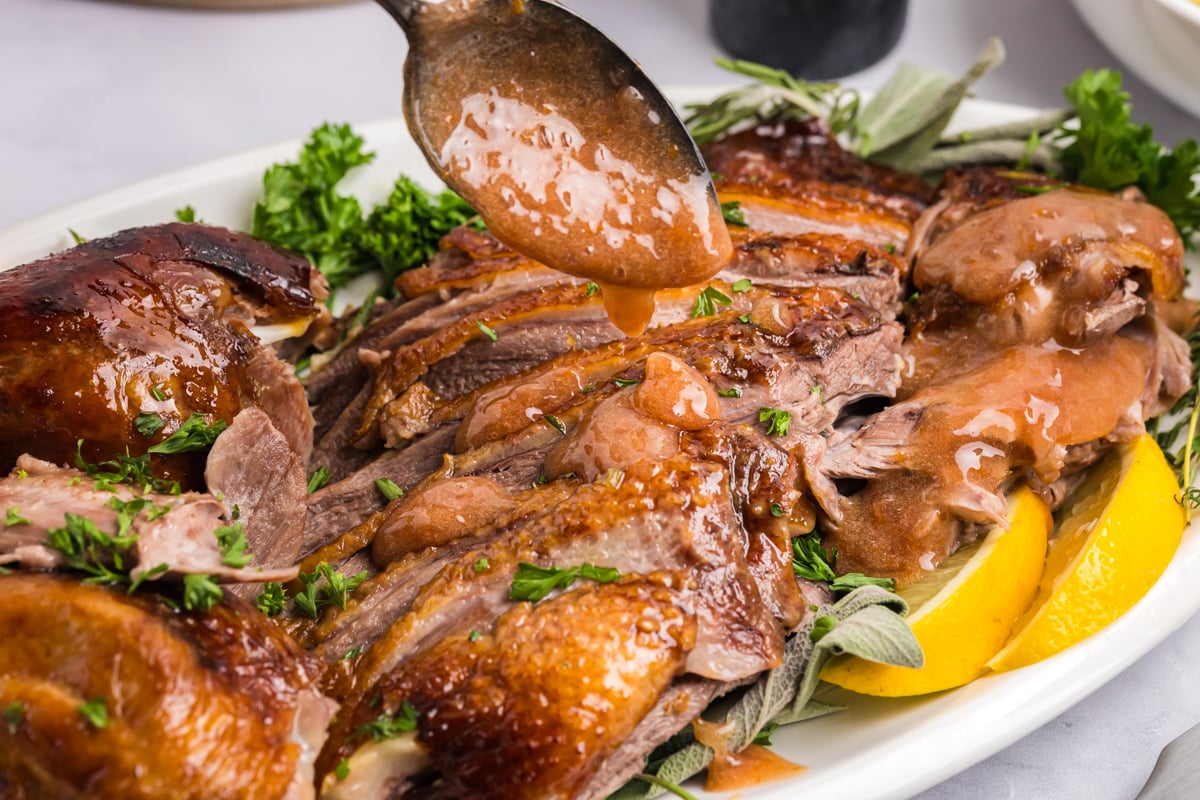
Cumberland sauce was made for rich, fatty meats. Its tang cuts through the fat the way cranberry sauce works with turkey. That makes it a natural match for my Sweet Roast Goose or Crispy Duck à l’Orange. The orange in both dishes connects to the orange in the sauce.
It’s also a classic with ham. The sweet-tart flavor balances the salty meat, so spoon it next to a Pineapple Ham at Easter or Christmas. Venison, lamb and pork roast are great matches too. Any meat with bold flavor can stand up to it.
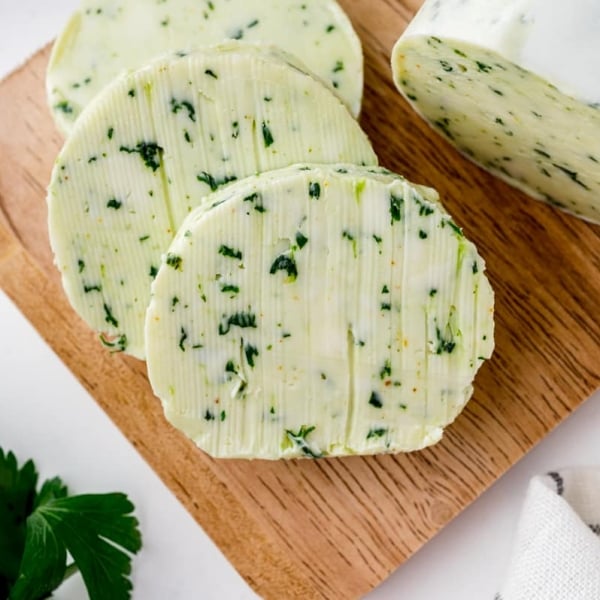
Leftovers? Put a little bowl of it on a butter board or a cheese board with cold meats, sharp cheddar and crackers.
Variations
This sauce is perfect as-is, but if you want to make it your own, here are some ways to do it.
- Old-school spice: Add 1 teaspoon dry mustard and 1/4 teaspoon ground ginger with the other ingredients. Mustard and ginger are the heat in most older recipes.
- Lemon lift: Add the zest of 1 lemon with the orange zest for sharper citrus.
- Holiday cranberry: Swap the red currant jam for cranberry sauce. Delicious magazine’s version uses cranberries, and it’s a natural fit next to turkey.
- Lingonberry: Use lingonberry jam, which IKEA and many grocery stores carry. It’s tart and close to red currant.
- Chunky citrus peel: Many classic recipes add thin strips of orange peel at the end. Cut the peel into matchsticks, blanch them in boiling water for 2 minutes to tame the bitterness, then stir them in after straining.
- Spicy: Add a pinch of cayenne for heat that works with venison and lamb.
Make-Ahead, Storage & Freezing
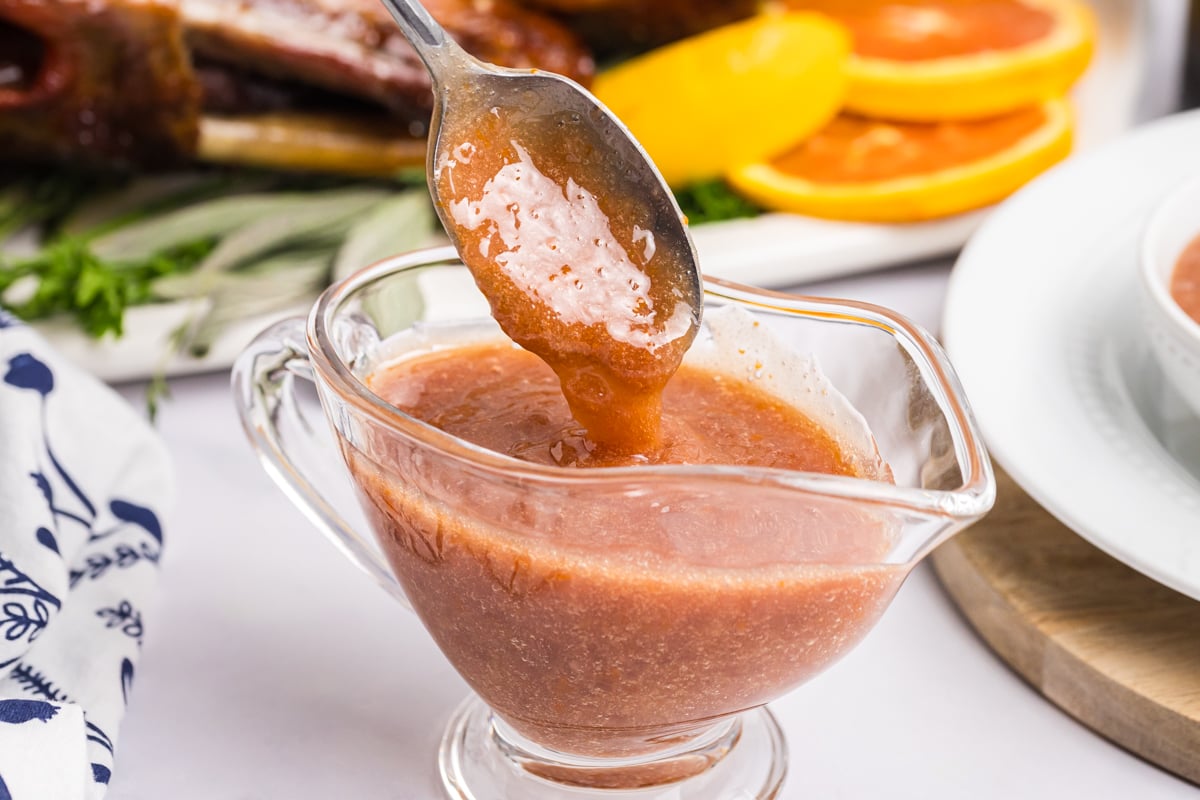
One of the things I love about this sauce is that is can be made days ahead and is served cold straight from the fridge to the table.
- Make ahead: This sauce tastes best made at least a day ahead. The flavors settle as it rests.
- Fridge: Store it in an airtight container for 5 to 7 days.
- Serving: Serve it cold or at room temperature, the classic way. Or warm it gently in a small pot over low heat, stirring often. Whisk in a splash of stock if it’s too thick.
- Freezing: This sauce doesn’t freeze well. Cornstarch-thickened sauces can turn spongy or watery once they thaw. Since it keeps up to a week in the fridge, there’s no need to freeze it.
Commonly Asked Questions
Cumberland sauce is a sweet and tangy fruit sauce made with red currant, port wine and orange. It’s served with rich meats like goose, ham, duck and venison. Think of it as a grown-up cousin of cranberry sauce.
It’s sweet, tart and a little boozy, with bright orange flavor. This version adds savory depth from beef stock and a peppery bite at the end.
Traditionally it’s served cold, often with cold meats. You can also warm it gently and serve it with a hot roast. Both are correct.
Yes. Jelly works the same way. The sauce gets strained anyway, so you won’t notice a difference in texture.
You can use a fruity red wine instead. The sauce will be less sweet and less rich. For an alcohol-free version, use grape or pomegranate juice. It will taste good, but it won’t taste like true Cumberland sauce, because port is what defines it.
Nobody knows for sure. One popular story ties it to a Duke of Cumberland and the royal house of Hanover, Germany. Food historians have found earlier English recipes, so its roots are mostly British.
Both are tart fruit sauces for rich meats. Cranberry sauce is all about the berry. Cumberland sauce is built on port, citrus and currant, so it’s more complex and less sweet. Cranberry sauce can be used interchangeably, you can try my Cranberry Orange Relish or Cranberry Syrup. Both can be served warm or chilled.
Goose, duck, ham, venison, lamb and pork. Anything rich or gamey works, because the tang cuts the fat.
More Traditional Sauce Recipes
Knowing the traditional sauces gives you a good base for others.
Cumberland Sauce Recipe
Equipment
Ingredients
- 1 1/2 cups low-sodium beef stock
- 1 cup port wine
- 3/4 cup red wine vinegar
- 3/4 cups fresh orange juice
- 3 shallots , peeled and finely minced
- 3 tablespoons red currant jam
- 1 tablespoon freshly ground black pepper
- 2 teaspoons fresh orange zest
- 2 tablespoons cornstarch
- 1 teaspoon coarse kosher salt
Instructions
- In a medium saucepan, stir together the 1 1/2 cups low-sodium beef stock, 1 cup port wine, 3/4 cup red wine vinegar, 3/4 cups fresh orange juice, peeled and minced 3 shallots, 3 tablespoons red currant jam, 1 tablespoon freshly ground black pepper, and 2 teaspoons fresh orange zest Bring to a low simmer.
- Simmer until the sauce is reduced by 2/3, about 25 minutes.
- Strain the sauce through a fine mesh sieve and return to the saucepan over low heat. Whisk 1/4 cup cold water with the 2 tablespoons cornstarch until smooth and then slowly whisk into saucepan. Stir in the 1 teaspoon coarse kosher salt.
- Transfer to a storage container and refrigerate until chilled. The sauce will be served cold or at room temperature with hot goose.
- If you've tried this recipe, come back and let us know how it was in the comments or star ratings.
Notes
Nutrition










is the cumberland sauce part of the basting sauce or is that served at the end
Either or both!
How long would this last for ?
Up to 5-7 days in the fridge.
So red currant jelly works??? Redcurrant jam difficult to find here.
Yep- that will work! I think currant anything is hard to find. LOL. But SOOOO good!
Your recipe directions are erroneous. According to them you never use the red currant jelly.
Hi Jeremiah, a mistake is probably a more accurate description. Either way, thank you for pointing that out and the directions have been updated. We are all only human 🙂