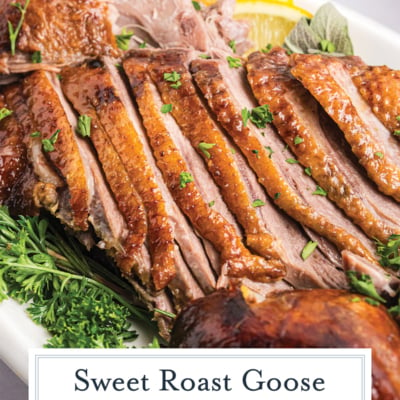
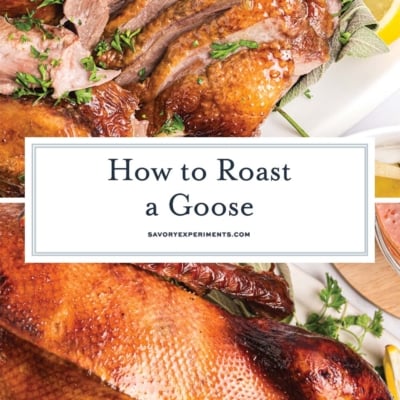
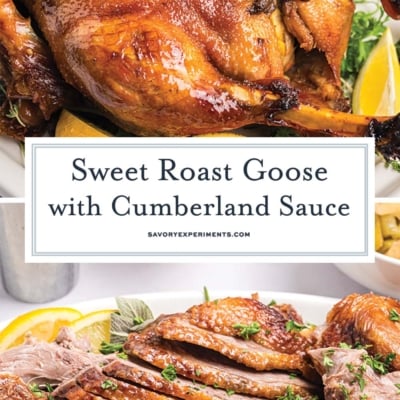
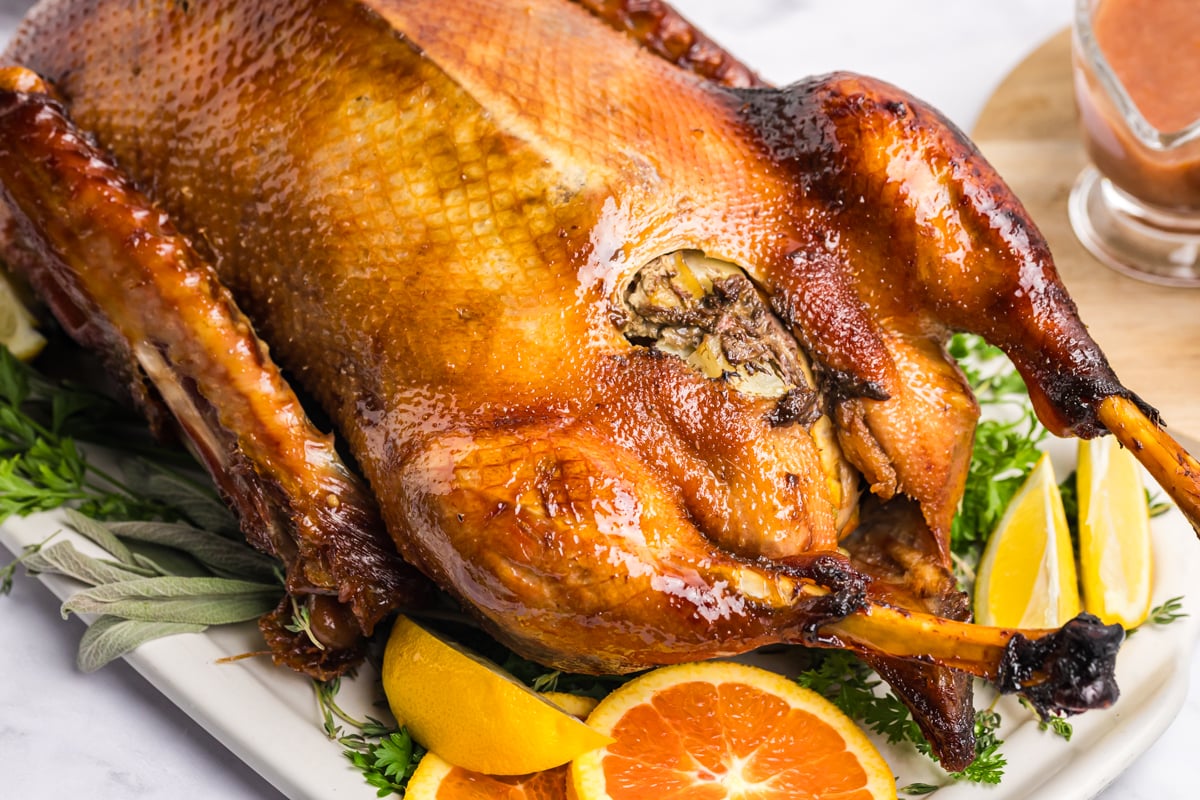
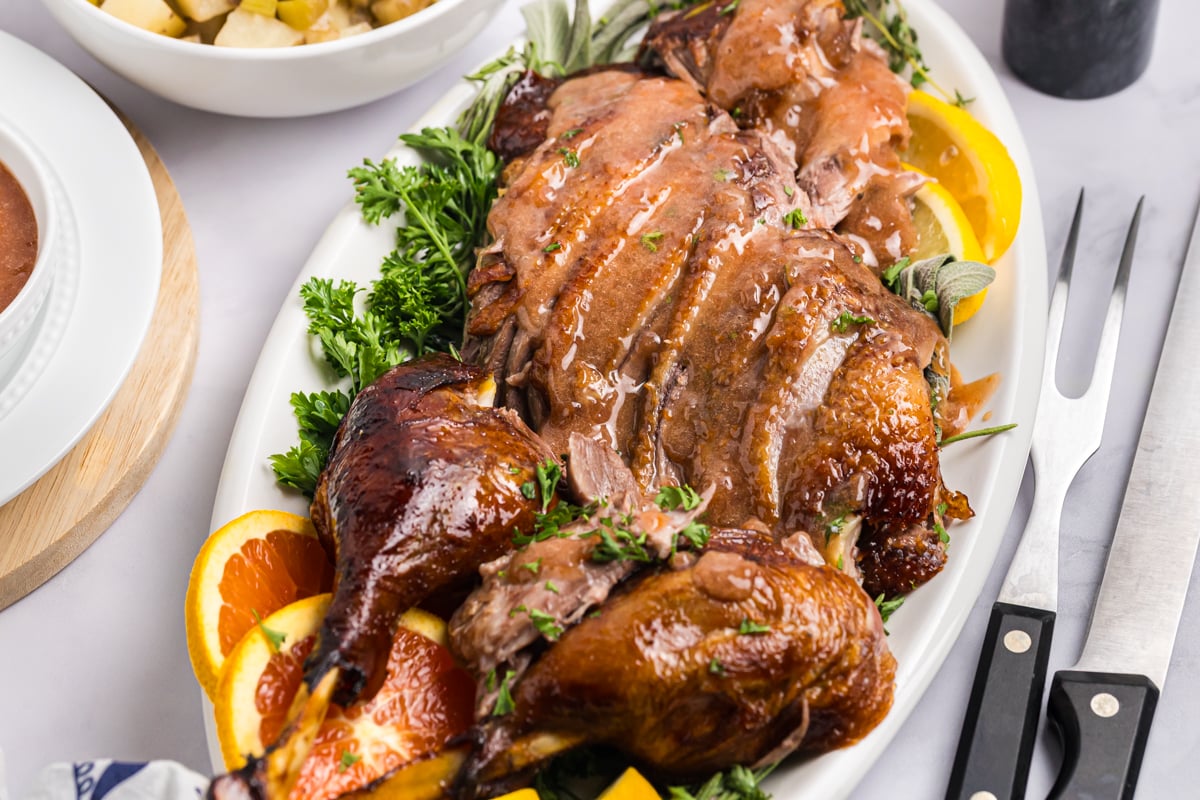
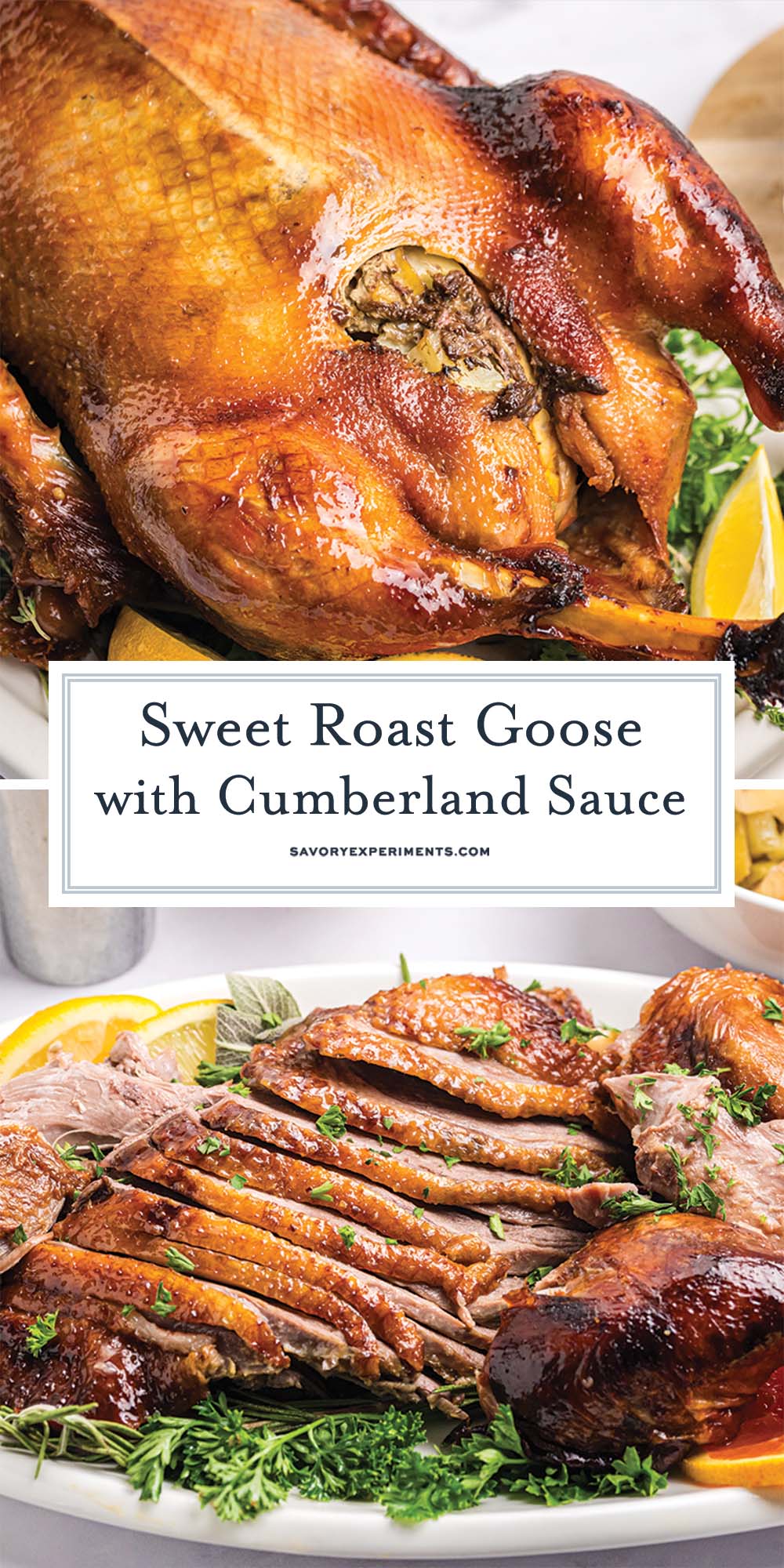
Sweet roast goose is a whole goose brined in salt water, basted with a brandy butter glaze and roasted until the skin turns deep amber. It’s served with a tangy Cumberland-style sauce made with fresh orange, red currant jam and Madeira. Goose is all dark meat, so it tastes rich and beefy, more like duck than turkey.
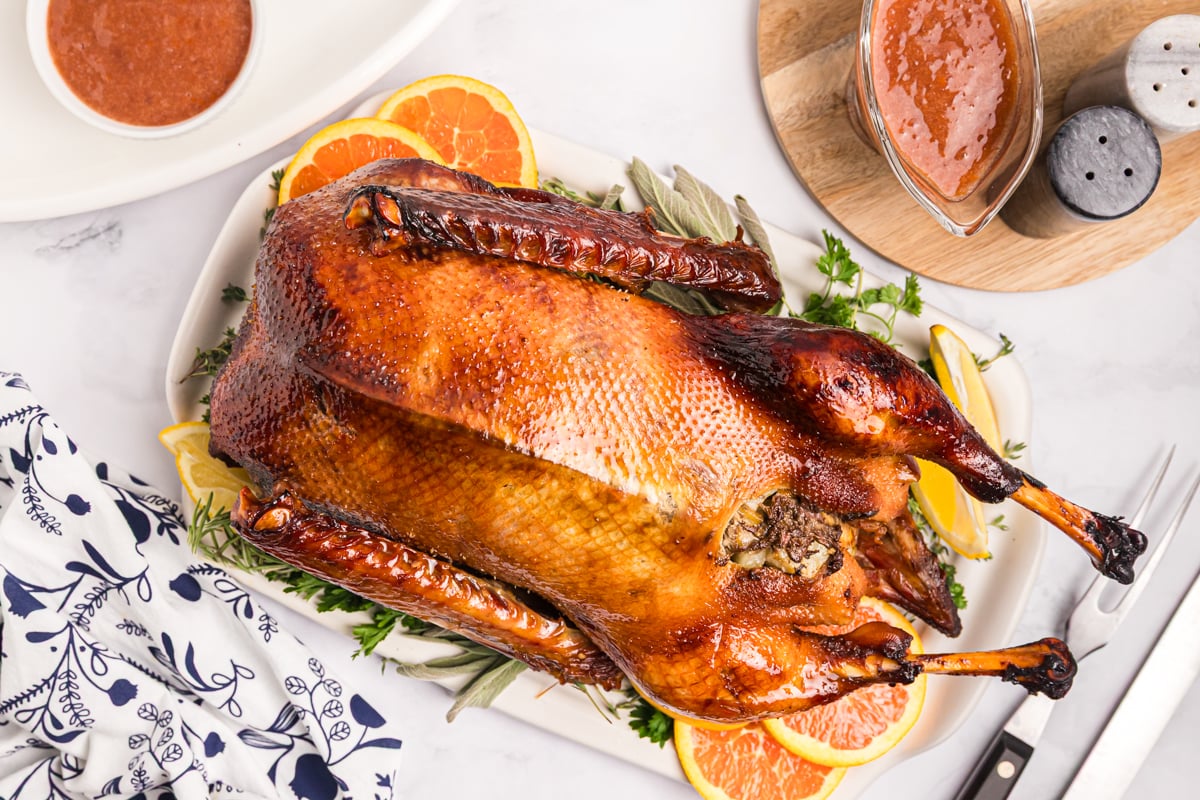
Many goose recipes use only salt and pepper. This one seasons the meat to the bone with a 12 to 24 hour brine, then glazes the bird every 30 minutes so the skin turns glossy and sweet. The bright orange sauce cuts right through all that richness, so every bite tastes balanced, not heavy.
The first time I cooked goose was during a massive snow storm. Our grocery store was out of so many staples, but it did have frozen geese, go figure. I figured I’d try my hand at it knowing I had days of time of my hands. This recipe for roast goose is what has since evolved.
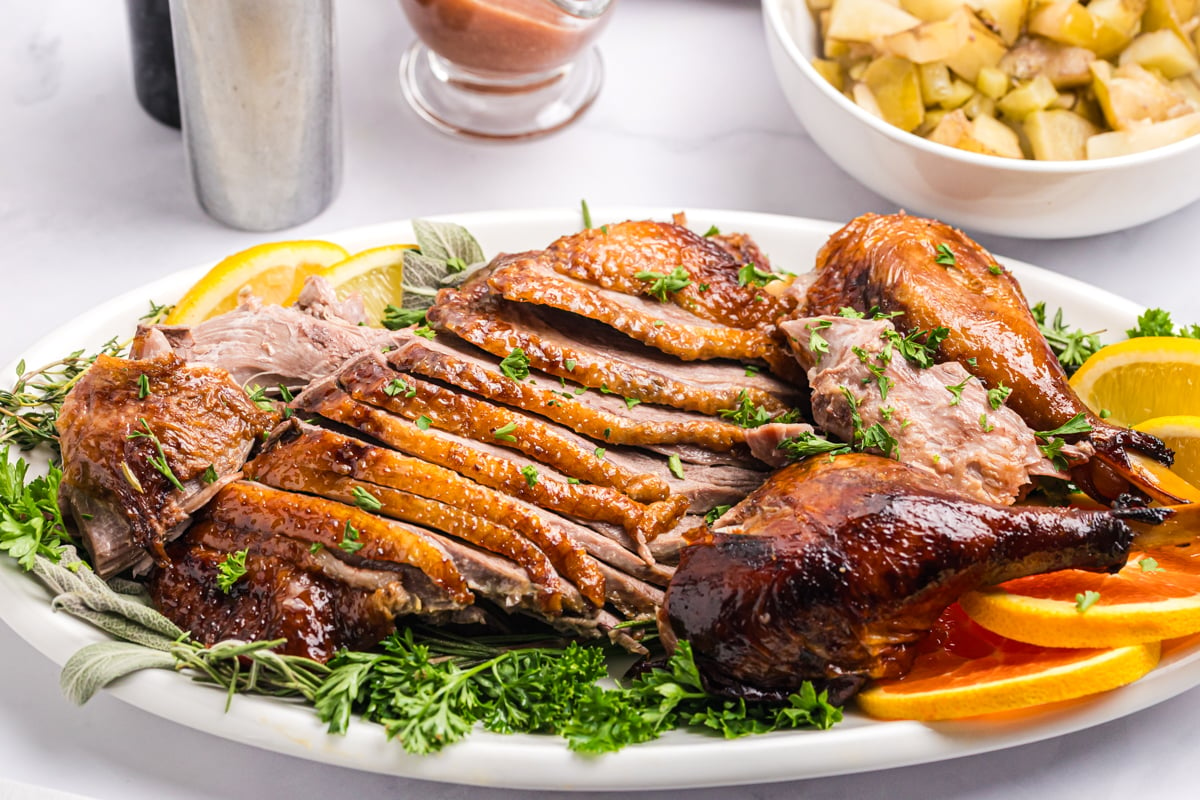
What Makes This Goose Recipe Different
- It’s brined first. Most recipes only season the skin. A 12 to 24 hour salt brine seasons the meat all the way to the bone and helps it stay juicy.
- It gets a sweet brandy glaze. Light corn syrup, butter, brown sugar and brandy coat the bird every 30 minutes. The skin turns lacquered and glossy, not plain brown. Almost like a candy coating.
- The cavity is full of fruit. Apple, orange, lemon, potato and celery perfume the meat from the inside out.
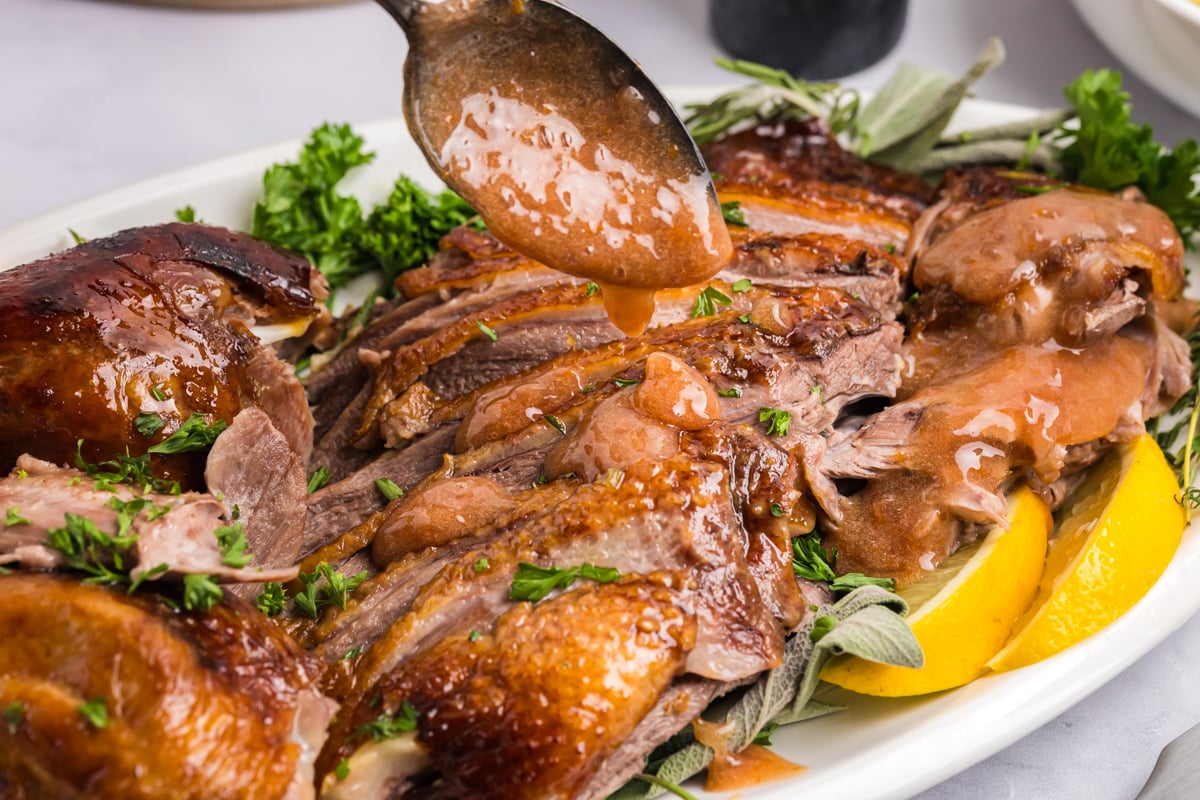
- It comes with its own sauce. A tangy Cumberland-style sauce with orange, red currant and Madeira balances the rich meat.
- It’s chef-tested for a pricey bird. Every step is built so you don’t waste an expensive goose.
Ingredients for Sweet Roast Goose
A goose doesn’t need much to taste amazing. It needs the right few things, each with a job: salt to season, fruit to perfume, sugar to glaze and acid to cut the fat. For a full list of ingredients, see the printable recipe card below.
For the Brine and Cavity
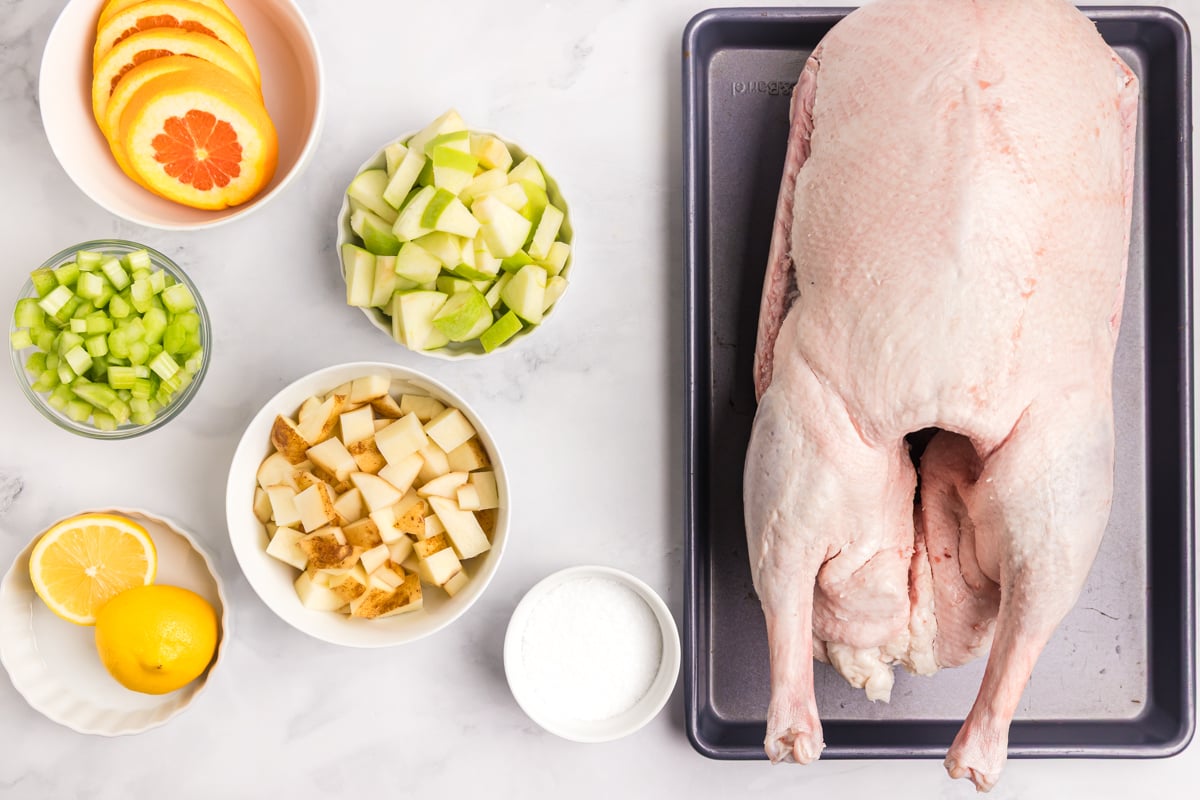
- Whole goose (8 to 10 lb): Goose is all dark meat. It’s rich and beefy, with a thick fat layer under the skin. Most stores sell it frozen, so plan ahead.
- Coarse kosher salt: This is the brine. Salt soaks into the meat, seasons it deeply and helps it hold onto its juices while it roasts.
- Lemon: Rubbed inside the cavity, it adds brightness that balances the fat.
- Apple, orange and celery: These are aromatics, ingredients used for scent and flavor. They steam inside the bird and flavor it from within. They aren’t meant to be a side dish.
- Small potato: It helps fill the cavity so the fruit stays put.
Where to Buy a Goose and How to Thaw It
Many grocery stores only stock goose around the holidays, and it’s almost always frozen. Check the frozen poultry case in late November, call your butcher, or look for a local farm that raises geese. You can also order it online from D’Artagnan.
Thaw it in the fridge, never on the counter. Plan on about 24 hours for every 4 to 5 lb. An 8 to 10 lb goose needs about 2 days, and the brine needs another day after that. Count back from dinner and start early.
For the Basting Syrup
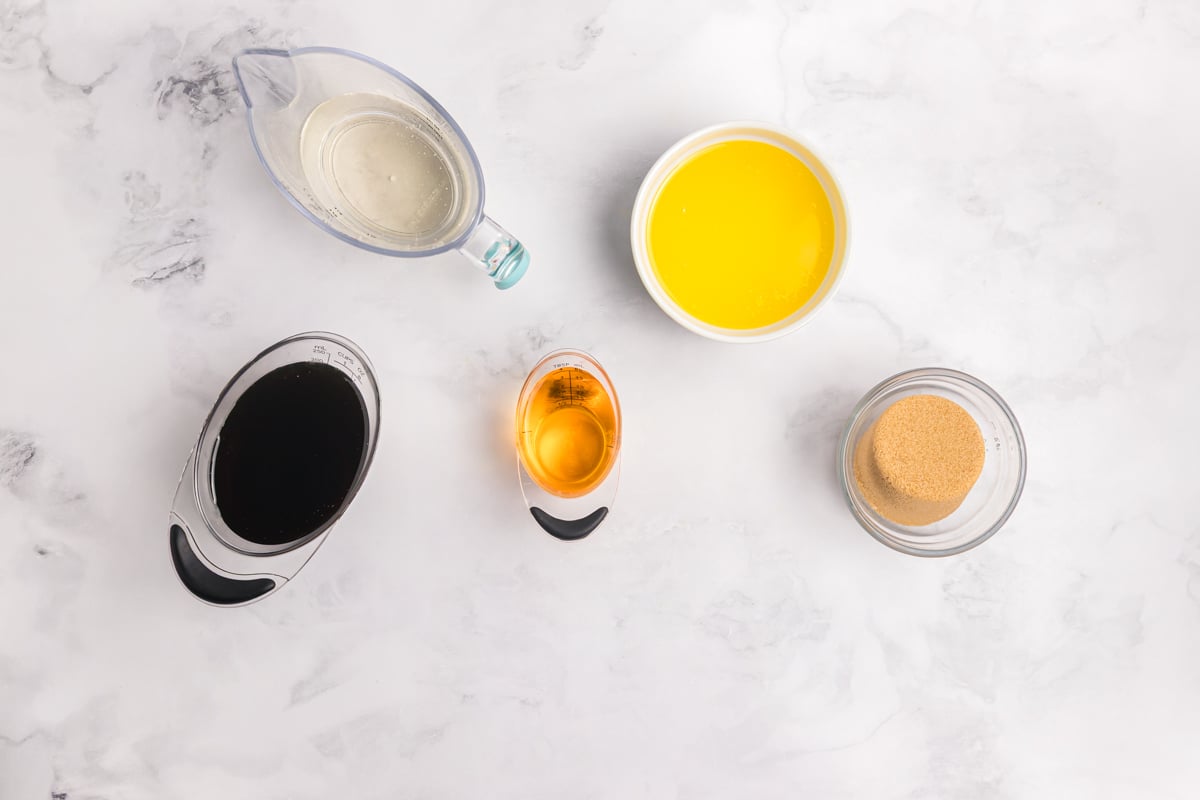
- Corn syrup: It makes the glaze shiny and sticky. It also won’t crystallize (turn grainy), so the glaze stays smooth.
- Cane syrup: It has a deeper, toasty sweetness than corn syrup. Look near the honey and agave. If you can’t get your hands on any, use more corn syrup.
- Butter: It adds richness, helps the skin brown and carries the flavor of the glaze. Butter is always welcome here.
- Light brown sugar: The molasses in it adds caramel notes as the glaze cooks.
- Brandy: It adds warmth and keeps the glaze from tasting flat and sugary. Swap: apple cider, if you’d rather skip alcohol.
For the Cumberland Sauce
See the cumberland sauce recipe.
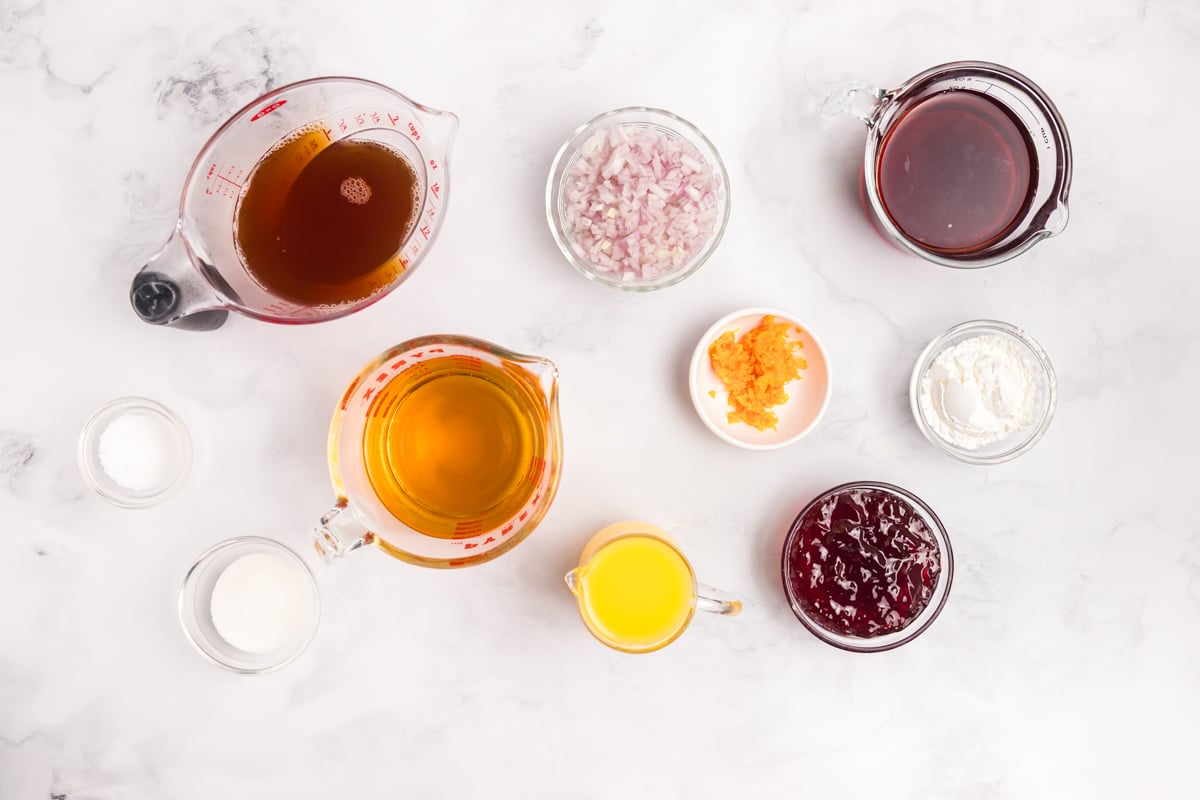
- Low-sodium beef broth: This is the savory backbone. Low-sodium matters because the sauce cooks down a lot, and saltier broth would get too salty. Swap: chicken or goose stock.
- Madeira or sherry: These fortified wines add a nutty, raisin-like sweetness. Swap: ruby port, the classic Cumberland choice.
- Red wine vinegar: Acid cuts through goose fat. It keeps each bite tasting fresh.
- Fresh orange juice: Squeeze it yourself. Bottled juice tastes flat and cooked, and with this much juice you’ll notice. About 2 large oranges does it.
- Shallots: They’re milder and sweeter than onions, and they melt into the sauce.
- Red currant jam: It brings tart, jewel-bright fruit, the heart of Cumberland sauce. Swaps: red currant jelly, lingonberry jam or seedless cranberry sauce.
- Salt and sugar: A pinch of each balances the vinegar and the jam.
- Orange zest: The zest holds the orange’s oils, so it tastes more orange than juice alone.
- Cornstarch: It thickens the sauce and makes it glossy.
How to Make Roast Goose
Skill level: Moderate. None of these steps is hard. It just takes time and a good thermometer.
- Brine the goose. Dissolve the salt in warm water, then let it cool all the way before the goose goes in. A warm brine can start to cook the skin and raise food safety risk. No room in the fridge? Use a brining bag in a cooler with ice, kept below 40°F. (More detail on how brining works: How to Brine a Turkey.)
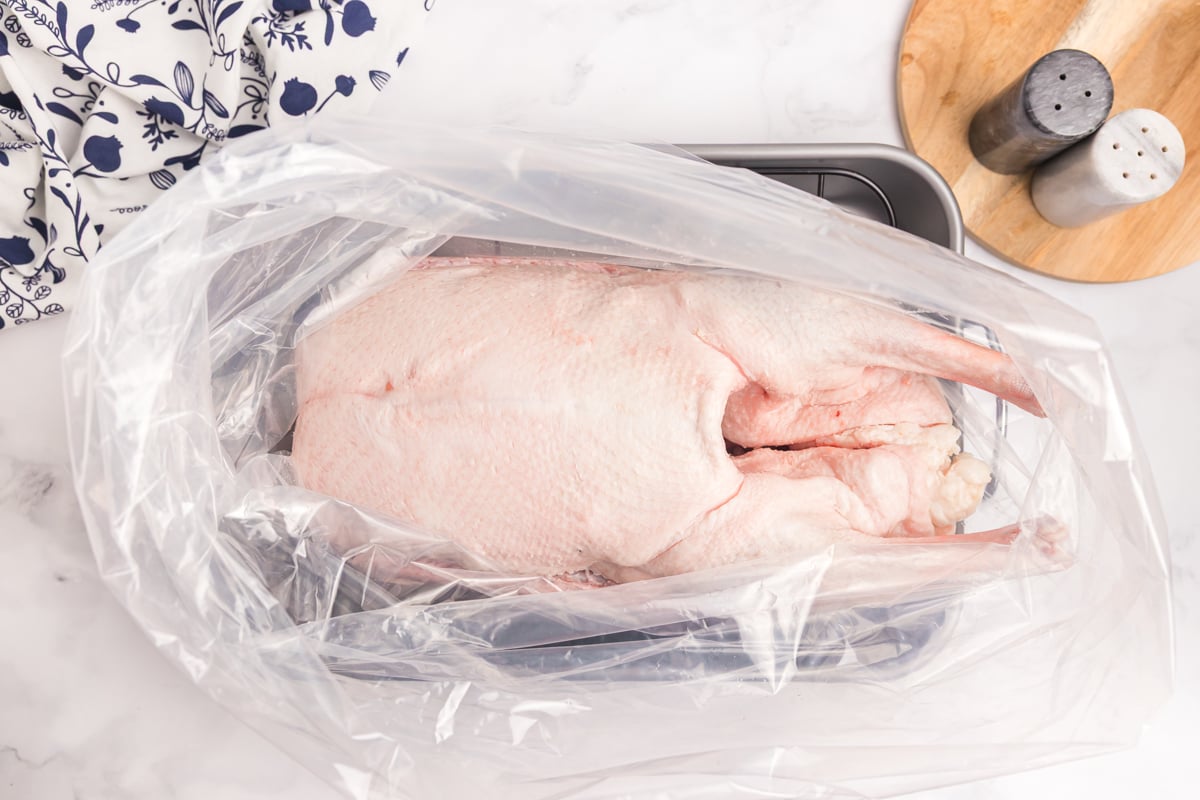
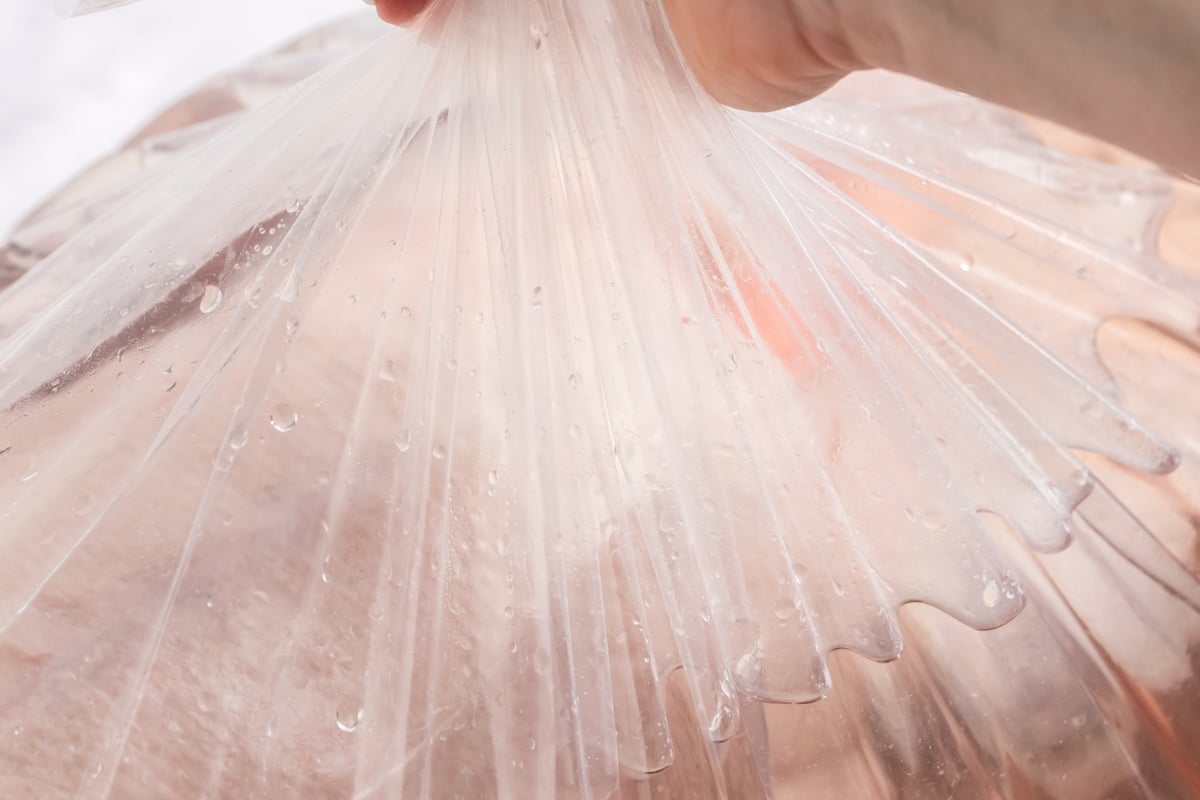
- Rinse, dry, trim and prick. Rinse off the brine and pat the bird very dry. Wet skin steams instead of browning. Cut off loose skin flaps and fat pockets near the cavity, and save them to render. Then prick the skin all over with a fork, at an angle. You want to poke the skin, not the meat, so the fat has a way out.
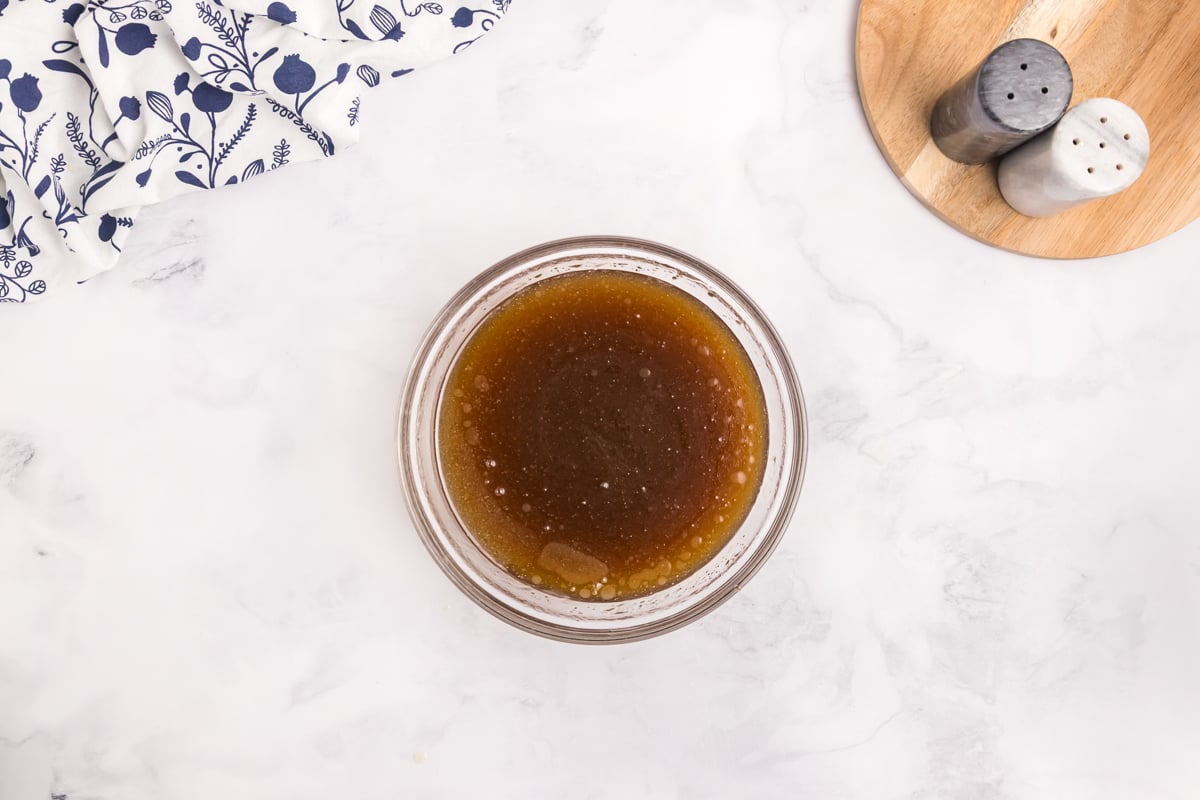
- Whisk the basting syrup. Whisk the syrups, melted butter, brown sugar and brandy until smooth. Keep it somewhere warm so it stays easy to brush.
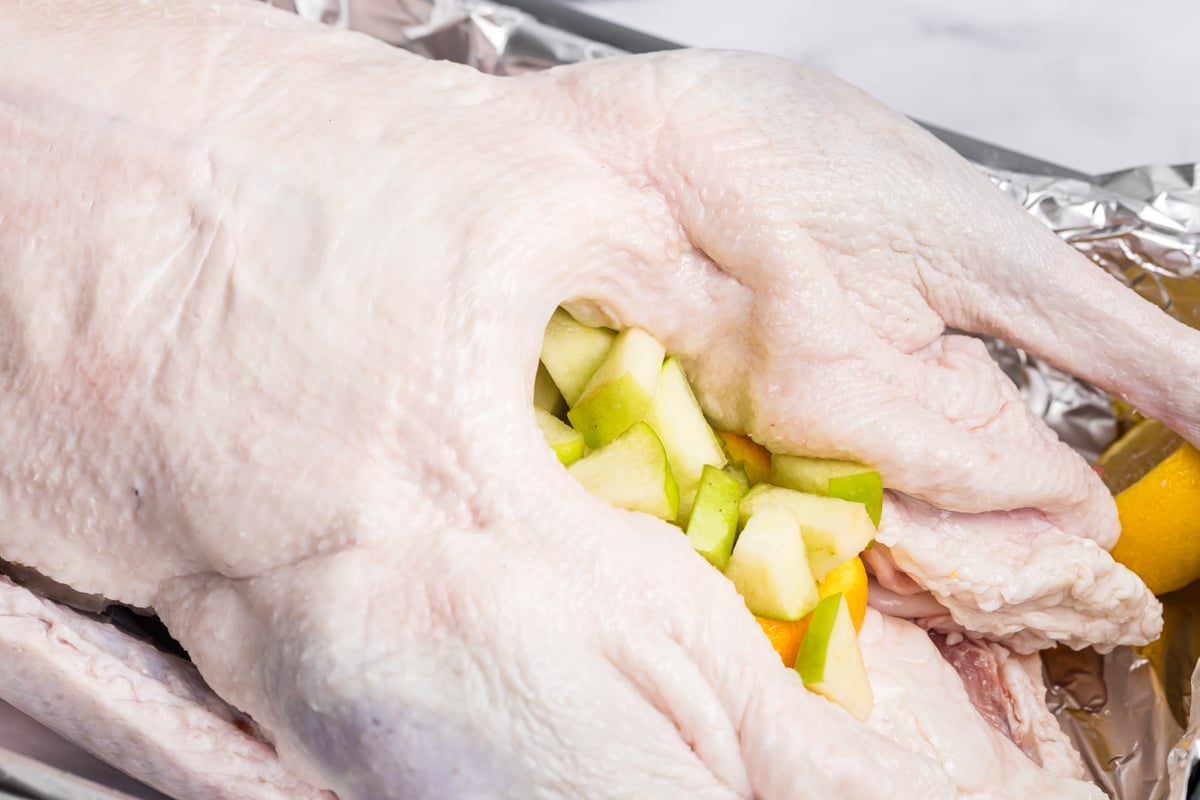
- Fill the goose. Rub the cavity with lemon, then pack in the apple, potato, orange and celery.
- Truss goose. Tie the legs together with kitchen twine. Trussing keeps the bird compact so it cooks evenly. Here are step by step instructions on how to truss.
And if you need, it a video of how to truss.
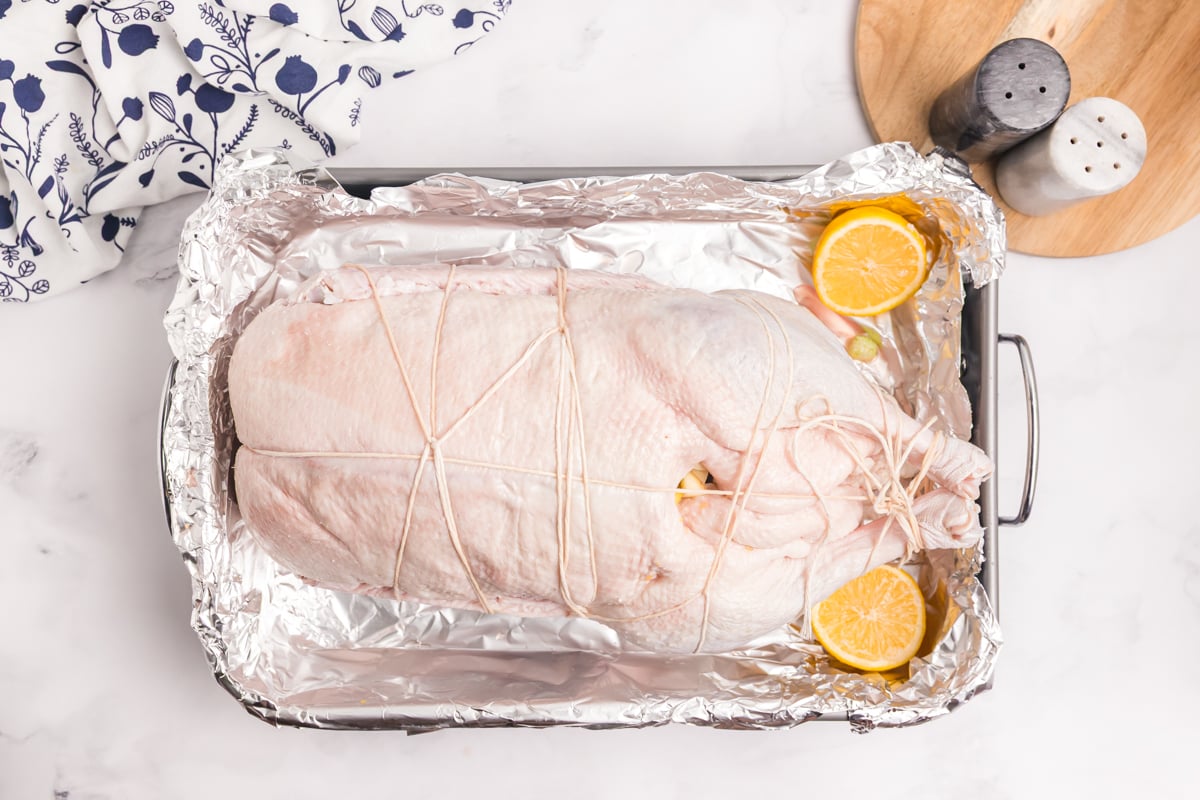
- Start breast side down and glaze. Line the roasting pan with aluminum foil for easy clean up. Set the goose breast side down in the pan and brush it generously. Starting upside down lets fat from the back drip over the breast and protects the leanest meat early on.
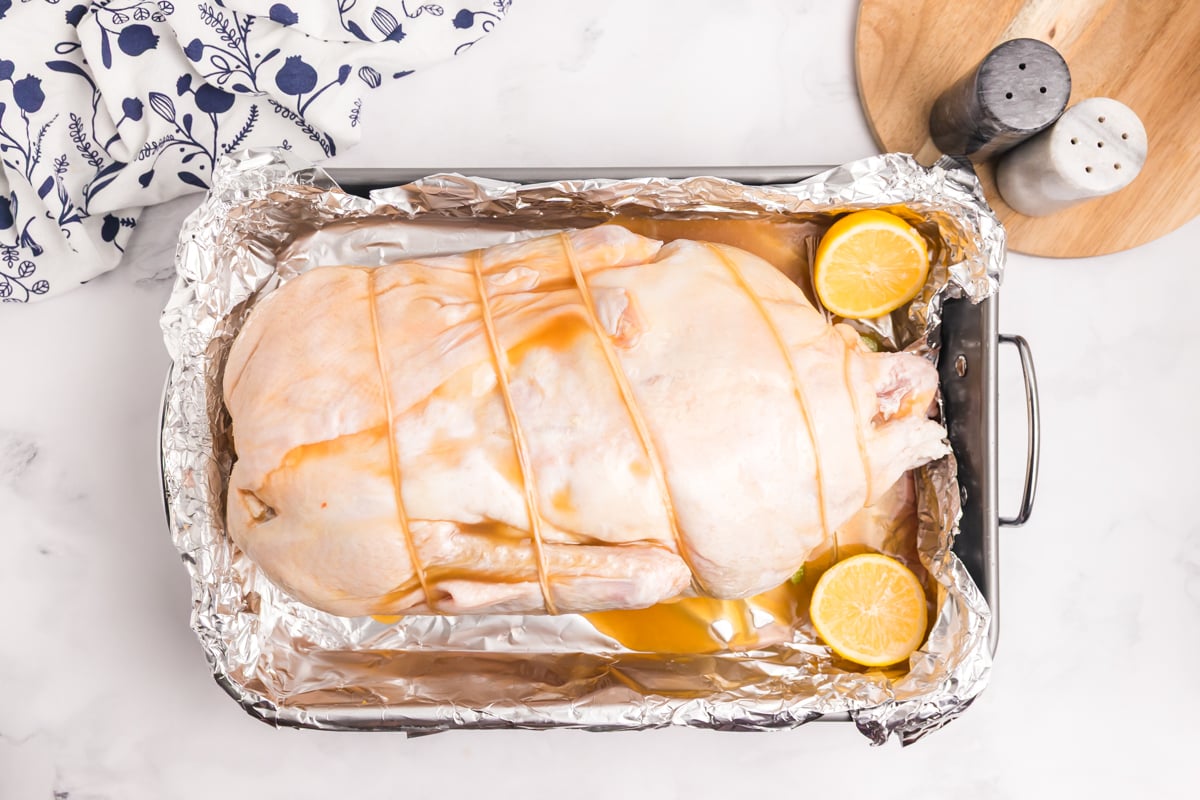
- Roast, flip and keep basting. Turn the oven down and baste every 30 minutes. Flip the goose breast side up halfway through. If the glaze darkens too fast, cover the bird loosely with foil, because sugar can go from amber to burnt quickly. Pour off or use a baster and remove rendered fat into a heatproof jar each time you flip or baste. Fat that pools in the pan can smoke and/or burn.
- Trust the thermometer. The goose is done when the thickest part of the thigh reads 165°F. Ovens and geese vary, so the clock is only a guess.
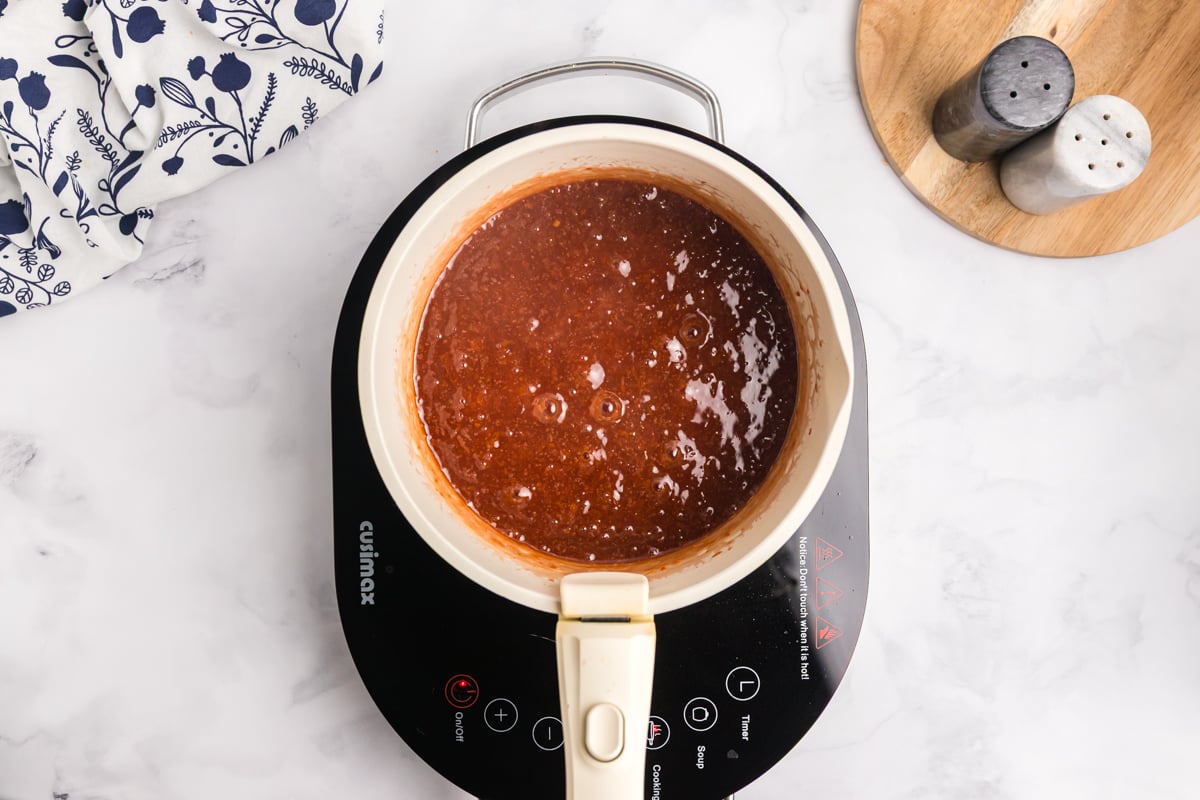
- Make the Cumberland sauce. While the goose roasts, simmer the sauce until it cooks down by about two-thirds. Then thicken it with cornstarch. Whisk hard when the cornstarch goes in so it doesn’t clump. For in depth instructions see how to make cumberland sauce.
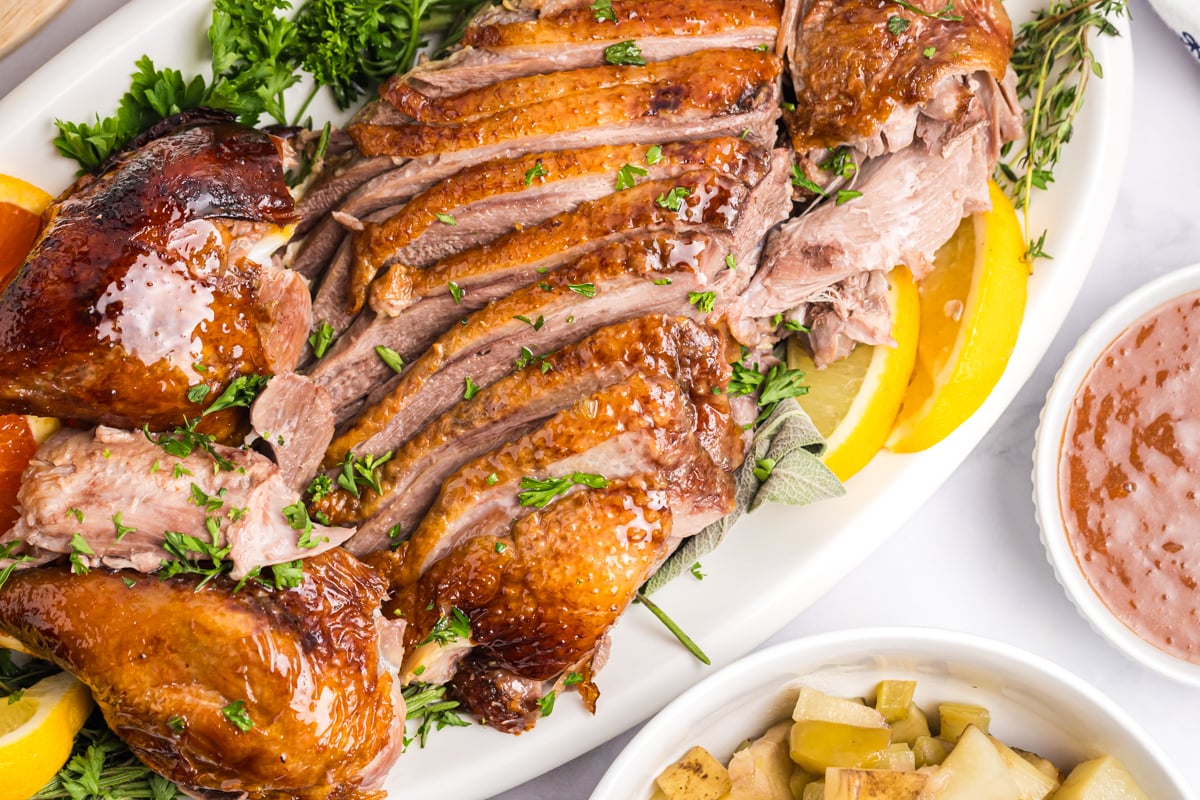
- Rest, then carve. Let the goose rest 20 minutes so the juices settle back into the meat. Carve, drizzle with warm sauce and pass extra at the table.
How Long To Roast Goose
There seems to be a wide range of roasting time, so make sure to rely on thermometer and temperature, not the time. This is a guideline, but the size and oven temperature will vary from goose to goose.
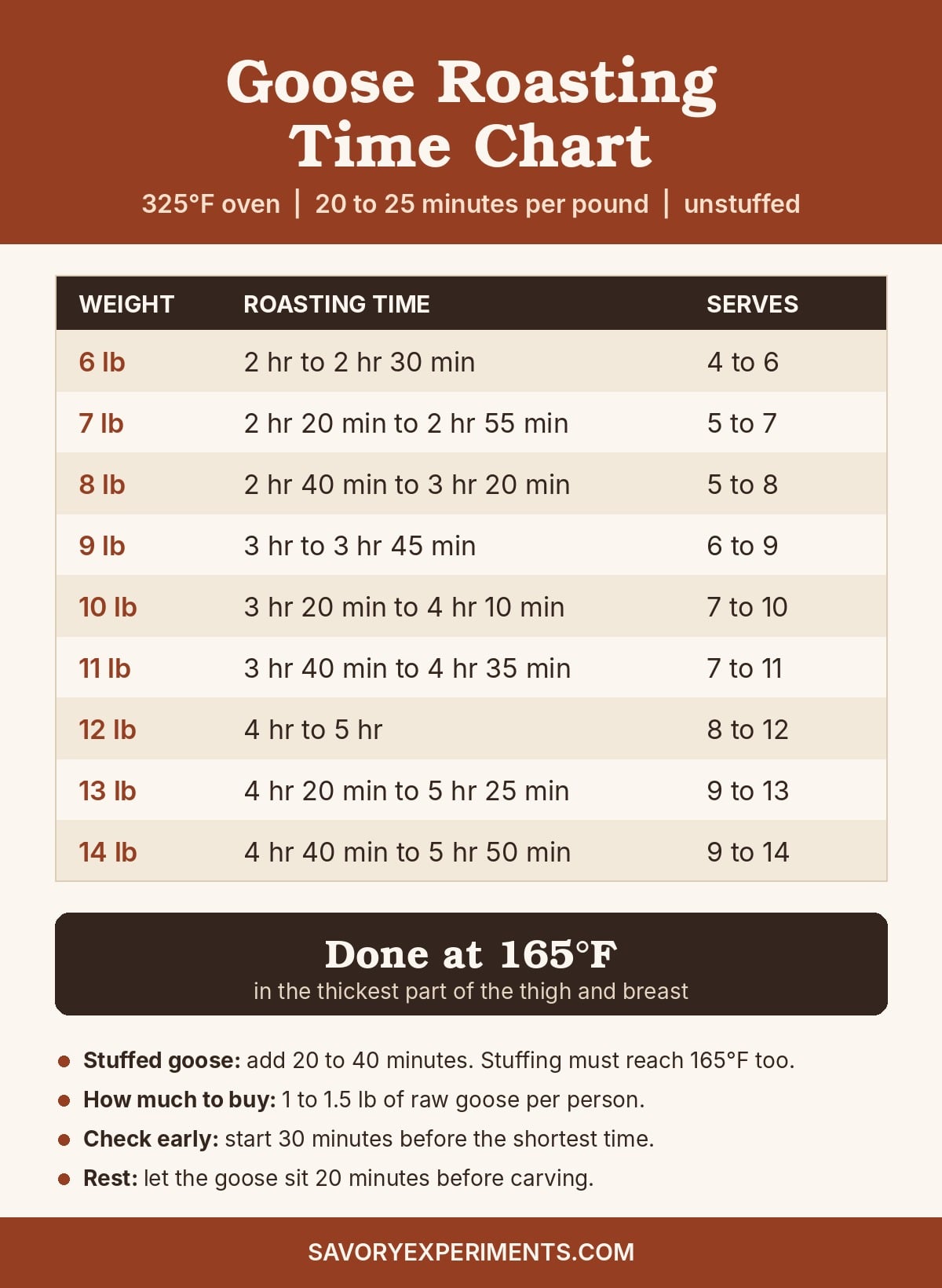
- Stuffed goose: Add 20 to 40 minutes. Any stuffing inside the bird must also reach 165°F.
- How much to buy: Plan on 1 to 1.5 lb of raw goose per person. A goose has a big frame and less meat than you’d expect. If your folks eat a lot, plan for 2 lbs (raw with bones) per person.
- Check early: Start checking about 30 minutes before the shortest time. Many popular recipes finish sooner than the USDA times.
- Resting: Add 20 minutes for the goose to rest before carving. Resting is important for texture and juiciness.
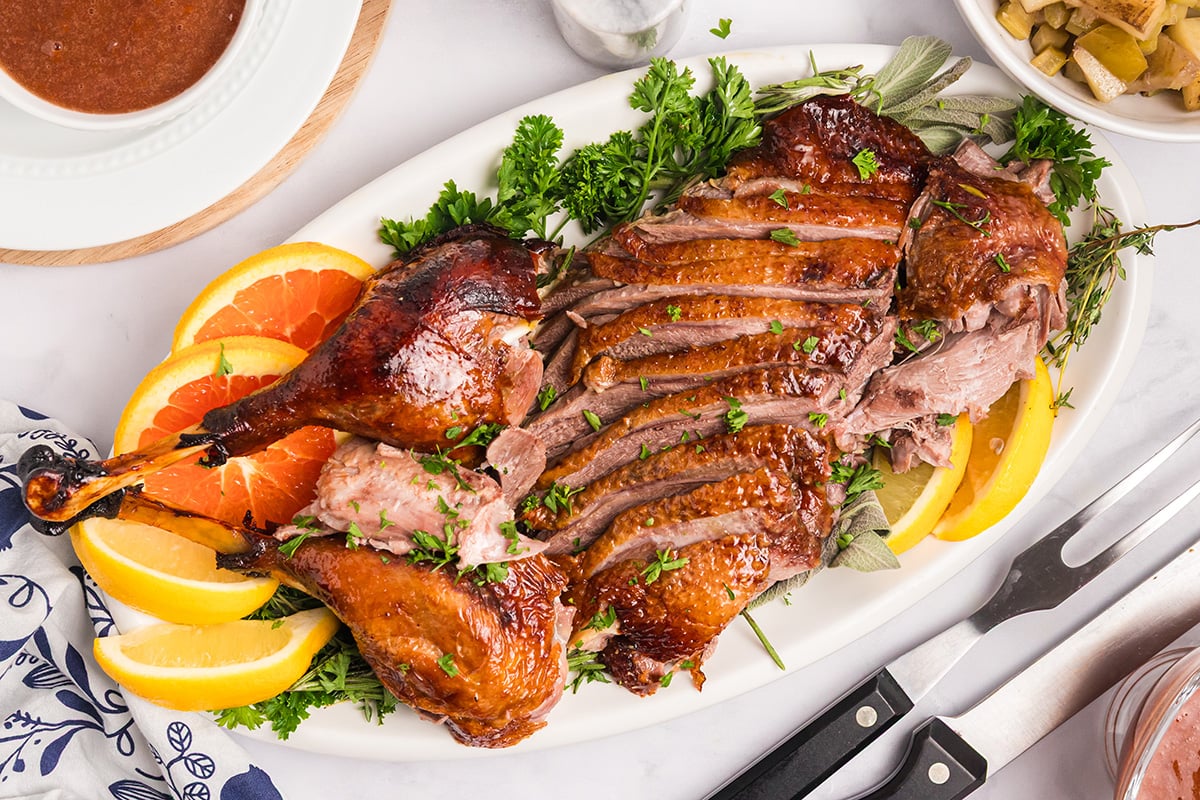
How to Carve a Goose
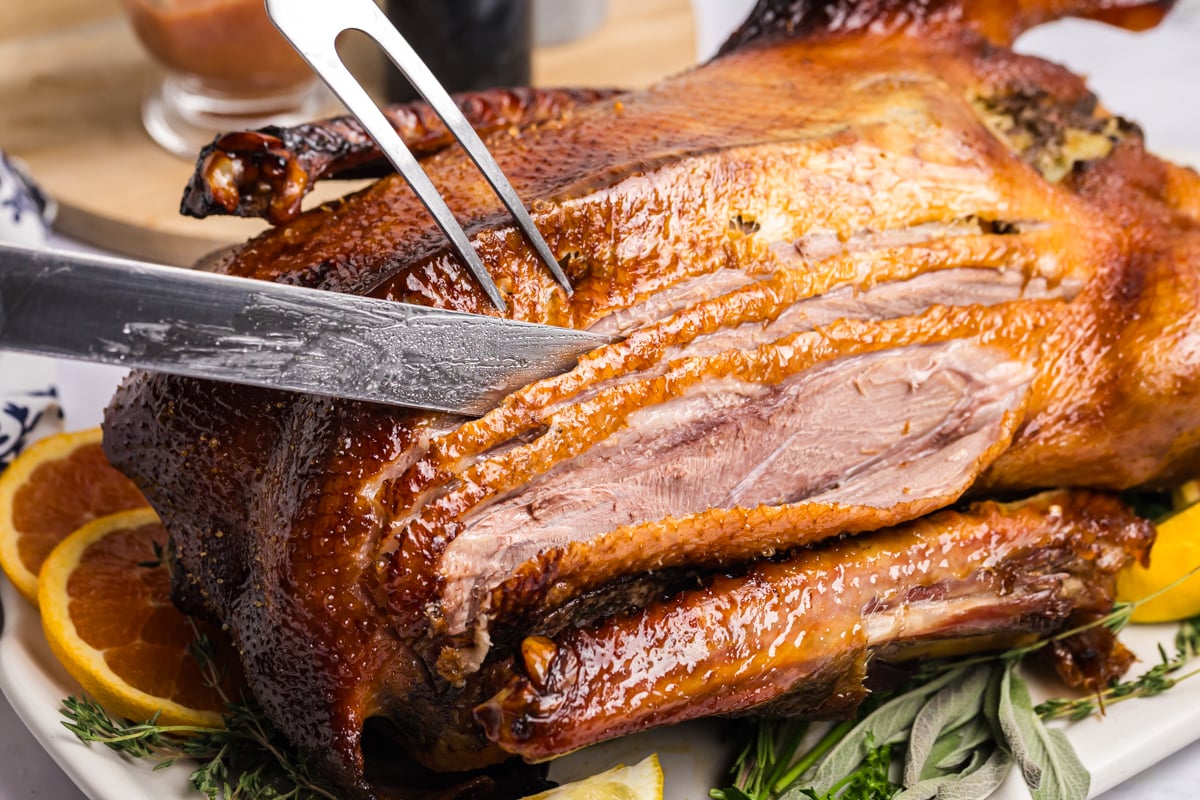
Goose bones sit differently than turkey bones, so go slow.
- Cut the legs off at the joint first, then split each into thigh and drumstick.
- Run your knife along the breastbone and slice each breast off in one piece.
- Then cut it across into thin slices.
There’s less meat than you’d expect, so carve carefully and save the carcass for stock.
How to Save Goose Fat
A goose gives you a lot of fat, and every bit is worth saving. Pour it off into a heatproof jar while the bird roasts. You can also melt down the trimmed fat pockets in a small pot over low heat.
Strain out any bits and let it cool. Seal the jar and keep it in the fridge. Use it for the crispiest roast potatoes of your life.
Chef Jessica’s Tips
- Buy early. Most stores only carry frozen goose around the holidays, and they sell out. Call your butcher or grocery store a week or two ahead.
- Thaw it in the fridge. Allow about 24 hours for every 4 to 5 lb. An 8 to 10 lb goose needs about 2 days before you even start the brine.
- Dry skin browns better. If you have time, let the goose sit uncovered in the fridge for a few hours after brining. A drier surface takes the glaze better.
- Save every drop of fat. Goose fat is liquid gold for roast potatoes. Strain it into a jar and keep it in the fridge.
- Don’t skip the thermometer. A goose is too expensive to guess on. Check the thickest part of the thigh, and don’t let the probe touch bone.
- Use the giblets (if you have the time). Simmer the neck and giblets into a quick stock. Use it in the sauce in place of some of the beef broth.
- Rest it uncovered. A tight foil tent traps steam and softens the glaze. Lay foil over it loosely, or leave it open.
What to Serve with Roast Goose
Goose is rich, so the best sides bring starch to soak up the sauce and something tart or green to cut the fat. A fruit-and-nut stuffing baked in its own dish is a classic. Try my Chestnut Dressing with apples and raisins. Mashed or roasted potatoes are a must, and even better roasted in that saved goose fat.
For vegetables, reach for something with tang. Braised Cabbage with Parmesan Breadcrumbs brings Dijon and cider vinegar, a nod to the German red cabbage that often sits beside goose. Garlic Butter Brussels Sprouts add a green, slightly bitter bite.
For the holiday table, add Creamed Onions or Glazed Pearl Onions. A bowl of Cranberry Orange Relish echoes the orange in the sauce. Want more of the sauce? Link to the standalone Cumberland Sauce.
Variations
After you’ve mastered the basics, roasting goose is grand and simple. Here are a few fun flavor variations.
- Honey orange glaze: Use 3/4 cup honey in place of the cane syrup. Add the zest of 1 orange to the basting syrup.
- Maple bourbon goose: Use 3/4 cup pure maple syrup in place of the cane syrup and 4 tablespoons bourbon in place of the brandy.
- Port Cumberland sauce: Use 1 cup ruby port in place of the Madeira. This is closer to the classic sauce.
- Warm spice glaze: Whisk 1/2 teaspoon ground cinnamon and 1/4 teaspoon ground cloves into the basting syrup.
- Duck instead: This glaze and sauce also suit a whole duck. Time and temperature will change, so cook by thermometer. Or try my Crispy Duck a L’Orange.
- Wild goose: A wild goose is smaller and much leaner. A long roast can dry it out, so this recipe is written for a store-bought goose.
Make-Ahead, Storage and Freezing
Make ahead: The goose can brine up to 24 hours ahead. The Cumberland sauce keeps in the fridge for 3 to 4 days. Rewarm it gently and add a splash of broth if it gets too thick.
Fridge: Take out the cavity fruit and pull the meat off the bone. Store it airtight for 3 to 4 days.
Freezer: Freeze sliced goose for up to 3 months. A spoonful of sauce or fat on top helps stop freezer burn. Thaw overnight in the fridge.
Reheating: Cover with foil and warm at 325°F with a splash of broth until it reaches 165°F. Uncover for the last few minutes so the skin isn’t soggy. Be honest with yourself here: the glaze won’t be as glossy the second time.
Goose fat: Strained fat keeps for months in a sealed jar in the fridge, and longer in the freezer. It is great for roasting potatoes and vegetables and can be used in any recipe that calls for rendered bacon fat or duck fat. Thank me later.
Frequently Asked Questions
Goose is all dark meat. It tastes rich and deep, almost like a cross between duck and roast beef. It doesn’t taste like turkey.
A goose is much bigger, usually 8 to 14 lb, while a duck is about 5 lb. Both are all dark meat with a thick fat layer. Goose has a deeper, meatier flavor.
The USDA says to cook a whole goose to 165°F. Check the thickest part of the thigh with an instant-read thermometer, away from the bone.
A goose has a big frame and less meat than a turkey of the same weight. An 8 to 10 lb goose feeds fewer people than you’d expect, probably only 4-5 depending on appetite.
Start breast side down so the fat bastes the breast and protects it. Flip it breast side up halfway through to brown the top.
The holes let fat melt out from under the skin. Without them, the fat stays trapped, and the skin turns rubbery instead of browning.
Brining seasons the meat all the way through and helps it stay juicy. That matters with goose, because the dark meat can dry out during a long roast.
You can, but all that goose fat soaks into the bread and makes it greasy and will increase the cooking time dramatically. Bake the stuffing in its own dish instead. Fill the bird with fruit and aromatics and discard them before serving.
Roast potatoes in it. Use it to sauté vegetables or fry eggs, or anywhere you’d use butter or bacon grease. Strain it and keep it in the fridge.
Look in the frozen poultry case around Thanksgiving and Christmas, or ask your butcher to order one. Many local farms sell fresh geese in late fall. You can also order one. I love ordering speciality products from D’Artagnan.
Yes. Swap apple cider for the brandy, and more broth plus a splash of grape juice for the Madeira.
More Recipes You Might Enjoy
Other holiday classic. Serve them alongside goose or try them for another holiday.


Sweet Roast Goose with Cumberland Sauce
Equipment
Ingredients
Goose Brine & Stuffing:
Basting Syrup:
- 3/4 cup light corn syrup
- 3/4 cup cane syrup
- 3/4 cup melted butter
- 1/2 cup light brown sugar
- 4 tablespoons brandy
Cumberland Sauce:
- 1 cup low-sodium beef broth
- 1 cup madeira or sherry
- 3/4 cup red wine vinegar
- 1/2 cup fresh orange juice , about 2 large oranges
- 3 shallots , peeled and finely minced
- 1/4 cup red currant jam
- 1 teaspoon coarse kosher salt
- 1 tablespoon sugar
- zest of one orange
- 2 tablespoons cornstarch
Instructions
Brine:
- In a large stock pot, stir together 16 cups of water with the 1/2 cup coarse kosher salt. Bring to a low boil until the salt has dissolved. REmove from the heat and allow it to cool. Add cold water to cover the 8-10 pound goose, stir in salt and refrigerate overnight (12-24 hours).
- Remove the goose from the brine and rinse quickly with cold water. Using kitchen shears, remove any excess skin flaps or noticeable fat pockets. Pierce the skin liberally with a fork.
Basting Syrup:
- In a medium mixing bowl, whisk together the 3/4 cup light corn syrup , <wprm-ingredient uid=”26″ removed=”0″>3/4 cup cane syrup, 3/4 cup melted butter, 1/2 cup light brown sugar, and 4 tablespoons brandy. Set aside.
Cook the Goose:
- Preheat the oven to 450°F.
- Remove the inner cavity bag from the goose and place the goose into the stock pot. Add enough cold water to cover the goose and refrigerate overnight (12-24 hours).
- Rub the inside cavity with the halved 1 lemon and then stuff with the chopped 1 apple, 1 small potato, 1 orange and 1/4 cup chopped celery. Truss the goose, just like a turkey, to secure the wings to the body and tie legs together to close off the cavity. Place it on a large roasting pan with the breast side down.
- Generously slather both side of the goose with basting syrup using a silicone basting brush.
- Place the goose in the oven. Reduce oven temperature to 325°F. Cook for 20-25 minutes per pound. Midway through cooking, flip the goose over to be breast side up. Baste the goose every half hour with the basting syrup.
- When internal temperature reaches 165° in the thigh degrees in both the thigh.
Cumberland Sauce:
- In a medium saucepan over medium heat, stir together the 1 cup low-sodium beef broth , 1 cup madeira or sherry , 3/4 cup red wine vinegar , 1/2 cup fresh orange juice , minced 3 shallots, 1/4 cup red currant jam , 1 teaspoon coarse kosher salt , 1 tablespoon sugar and zest of one orange .
- Bring to a low simmer over medium-low heat, stirring occasionally until the sauce reduces by about 2/3. Remove from the heat.
- Ladle out about 1/3 cup of the sauce, whisk with the 2 tablespoons cornstarch and then whisk back into the saucepan. The sauce will thicken, become glossy and coat the back of a spoon.
Serving:
- Allow to rest for 20 minutes before carving. The vegetable stuffing can be served with the goose or discarded.
- Carve the goose (just like a turkey) and drizzle with warm Cumberland sauce.
- If you've tried this recipe, come back and let us know how it was in the comments or star ratings.
Video
Notes
Nutrition










I can’t wait to try your version,
In past I used a peach brandy and peach preserve glaze, is it ok to do the stuffing in the goose instead of separate?? I always find stuffing has more flavor in the bird.
Sure! It might need to cook a little longer, just make sure to temp check it with a digital thermometer.
You have convinced me to give roasted goose a try. I will definitely be switching things up a bit over here.
I have always wanted to cook a goose!! With your tips and helpful instructions, I can!! I love that gorgeous skin!