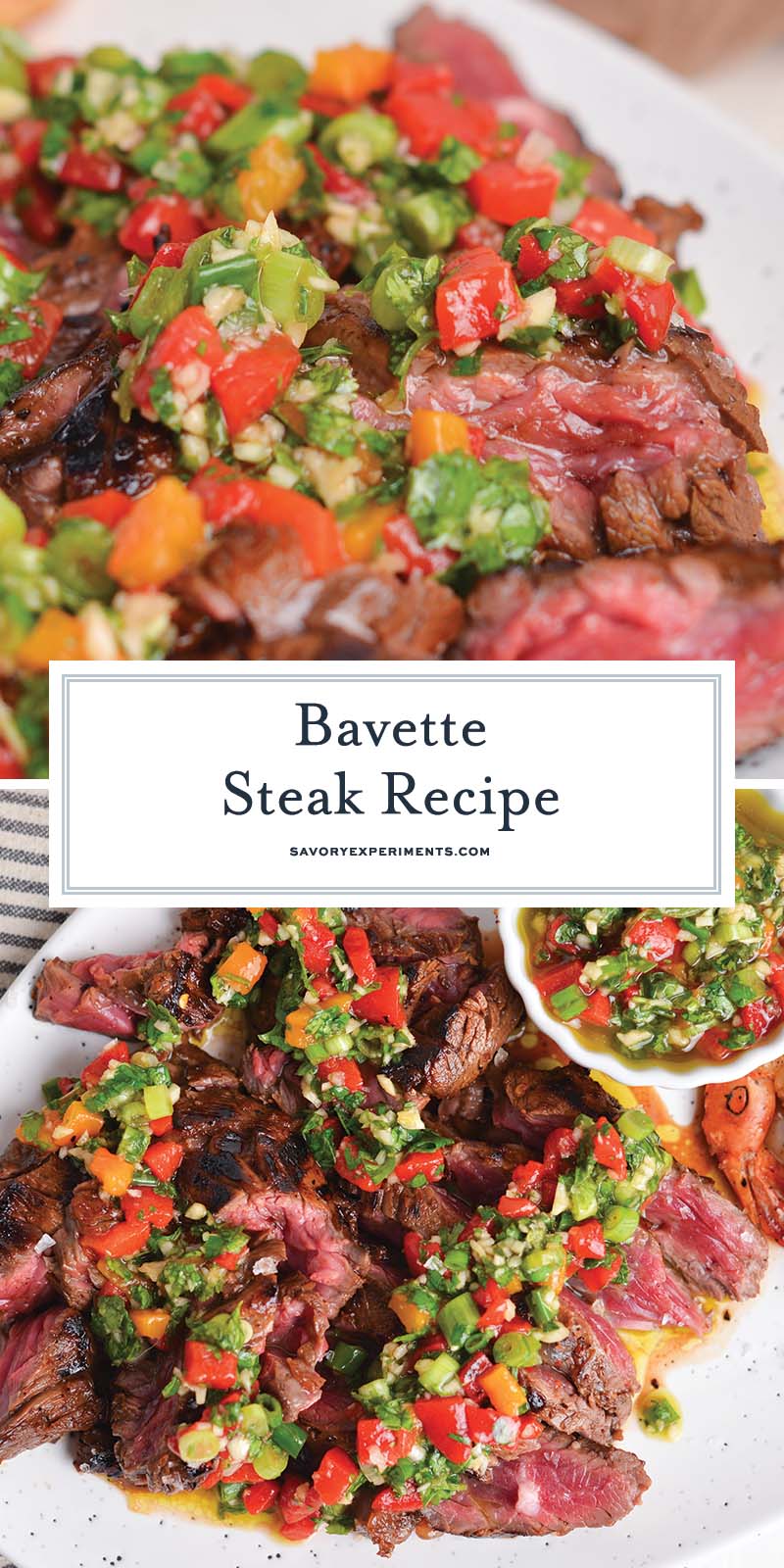
Bavette steak, sometimes called a flap steak, may not be as well known as other cuts, but it deserves a spot in your regular dinner rotation. Rich, beefy, and wonderfully tender when cooked correctly, it’s an excellent choice for a quick, satisfying meal.
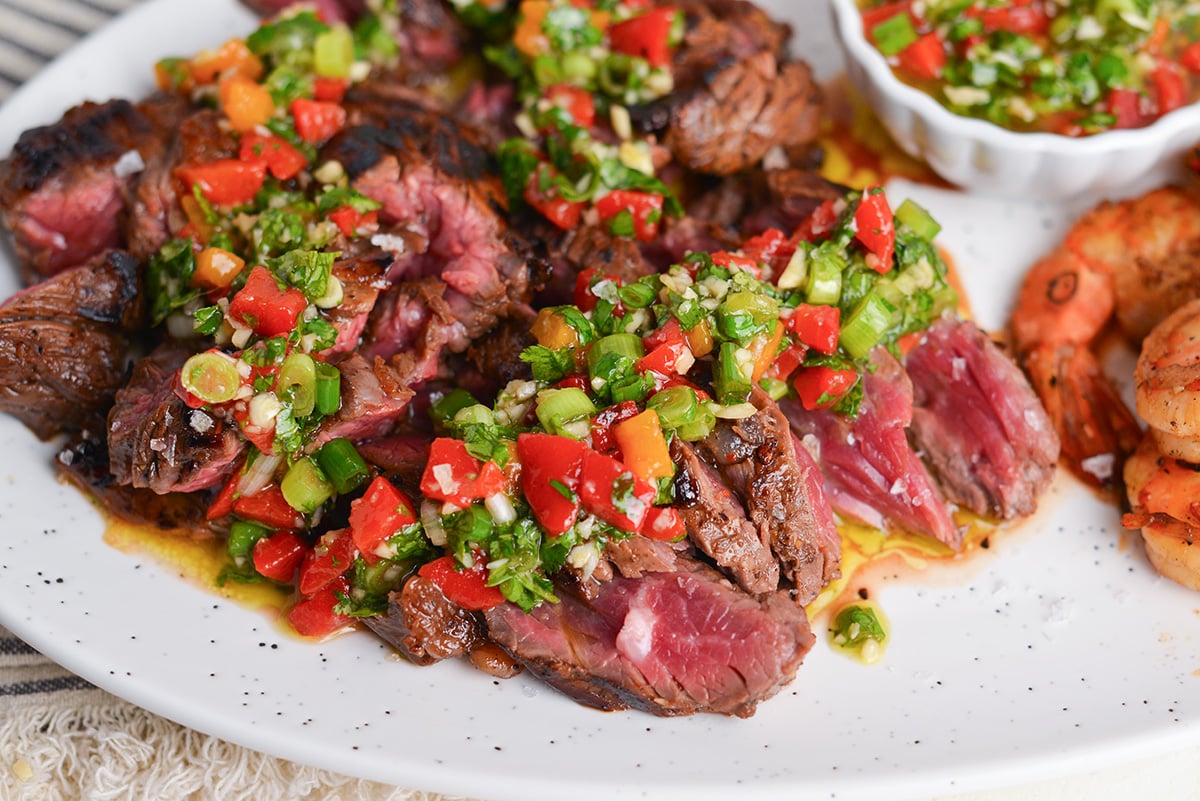
This bavette steak recipe walks you through exactly how to cook it on the grill or in a cast-iron skillet, with the right timing, temperature, and slicing technique for the best results.
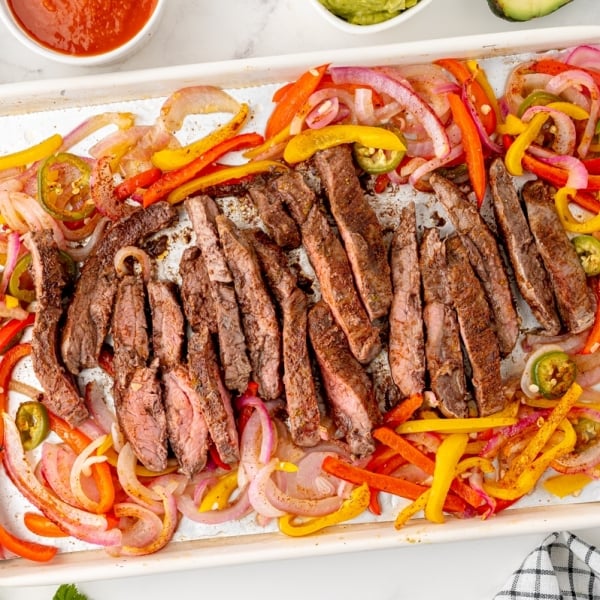
It tastes great as just a steak, but also works well in dishes like fajitas, tacos, sandwiches or steak salads where thin, tender cuts are needed to be easily eaten. It is by far one of my favorites, but I often have to let the grocery store or my local butcher shop know I’m in need of one because they don’t keep them on hand.
Why You’ll Love This Bavette Steak Recipe
Grill or skillet friendly so you can cook it year-round
Quick-cooking cut that’s ideal for weeknights
Bold beefy flavor without paying ribeye prices
Simple marinade for extra tenderness and caramelization
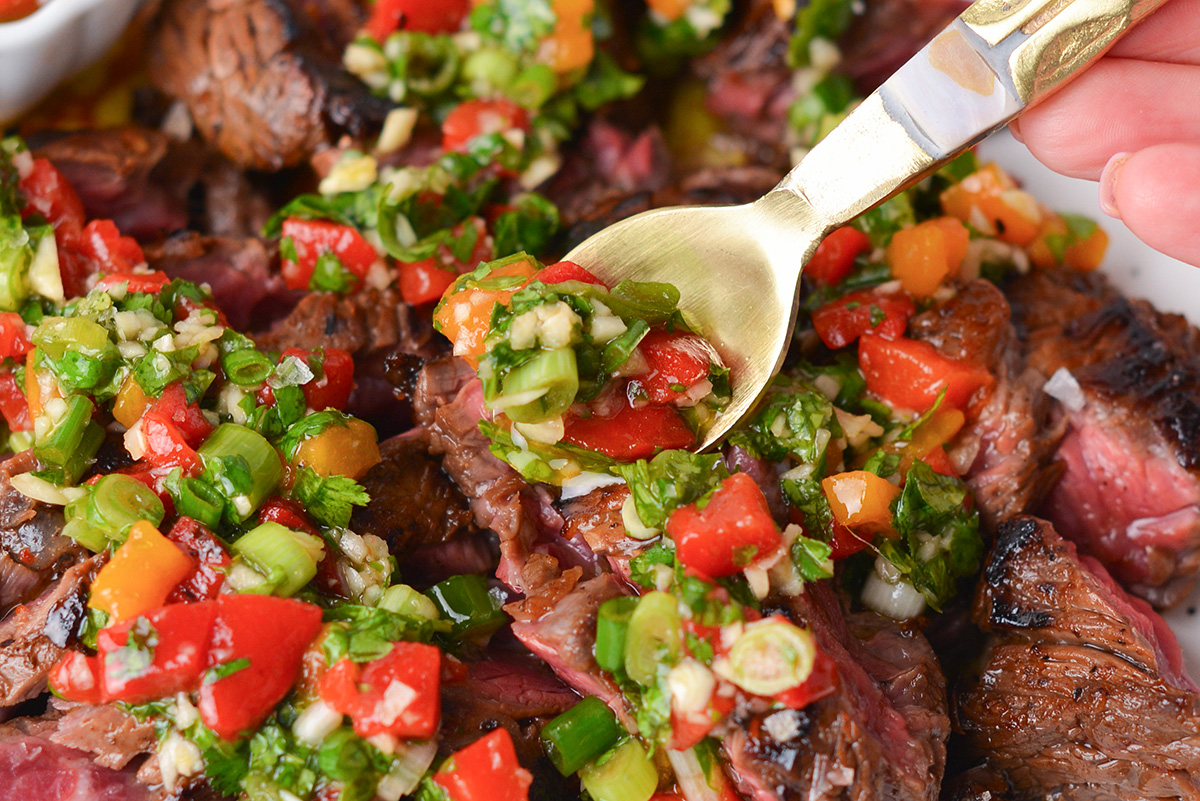
Fresh herb sauce that cuts the richness beautifully
Chef-tested slicing tips so every bite stays tender
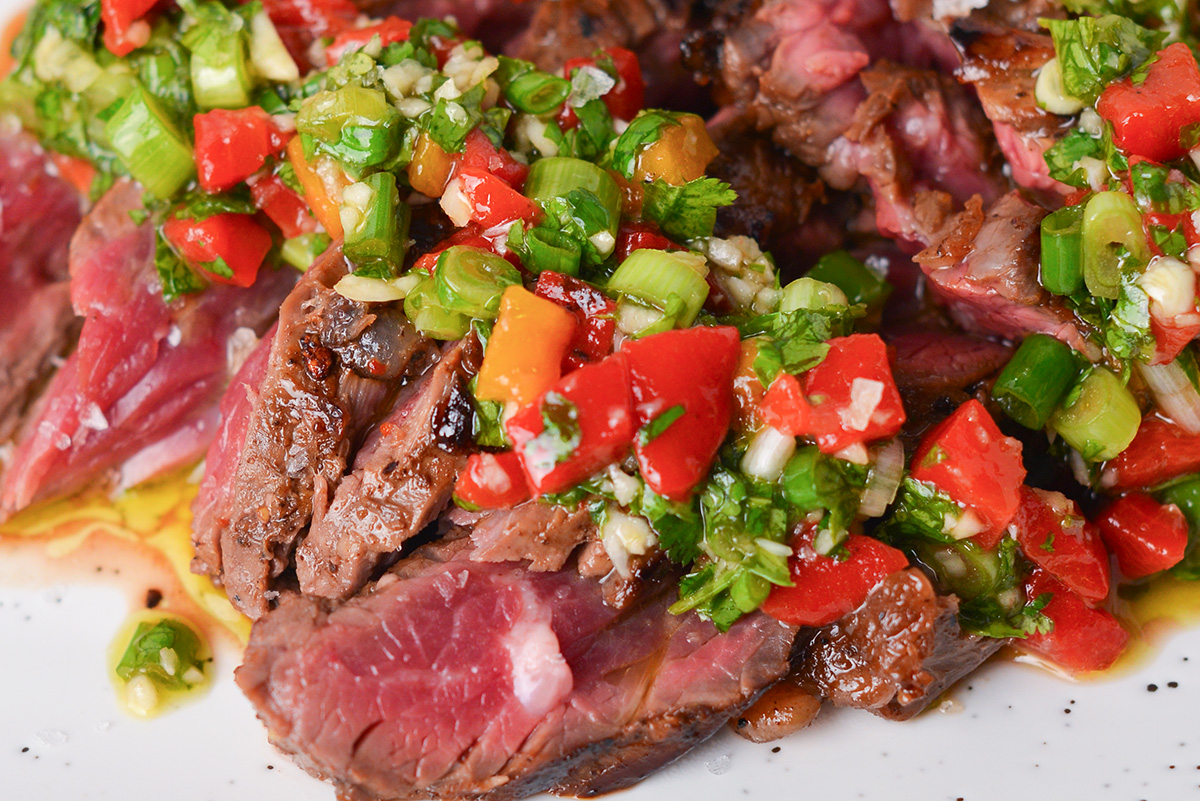
What is a Bavette Steak?
Sometimes called the “butchers cut” this piece of tender and super flavorful beef was often kept for the butcher’s family. It is also known as a “flap steak”, “sirloin flap steak” or “bib of the sirloin” since “bavette” means “bib” in French.
It is a flat, long cut that is near the flank and bottom sirloin. It is best with a quick, high heat sear and cut against the grain. The cut itself has loads flavor, but a little dip in this zesty marinade doesn’t hurt. Other cuts of beef that cook similarly are a flank steak or sirloin.
A bavette is best experienced cooked to a rare to medium-rare doneness. Past this and the fibers tend to get dry and chewy. Of course, allow it ample time to rest and cut the meat against the grain for best results.
What to Gather
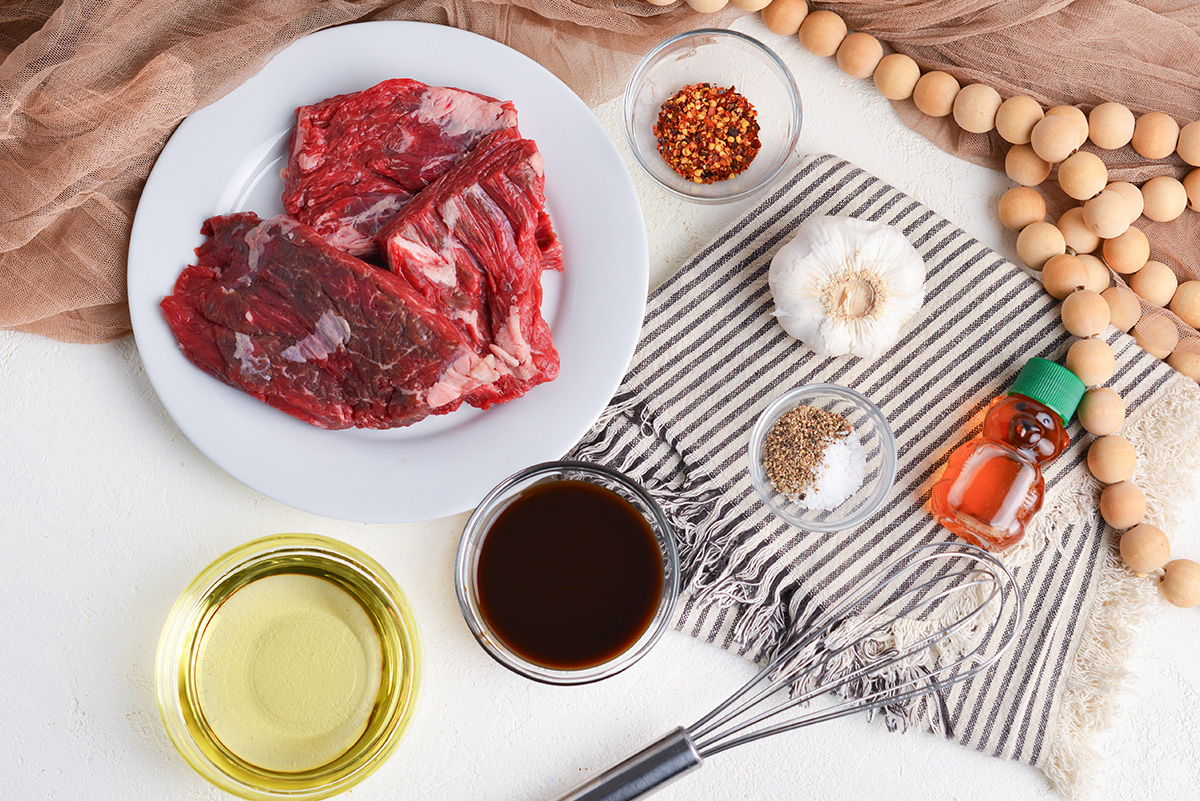
A killer steak needs the right ingredients to shine, and this lineup has the perfect balance of richness, acidity, and spice. A full list of ingredients with measurements is available in the printable recipe card below.
Bavette Steak Marinade
- Bavette Steak – This cut is tender, juicy, and loaded with beefy flavor!
- Vegetable Oil – Oil helps the marinade cling to the steak while ensuring a great sear when cooked. You can also use other neutral oils.
- Worcestershire Sauce – This sauce packs a punch of umami flavor.
- Fresh Garlic – Using fresh garlic infuses the steak with the most flavor. Be sure to mince it finely.
- Honey – A bit of honey balances the other ingredients while also helping to create a beautiful caramelization when cooking!
- Coarse Kosher Salt & Freshly Ground Black Pepper – Salt is a must for this marinade — it helps to bring out the other flavors and to tenderize the steak. Pepper adds a subtle heat and rounds out the marinade.
Bavette Sauce
- Flat-Leaf Parsley – This herb gives the sauce its fresh, herbaceous flavor.
- Cilantro – Cilantro adds a citrusy and slightly peppery note to the sauce.
- Fresh Garlic – Because you can never have too much garlic! This helps to tie the sauce and the flavor of the steak together.
- Roasted Red Pepper – These peppers bring a little sweetness and a pop of color to the table.
- Scallions – These add a little mild, oniony flavor.
- Extra Virgin Olive Oil – This oil is the base of the sauce, making it rich and smooth.
- Red Wine Vinegar – Vinegar adds tangy acidity to cut through the fattiness of the steak. Balsamic vinegar or soy sauce can also be the acidic base.
- Red Pepper Flakes – These are optional, but they add a touch of heat to spice things up.
- Coarse Kosher Salt & Ground Black Pepper
The Play-by-Play
This recipe is all about letting the steak do its thing — let the marinade work its magic then simply sear, rest, slice, and serve!
How To Cook Bavette Steak
- Create the marinade. Mix the vegetable oil, Worcestershire sauce, water, garlic, honey, salt, and pepper in a shallow dish or a zip-top bag.
- Marinate the steak. Place the bavette steak in the marinade and rub it in to make sure it’s fully coated. Chill in the fridge for at least a few hours — overnight if you have time.
- Cook- see instructions for the grill and cast iron below.
- Rest and slice. Let the steak rest for a few minutes before slicing it thinly against the grain. This final step is key for keeping it tender.
On the Grill
- Preheat grill to high heat and oil the grates lightly.
- Grill for 3–5 minutes per side depending on thickness. Pull it at 125–130°F for medium-rare.
In a Cast-Iron Skillet
- Heat skillet the skillet over medium-high heat. Pat the steak dry before searing.
- Sear for 3–5 minutes per side. Remove it at 125–130°F for medium-rare.
Chef’s Note
Bavette is best at rare to medium-rare; beyond that it tends to lose its magic. Competitors consistently reinforce medium-rare as the sweet spot.
Bavette Sauce
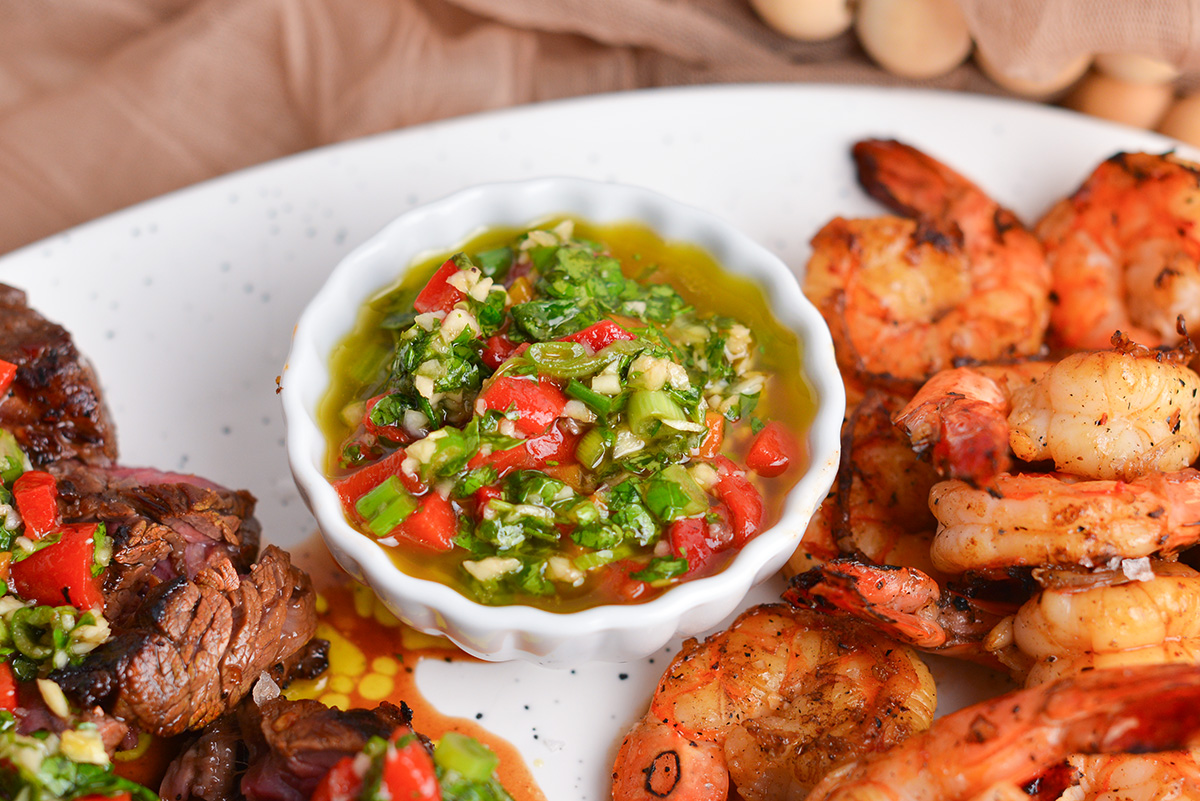
- Chop the herbs. Pulse parsley and cilantro in a food processor. Then, transfer the mixture to a bowl.
- Add the garlic. Next, pulse the garlic in the food processor and mix it in with the herbs.
- Mix it all together. Add the remainder of the sauce ingredients to the herb and garlic mixture and stir until evenly dispersed.
- Let the flavors meld. Cover and let the sauce sit while the steak cooks.
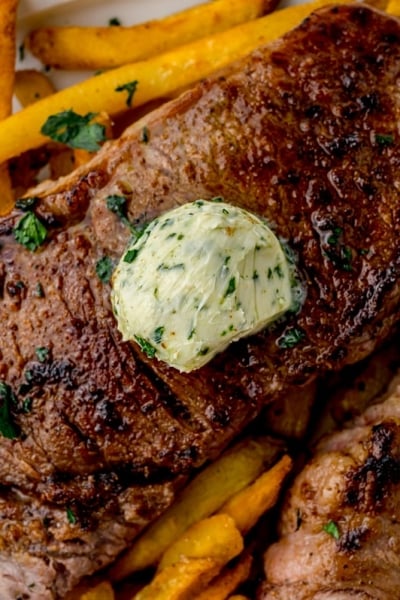
If this sauce doesn’t strike your fancy, consider our best sauteed mushrooms– which have a smacky sweet and savory sauce or even a cowboy butter.
Bavette vs Flank vs Skirt Steak
Bavette steak is often confused with flank or skirt steak because all three are thin, flavorful cuts that like high heat.
But bavette usually has looser texture, more marbling, and a slightly richer, beefier bite. Flank is leaner and firmer, while skirt has a more pronounced grain and can cook even faster.
If your store doesn’t stock bavette, flank or skirt can work, but bavette has the edge for tenderness when sliced correctly.
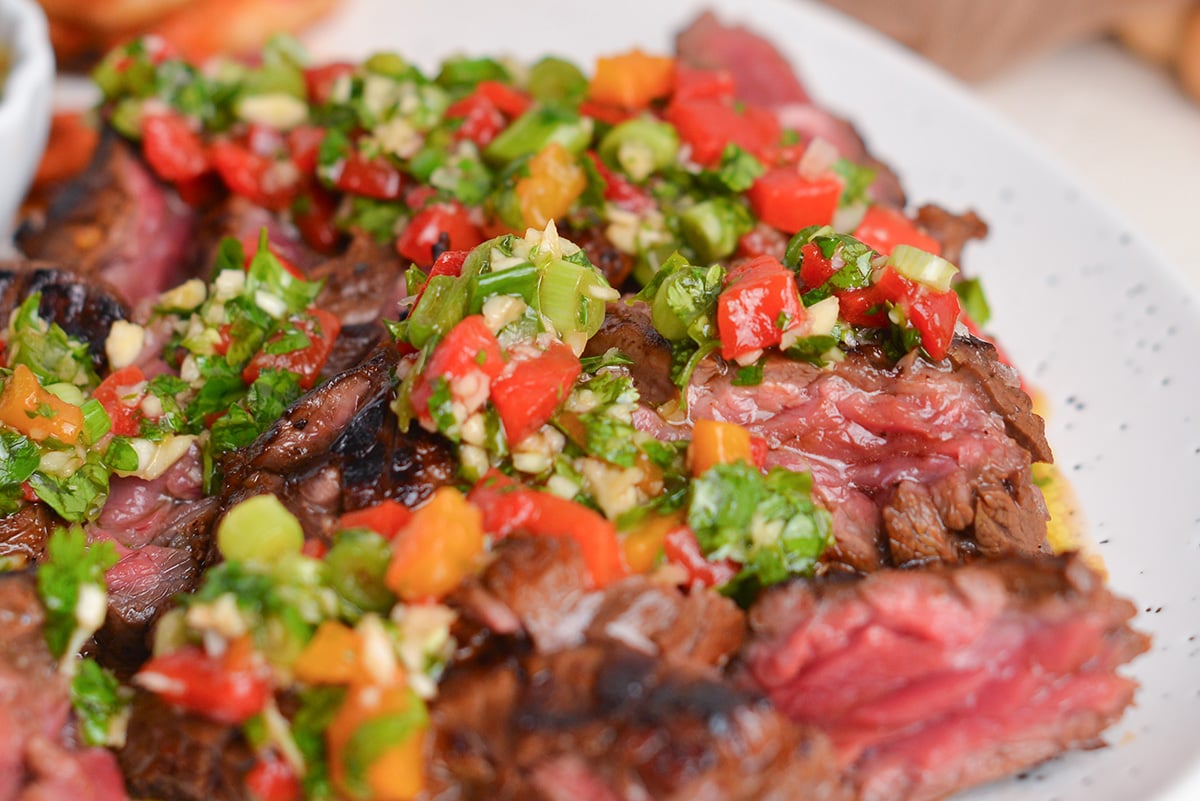
Perfect Pairings
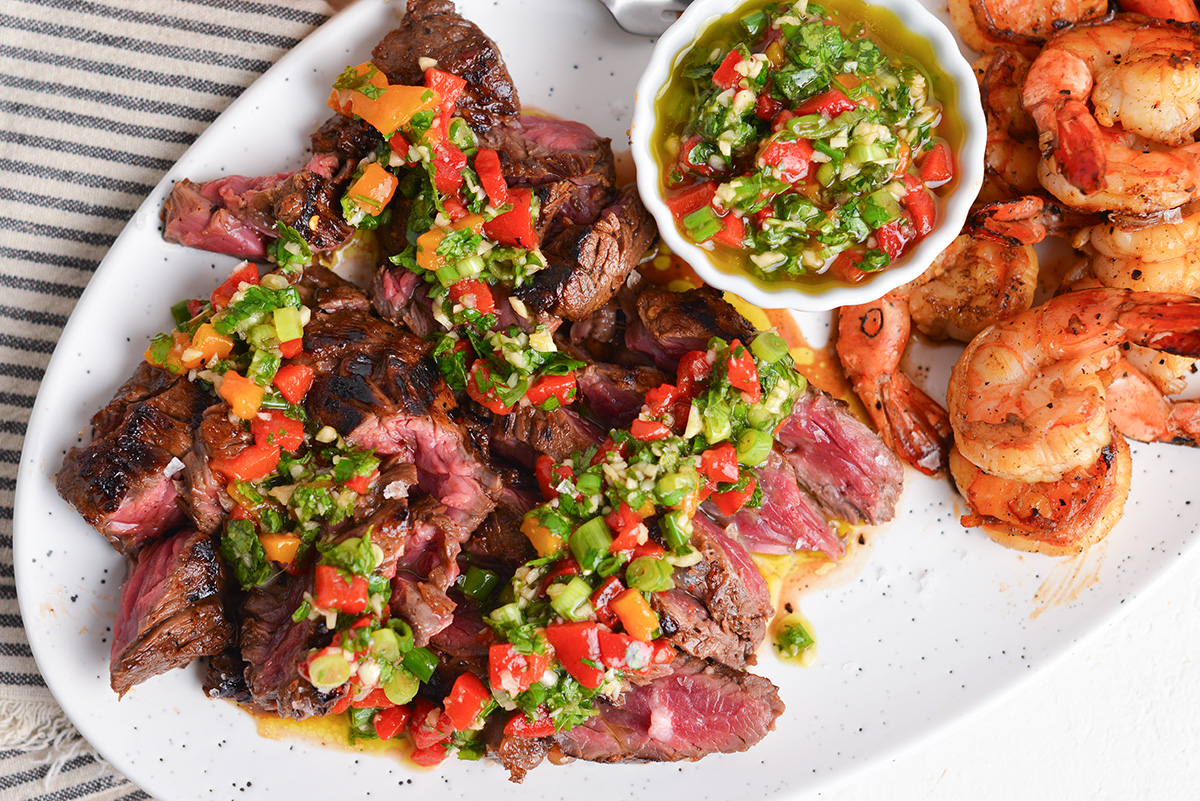
A steak this good deserves some equally impressive sides and appetizers. Keep it simple with an easy escargot recipe, roasted potatoes, baked potatoes, or crispy fries to soak up all those juices. You can also try other starches like instant pot macaroni and cheese, Mexican rice, or a broccoli quinoa casserole.
For veggies, try serving asparagus, corn on the cob, or oven-roasted tomatoes. Or simply toss together an easy salad.
Storage and Freezing
While a perfectly cooked steak always tastes best straight off the grill (after resting, of course) you can store it for a few days, too.
Make Ahead
The sauce actually tastes even better after sitting for a few hours, so feel free to make it ahead of time. The steak can also be marinated up to 24 hours in advance — just don’t go beyond that or the meat may become over-tenderized and mushy.
How to Store
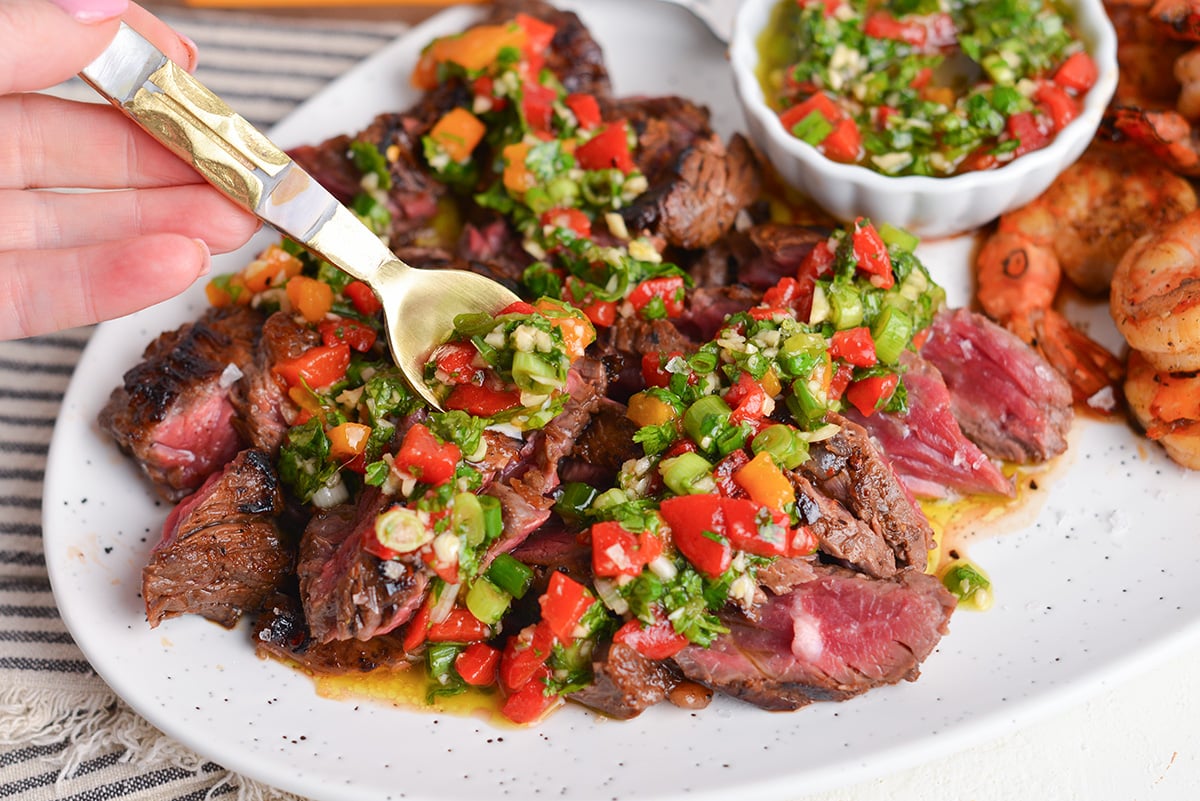
Store leftover Bavette steak in an airtight container for up to 3 days. Keep the sauce in a separate container for up to a week.
Can I Freeze Bavette Steak?
The sauce and the steak can each be frozen separately for up to 3 months.
Top Recipe Questions
Bavette is a lesser-known cut from the bottom sirloin, known for its marbling and beefiness. It’s similar to flank or skirt steak but has a more tender texture when it’s cooked properly.
The key is high heat, a good sear, and slicing against the grain. Marinating also helps break it down so you end up with the perfect texture.
Absolutely! A cast-iron skillet works well. Just make sure it’s super hot to get the ideal sear.
More Beefy Recipes
If you’re like me and can never have too many beef recipes up your sleeve, you’ll want to check these out, too!
Bavette Steak Recipe
Ingredients
Bavette Steak Marinade:
- 1/2 cup vegetable oil
- 1/4 cup Worcestershire sauce
- 1/4 cup water
- 3 cloves fresh garlic , minced
- 2 tablespoons honey
- 1 teaspoon coarse Kosher salt
- 1 teaspoon freshly ground black pepper
- 1- 1/5 pounds bavette steak
Bavette Sauce:
- 1 cup flat leaf parsley , leaves and small stems, packed
- 1/3 cup cilantro ,packed
- 2 cloves fresh garlic , coarsely chopped
- 1 tablespoon roasted red pepper , minced
- 1 tablespoon scallions , chopped
- 1/2 cup extra virgin olive oil , start with less and add more if needed
- 1 tablespoon red wine vinegar
- 1/2 teaspoon red pepper flakes , optional
- 1/2 teaspoon coarse kosher salt
- 1/4 teaspoon ground black pepper
Instructions
Bavette Steak:
- Combine the 1/2 cup vegetable oil, 1/4 cup Worcestershire sauce, 1/4 cup water, minced 3 cloves fresh garlic, 2 tablespoons honey, 1 teaspoon coarse Kosher salt and 1 teaspoon freshly ground black pepper to shallow dish or airtight plastic bag. Add the 1- 1/5 pounds bavette steak and massage to combine and penetrate. Chill and marinate for 4-24 hours.
- When ready to cook, remove the steak from the marinade, discarding the marinade.
- Heat the grill, a grill pan or cast iron skillet over medium-high heat.
- Sear both sides for 2-3 minutes or until the desired degree of doneness.
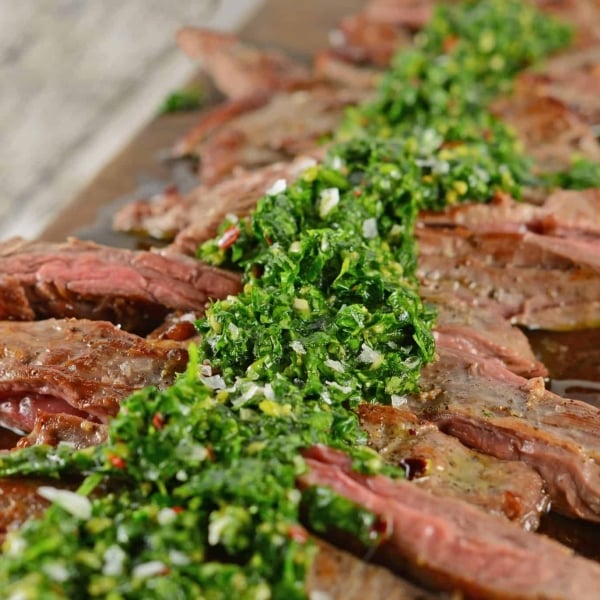
- Remove and allow to rest for 5 minutes before slicing thinly against the grain. Top with chimichurri sauce to serve.
Bavette Sauce:
- Add the 1 cup flat leaf parsley and 1/3 cup cilantro to a small food processor, pulse until coarsely chopped. Remove using a spatula to a small mixing bowl and set aside.
- Repeat with the 2 cloves fresh garlic until minced and add to the herb mixture.
- Stir the chopped 1 tablespoon roasted red pepper, 1 tablespoon scallions, 1/2 cup extra virgin olive oil, 1 tablespoon red wine vinegar, 1/2 teaspoon red pepper flakes, 1/2 teaspoon coarse kosher salt and 1/4 teaspoon ground black pepper.
- Cover and allow the flavors to marry until you are ready to use.
- If you've tried this recipe, come back and let us know how it was in the comments or star ratings.
Nutrition