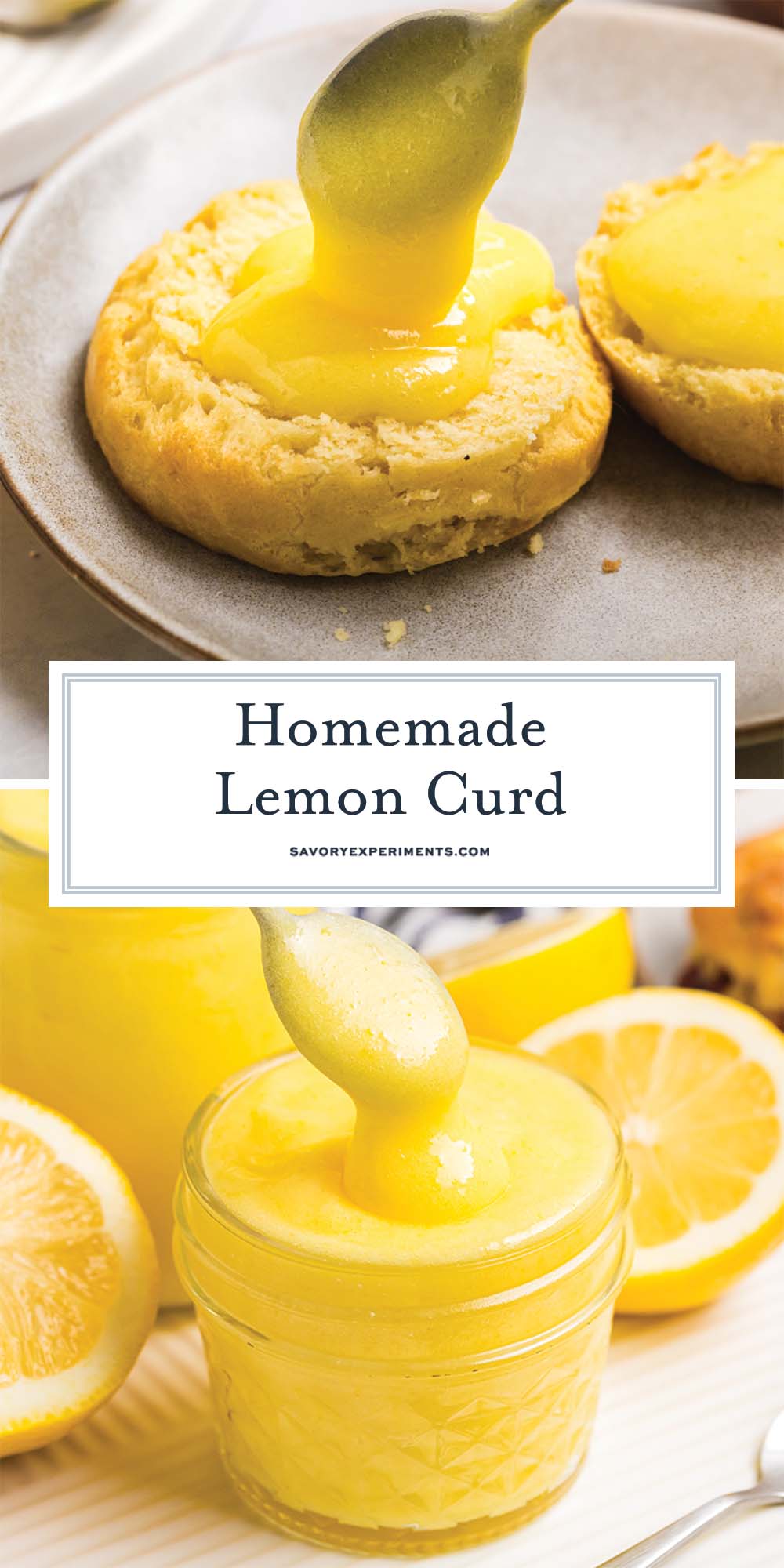

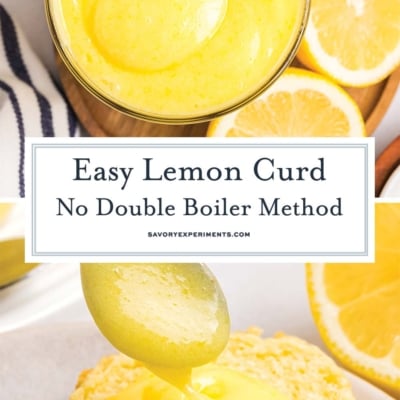
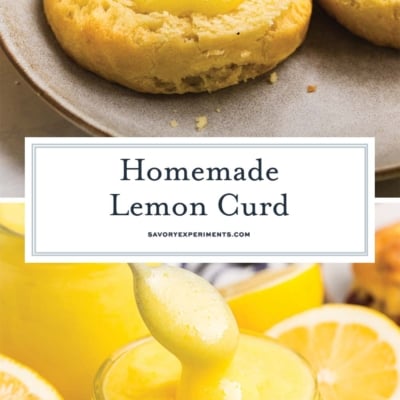
This easy lemon curd recipe creates a smooth, bright citrus spread using simple ingredients like fresh lemon juice, egg yolks, sugar and butter. Best of all, it comes together in one saucepan with no double boiler required, making it one of the simplest homemade lemon curd recipes you can make.
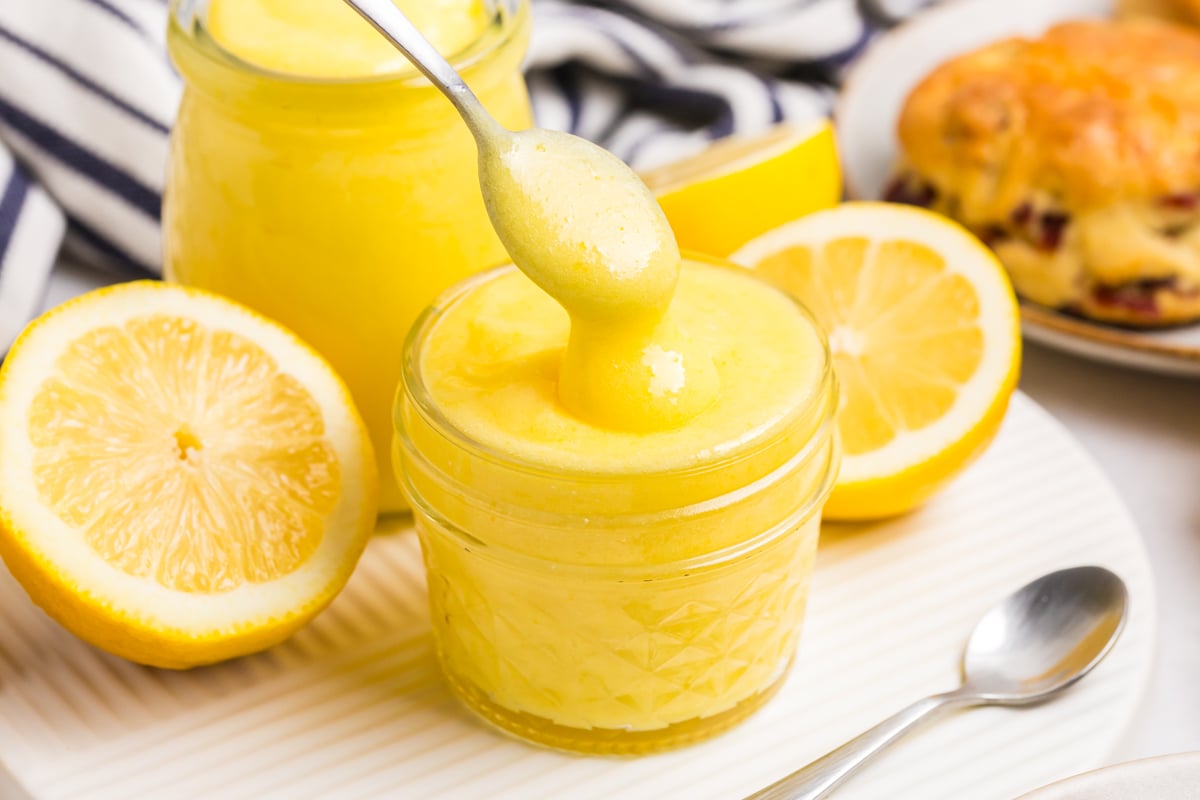
What is Lemon Curd?
Lemon curd is a creamy citrus spread made by gently cooking lemon juice, sugar, egg yolks and butter together until thick and glossy. The result is a rich, sweet-tart filling with a silky texture that works beautifully in desserts or simply spread on toast.
Lemon curd originated in England and is traditionally served with scones, but today it’s widely used as a filling for cakes, tarts, pastries and layered desserts.
Your Shopping List
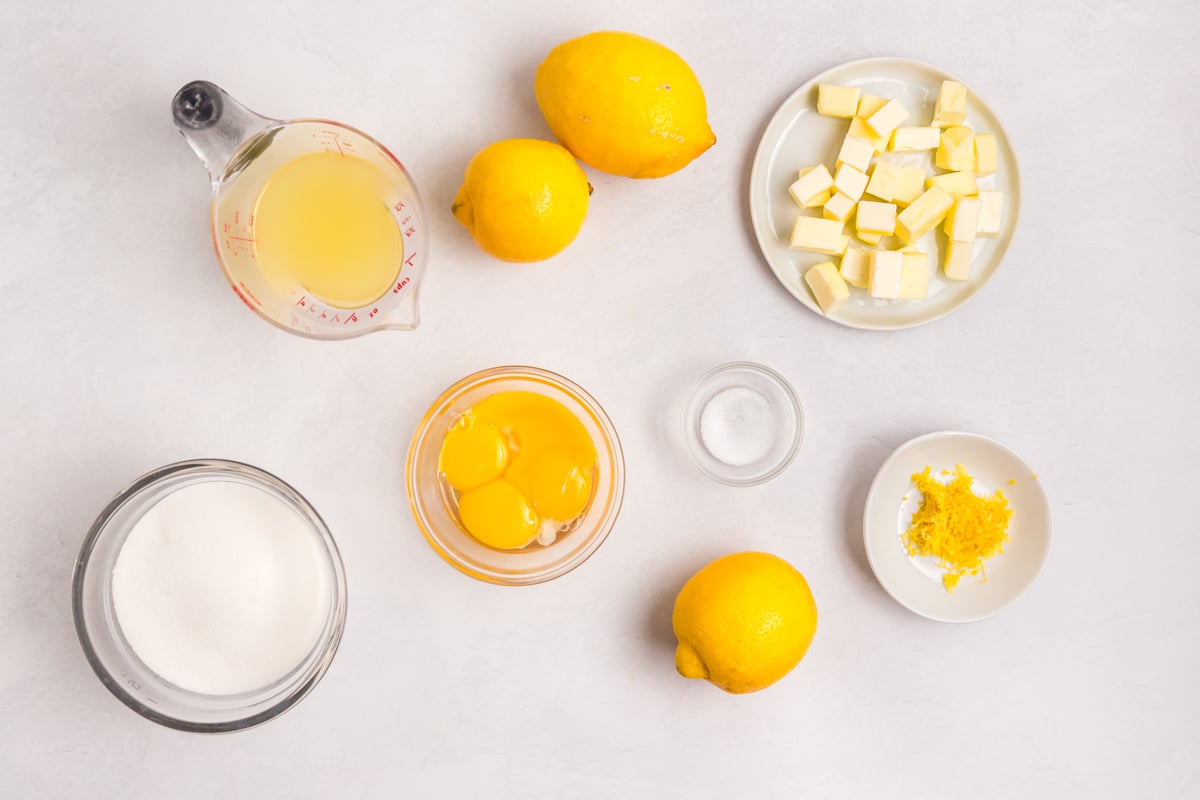
Lemon curd ingredients are really quite simple- you m ight already have most of them on hand. A full list of ingredients with measurements for this recipe is available in the printable recipe card below.
- Lemon – We will use both lemon juice and lemon zest. Fresh lemon juice is always preferred for the best and freshest flavor.
- Egg yolks
- Sugar
- Unsalted butter
- Coarse kosher salt
How to Make Lemon Curd (Step-by-Step)
Making this delightful dessert couldn’t be easier! Just follow these simple steps.
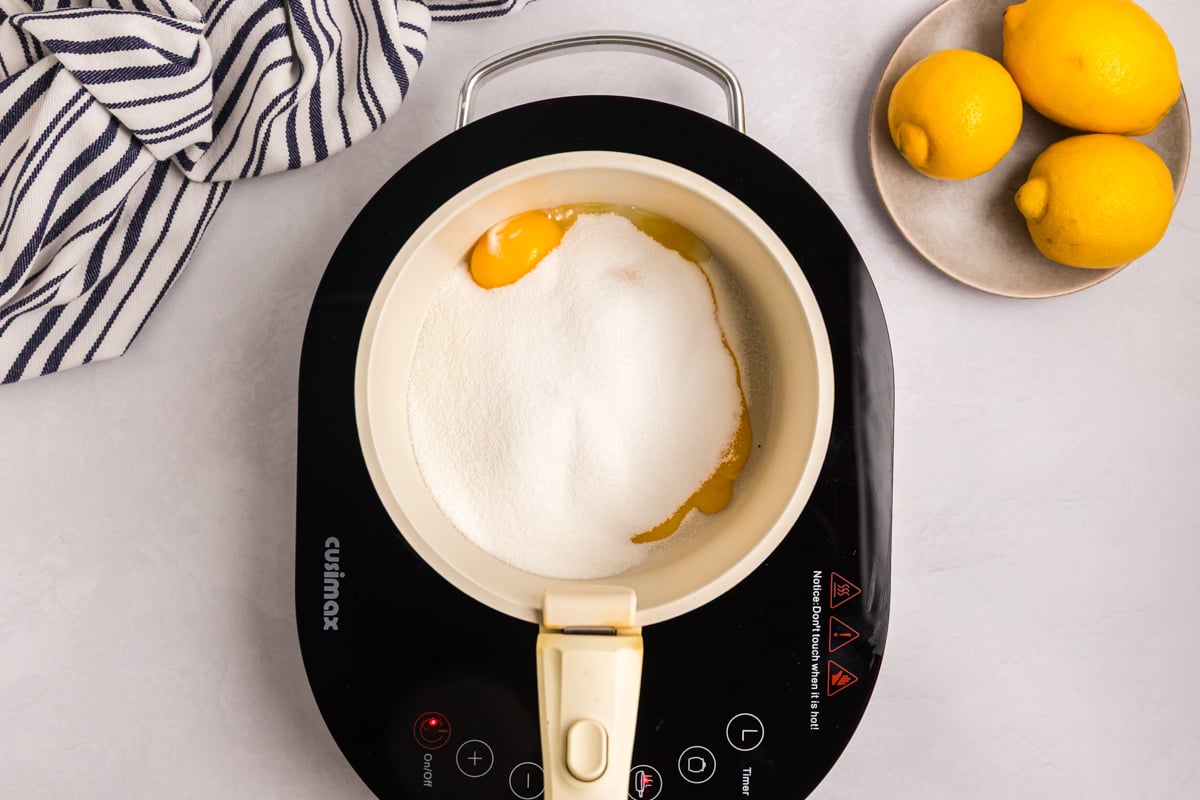
- Whisk egg yolks and sugar. In a medium saucepan over low heat, whisk together the egg yolks and sugar until the sugar has dissolved.
- Add in lemon juice, lemon zest and salt. Whisk in lemon juice, zest, and salt.
- Slowly cook. Cook over low heat, whisking constantly, until thick enough to coat the back of a spoon. Do not stop whisking or you run the risk of cooking the eggs into scrambled eggs.
- Add in butter. Remove from heat and whisk in the butter a few cubes at a time until glossy and smooth.
- Strain through a fine mesh sieve (to catch any egg bits that might remain) into a bowl/jar (optional but recommended).
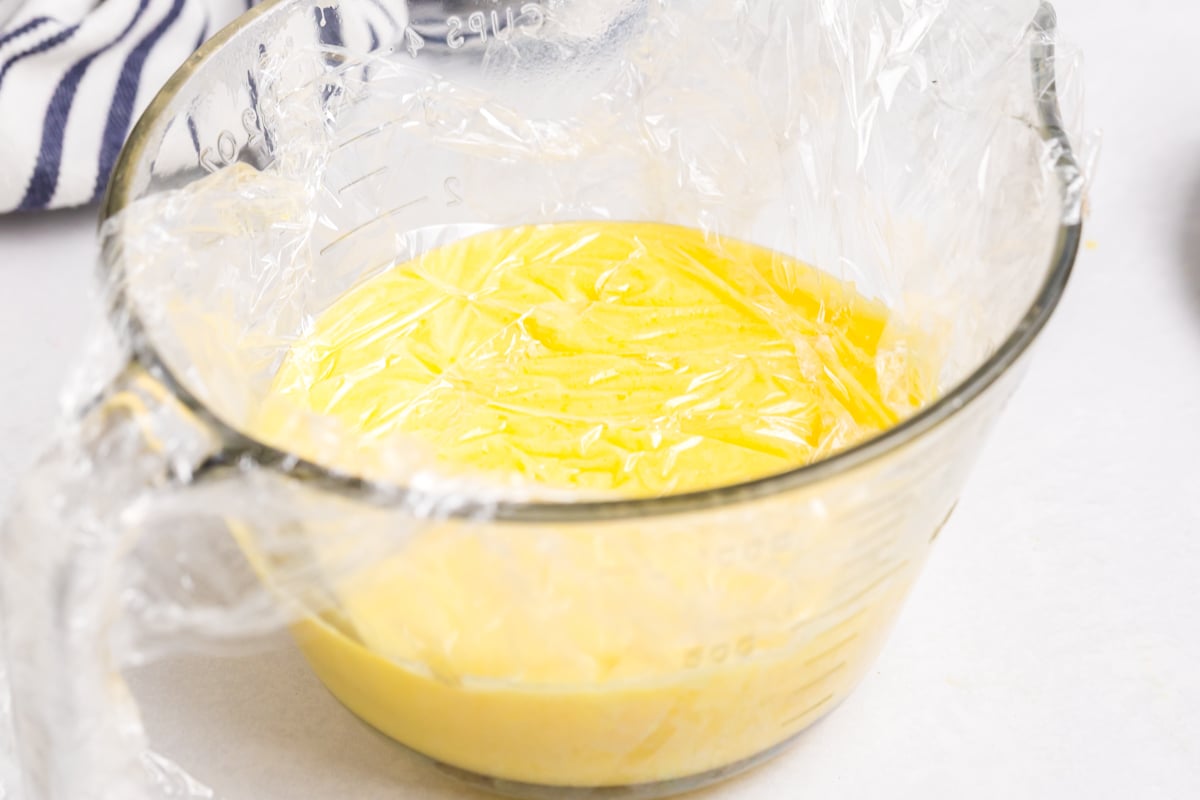
- Add plastic wrap to surface and chill. Press plastic wrap directly on the surface and refrigerate until chilled and thickened. The mixture will not be fully thick when you start to chill it.
Why We Use Plastic Wrap
Placing plastic wrap directly against the surface of lemon curd prevents a film from forming while it cools.
As custard-style mixtures cool, the exposed surface can dry out and form a thin film. Pressing the wrap directly onto the curd keeps air away from the surface and maintains a smooth texture.
Tips for Perfect Lemon Curd
While this delightful spread isn’t complicated to make, I do have some tips to ensure it turns out perfectly.
- Cook over low heat – You don’t want the eggs to turn into scrambled eggs, and heating slowly helps with that. This process is called tempering. Using a heavy-bottomed saucepan will also help distribute the heat and control the cooking process.
- Whisk constantly – This is another component of egg tempering. Continuous whisking keeps the eggs from cooking unevenly.
- Add butter after cooking – Adding butter off the heat rather than while still cooking ensures a smooth and glossy finish. Cutting it into small pieces ensures it melts evenly.
- Chill fully before using – Lemon curd thickens significantly as it cools, so make sure to chill for the recommended time.
Troubleshooting
If after following the tips above, you still run into issues, let’s troubleshoot and fix them together!
- Too thin? If the curd does not thicken properly, it likely needs more cooking time. Return it to low heat and continue whisking until it coats the back of a spoon and leaves a clear line when you run your finger across it. Remember that lemon curd will thicken further as it cools in the refrigerator.
- Too thick? If the curd becomes thicker than desired, whisk in a small amount of fresh lemon juice or warm water until the consistency loosens slightly. This will restore a spreadable texture without affecting the flavor.
- Lumpy? If small bits of cooked egg appear, simply strain the curd through a fine mesh sieve to smooth it out. Straining is optional but helpful if the curd was cooked slightly too hot.
Ways to Use Lemon Curd
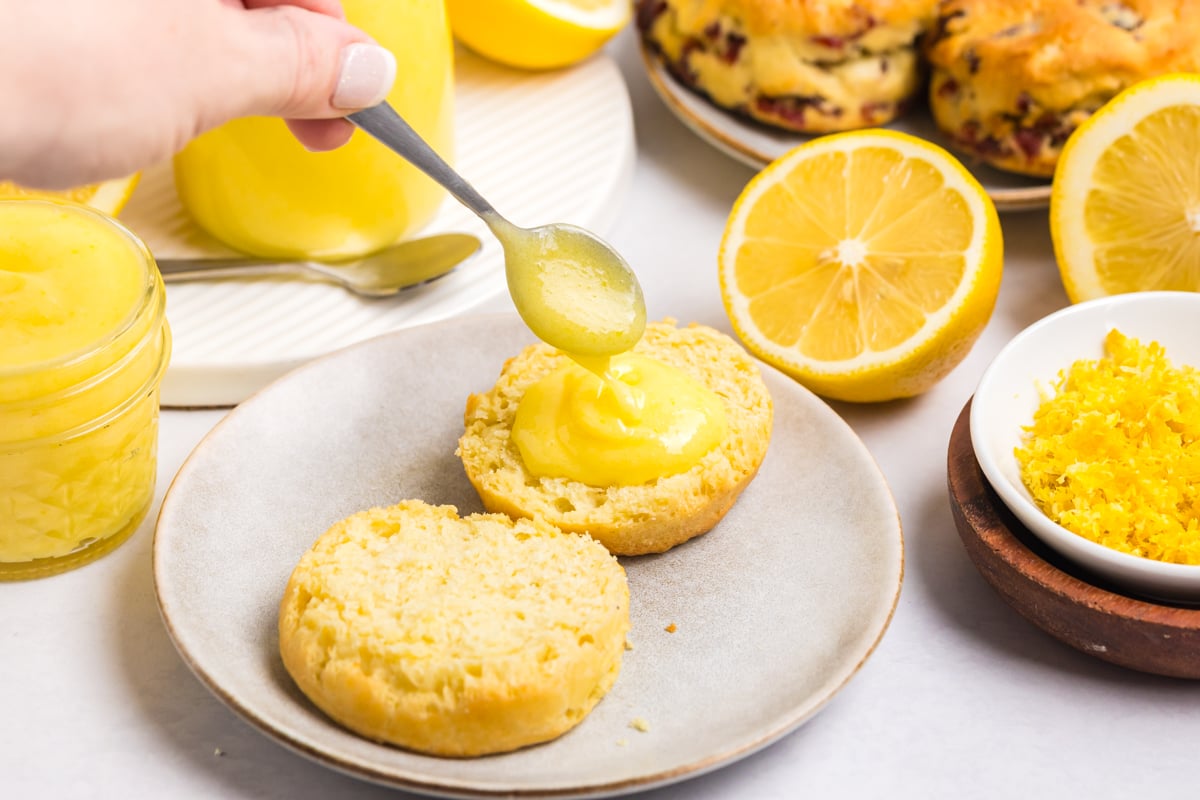
This sweet sauce is extremely versatile and can be used in any number of baked goods and desserts.
- Filling for lemon tarts or mini pavlovas
- Cake filling for layer cakes
- Topping for cheesecake
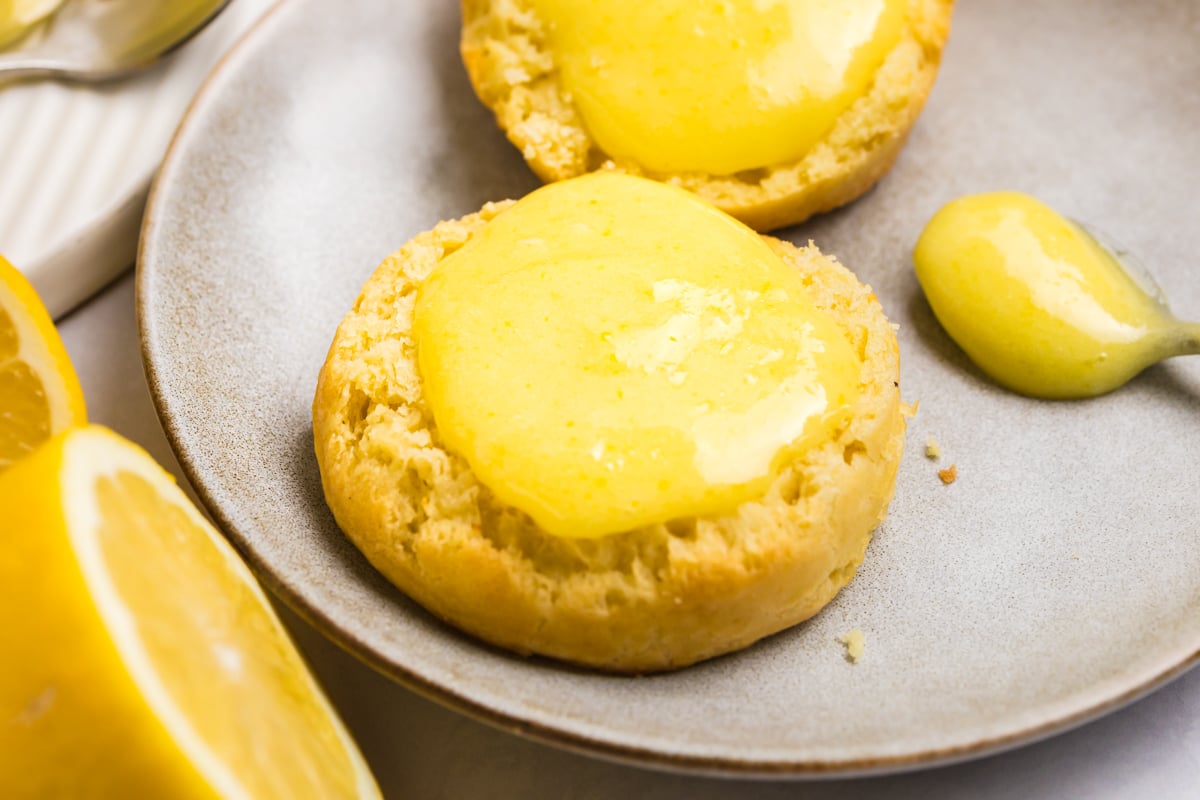
- Spread for toast or biscuits
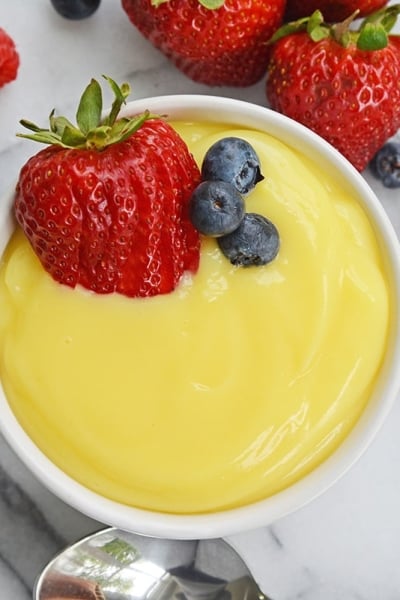
It also pairs beautifully with berries like strawberries, raspberries and blueberries.
Storage, Make-Ahead & Freezing
Make-Ahead: Lemon curd is a great make-ahead recipe since it needs time to chill and thicken. Prepare it up to 5 days in advance and store it covered in the refrigerator until ready to use.
Storage: Store homemade lemon curd in an airtight container or glass jar in the refrigerator. For the smoothest texture, press plastic wrap directly onto the surface before sealing with a lid to prevent a film from forming.
Shelf Life: Lemon curd will keep in the refrigerator for up to 1 to 2 weeks when stored properly. For longer storage, freeze it in a freezer-safe container for up to 3 months, then thaw overnight in the refrigerator before using.
Freezer Instructions: Let the lemon curd cool completely, then transfer it to a freezer-safe container, leaving a little space at the top for expansion. Press plastic wrap directly onto the surface if desired, then seal tightly and freeze for up to 3 months. Thaw overnight in the refrigerator and give it a good stir before using.
Lemon Curd FAQS
Yes. This easy lemon curd recipe is made right in one saucepan over low heat. The key is to cook it gently and whisk constantly so the egg yolks thicken smoothly instead of scrambling.
Lemon curd usually needs a little more time over low heat. Keep whisking until it coats the back of a spoon. It will also thicken more as it chills in the refrigerator.
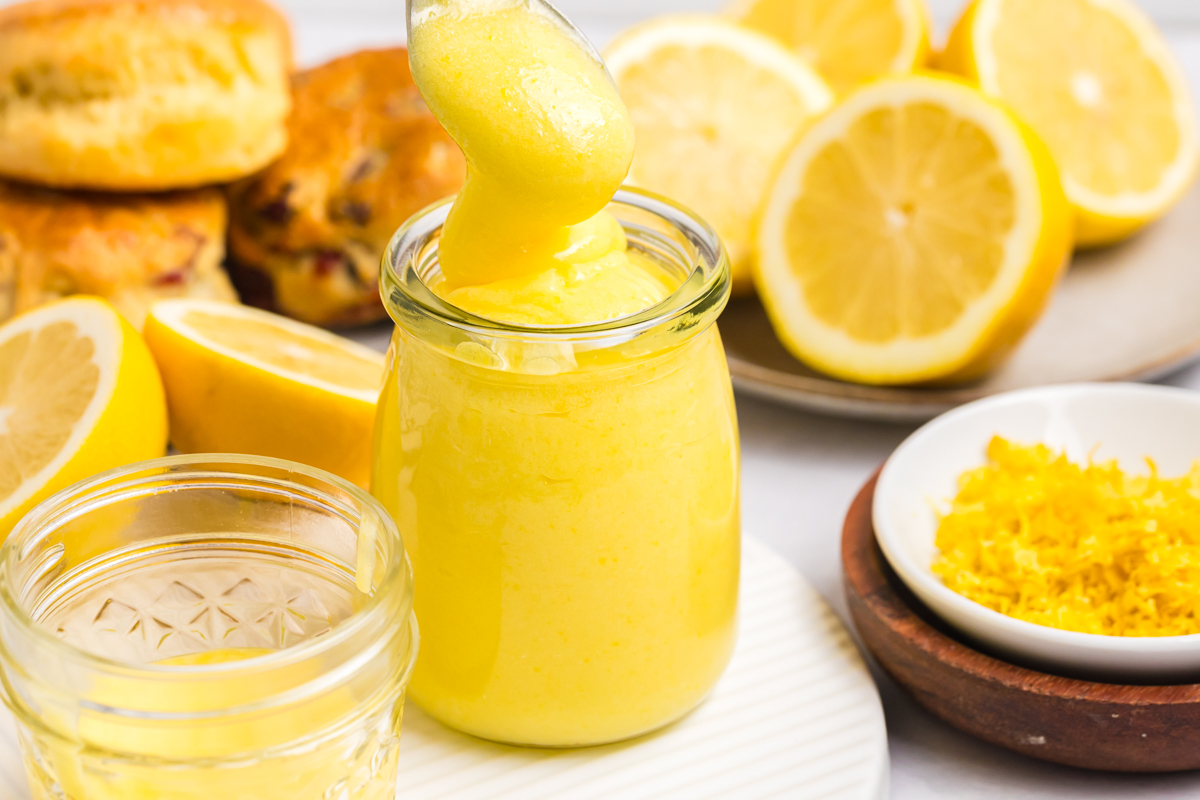
It’s ready when it becomes glossy, thick enough to coat the back of a spoon, and you can draw a line through it with your finger that stays visible for a moment.
Fresh lemon juice is best for the brightest flavor. Bottled juice can work in a pinch, but the flavor is usually flatter and less vibrant.
Lumps usually happen when the heat is too high and little bits of egg cook too quickly. A quick strain through a fine mesh sieve will smooth it right out.
More Zesty Lemon Desserts
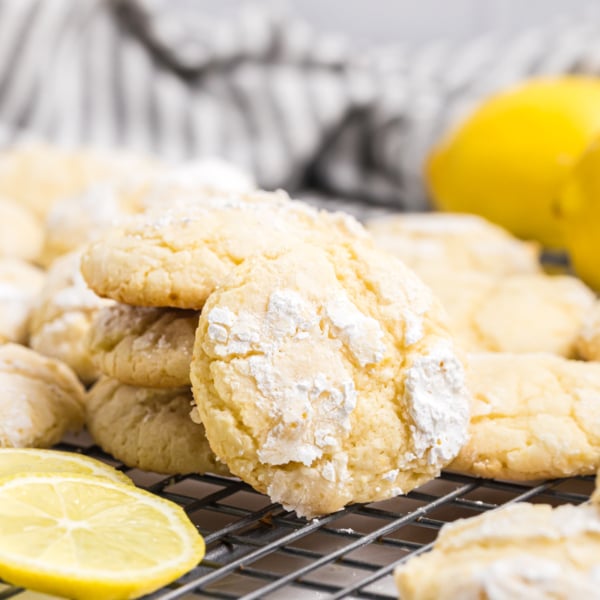
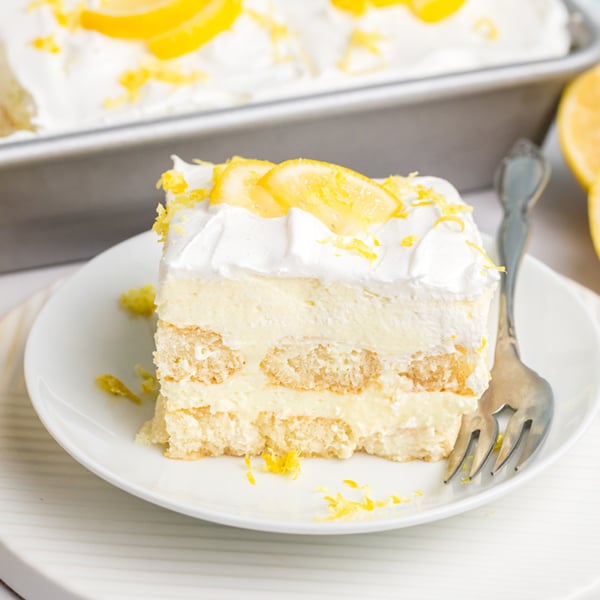
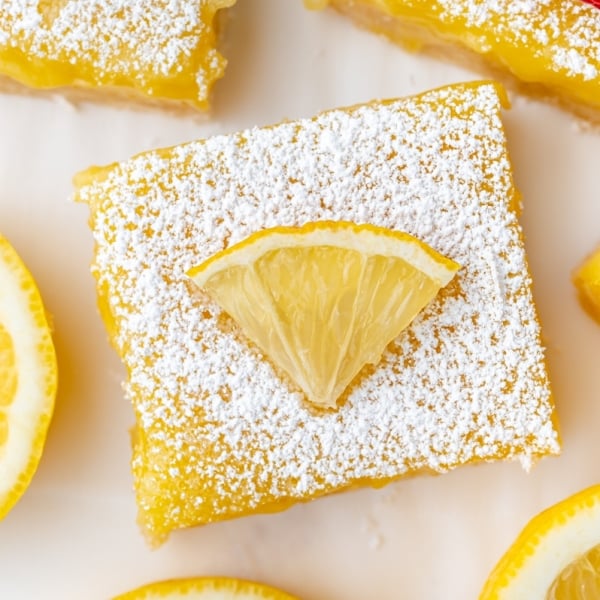
As soon as spring is on the horizon, I start craving all things lemon! Here are some of my favorite lemon desserts.
Easy Lemon Curd Recipe
Ingredients
- 4 large egg yolks
- 1 cup sugar
- ½ cup fresh lemon juice (about 3–4 lemons)
- 1 tablespoon fresh lemon zest
- ¼ teaspoon coarse Kosher salt
- 6 tablespoons unsalted butter , cubed
Instructions
- In a medium saucepan over low heat, whisk together the 4 large egg yolks and 1 cup sugar until the sugar has dissolved.
- Whisk in ½ cup fresh lemon juice (about 3–4 lemons), 1 tablespoon fresh lemon zest, and ¼ teaspoon coarse Kosher salt.
- Cook over low heat, whisking constantly, until thick enough to coat the back of a spoon (about 8–10 minutes). Do not stop whisking or you run the risk of cooking the eggs into scrambled eggs.
- Remove from heat and whisk in the cubed 6 tablespoons unsalted butter a few cubes at a time until glossy and smooth.
- Strain through a fine mesh sieve (to catch any egg bits that might remain) into a bowl/jar (optional but recommended).
- Press plastic wrap directly on the surface and refrigerate until chilled and thickened. The mixture will not be fully thick when you start to chill it.
- If you’ve tried this recipe, come back and let us know how it was in the comments or star ratings.
Notes
Nutrition