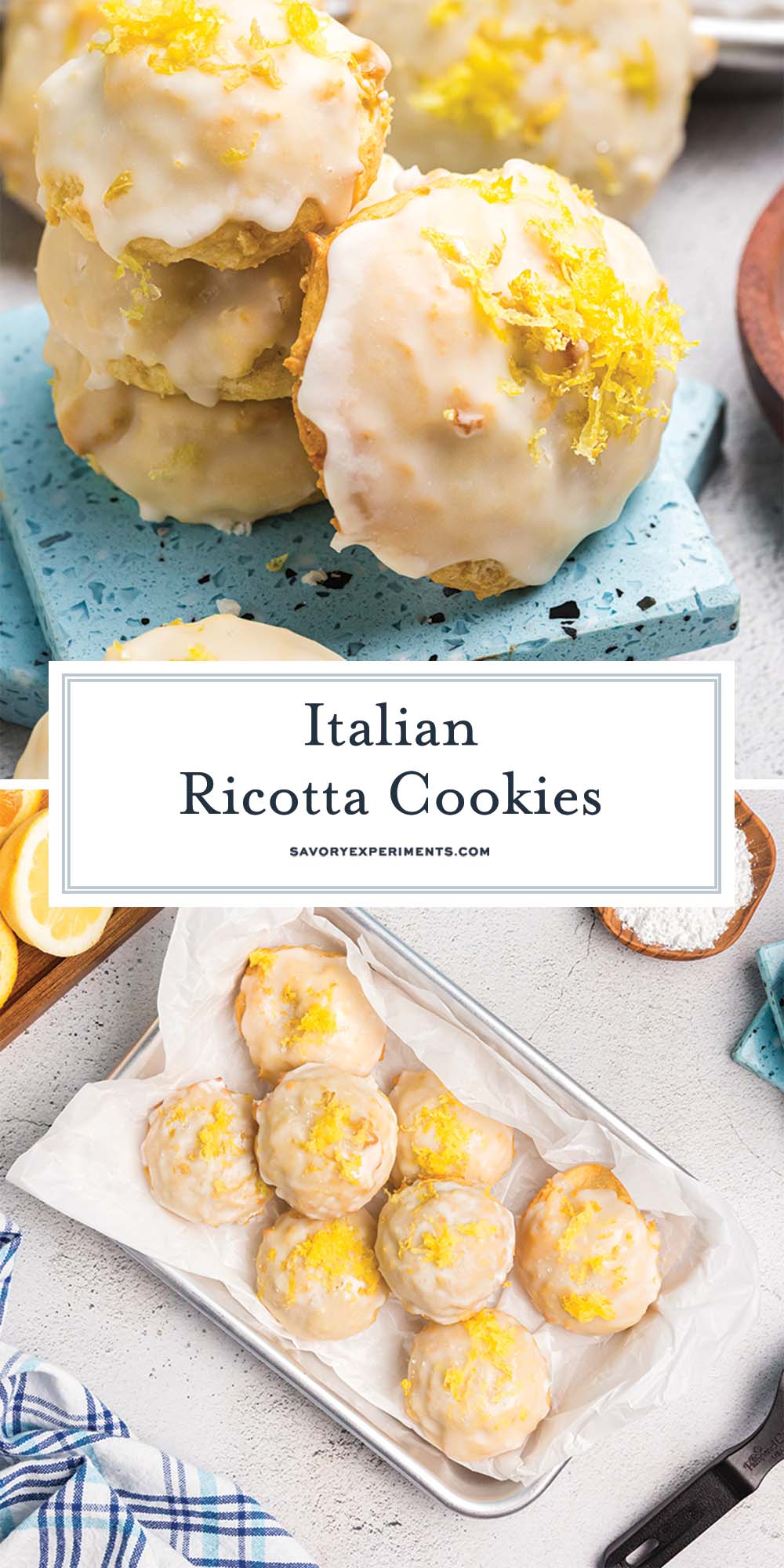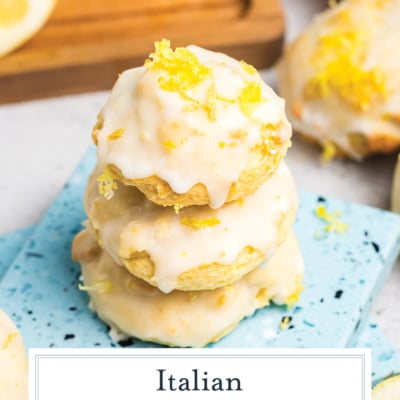
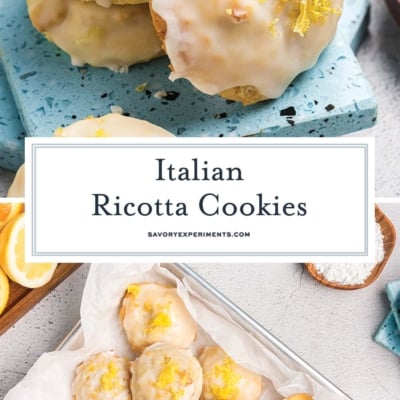
My version of Italian Ricotta cookies uses a blend of vanilla, almond for authentic Italian bakery flavor and both lemon and orange citrus in the cookie dough and icing. A good Italian ricotta cookie should be soft, domed and cake-like.
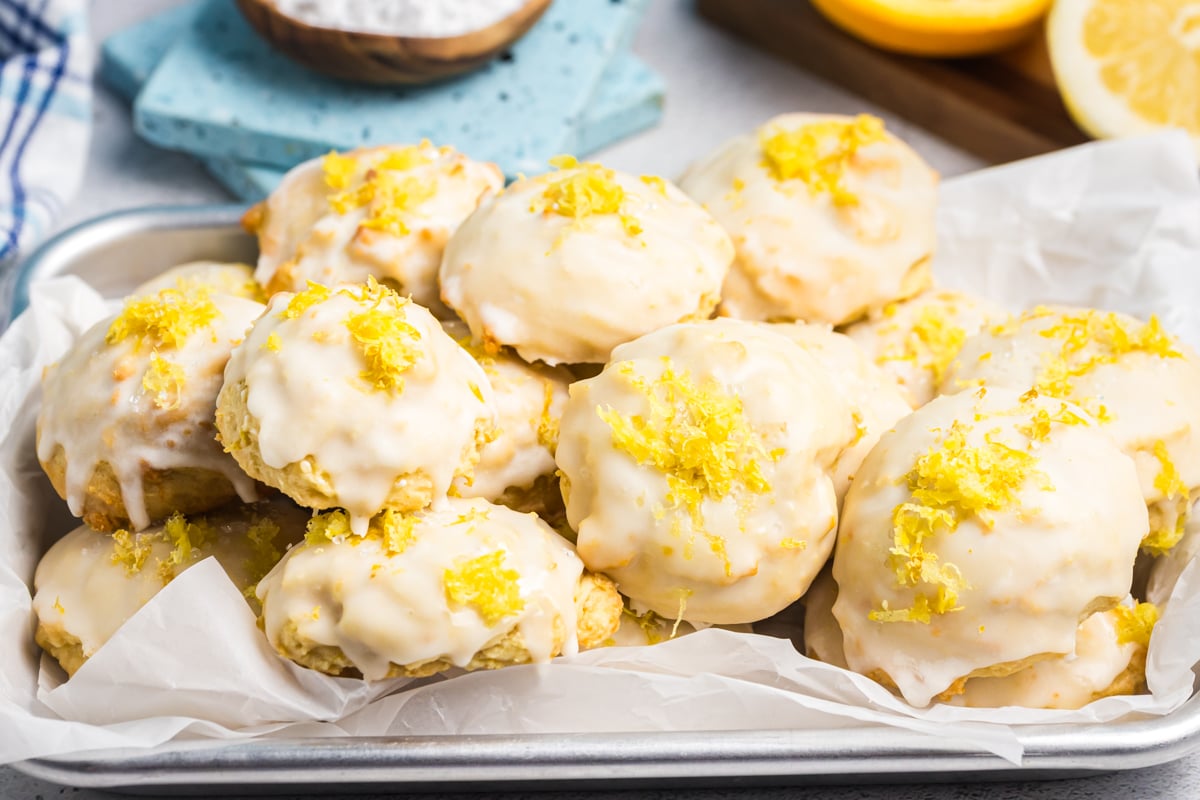
This recipe is courtesy of my Italian aunt, she makes several batches of these cookies every year for bake sales, church and for cookie trays. Next to cream wafers, it is one of my most anticipated cookies of the holiday season and carries so much nostalgia.
What Makes These Italian Ricotta Cookies Better?
- Two types of citrus. Orange rounds out the sharpness of lemon and gives the cookie a more complex Italian bakery aroma.
- Almond extract. Most carry only vanilla, but adding both is the secret to real Italian bakery deliciousness.
- Less sugar in the dough. Many ricotta cookies use a lot of sugar, but these are scaled back a bit so the cookie isn’t as sweet, but gets a sweet edge more from the glaze than the dough.
- Drain and chill. Ricotta moisture varies tremendously from brand to brand. Controlling that moisture and chilling the dough offers a more predictable cookie.
- Years of testing (and tasting). This recipe comes from decades of making and eating. It is simply the best (in my eyes)
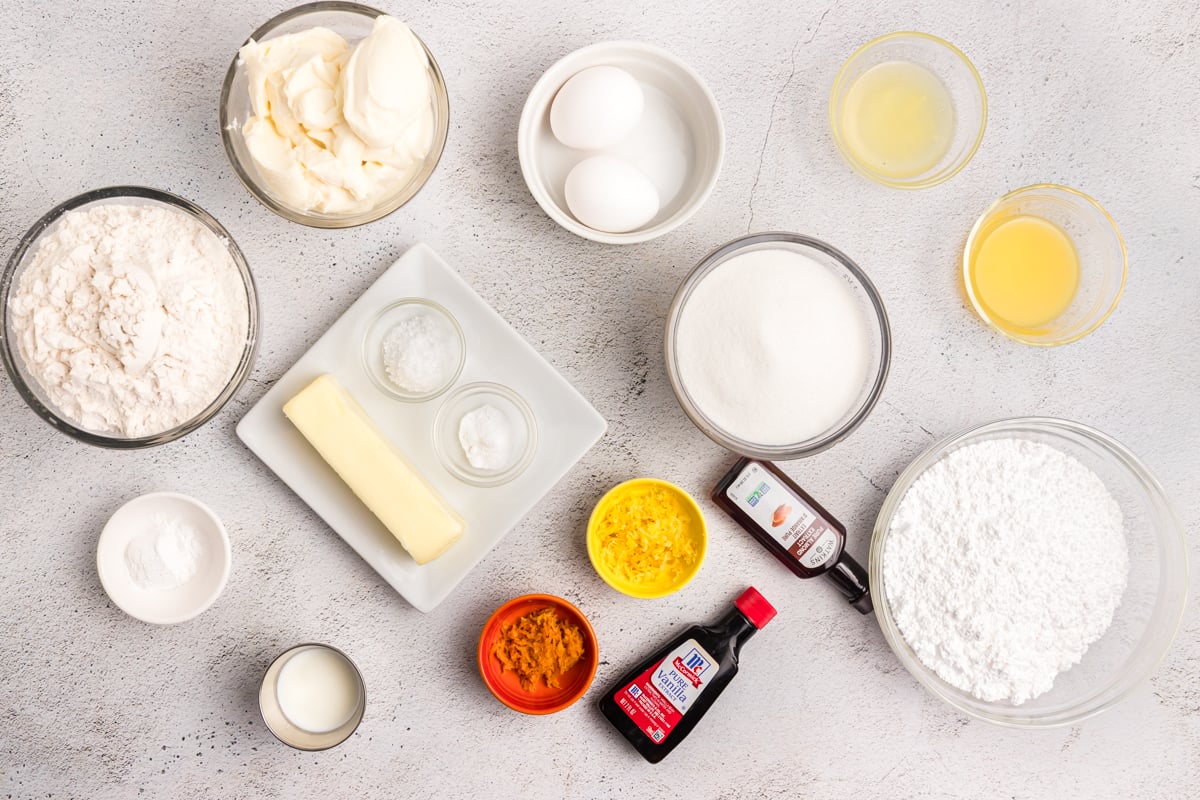
Ingredients for Italian Ricotta Cookies
Gather some pantry ingredients and a few extras and you’re well on your way to your new favorite cookies. A full list of ingredients with measurements for this recipe is available in the printable recipe card below.
- Whole milk ricotta cheese: The key to the cookies’ soft, cake-like texture. Drain away excess liquid so the dough doesn’t become unnecessarily loose.
- All-purpose flour: Gives the cookies structure while keeping their crumb tender. Measure carefully; too much flour can make the cookies heavy.
- Baking powder: Helps the cookies rise into soft, rounded mounds. Check that yours is fresh before starting.
- Baking soda: Works alongside the baking powder and contributes to the cookies’ texture and browning.
- Fine sea salt: Balances the sugar and brings out the citrus, vanilla and almond flavors. Use fine sea salt as written rather than swapping equal amounts of a coarser salt.
- Unsalted butter: Adds buttery flavor and richness. It should be soft enough to cream with the sugar, without looking melted or greasy.
- Granulated sugar: Sweetens the dough and helps create a light mixture when beaten with the butter.
- Eggs: Bind the dough and provide structure. Add them one at a time so they incorporate evenly.
- Lemon zest: Adds fragrant lemon flavor without adding extra liquid. Grate just the yellow outer peel, avoiding the bitter white pith.
- Orange zest: Gives the cookies a sweet citrus aroma that complements the lemon and almond.
- Pure vanilla extract: Rounds out the flavor and adds warmth.
- Almond extract: Gives the cookies a distinctive almond note that pairs beautifully with both citrus fruits.
- Powdered sugar: Creates a smooth, sweet glaze. Sift it first if it looks lumpy.
- Fresh lemon juice: Adds tartness to balance the sweetness.
- Fresh orange juice: Adds a sweeter citrus note and echoes the orange zest in the cookies.
- Milk: Use only if needed to loosen the glaze. Add it gradually so the icing stays thick enough to coat the cookies.
How to Make Italian Ricotta Cookies (Step-by-Step)
Bursting with flavor, these cookies are way easier to make than you think!
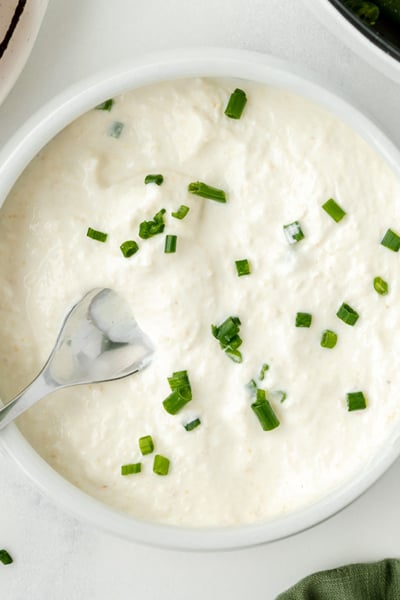
- Drain the ricotta. Let it sit in a fine-mesh strainer to release excess liquid while you prepare the other ingredients. This is important so the dough isn’t too loose. You don’t need to press it, but let is settle on it’s own.
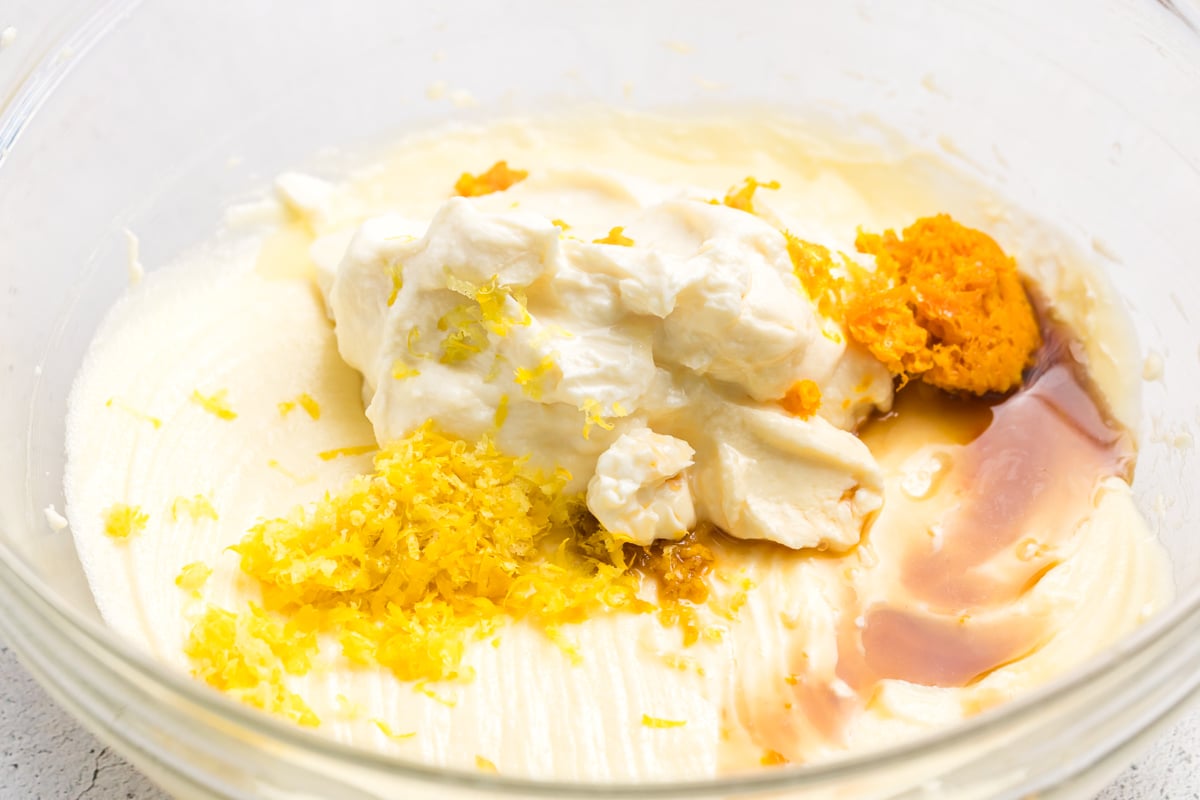
- Mix the dough. Whisk together the dry ingredients. In a separate bowl, cream the butter and sugar, then add the eggs, ricotta, citrus zest and extracts. Mix in the dry ingredients just until combined.
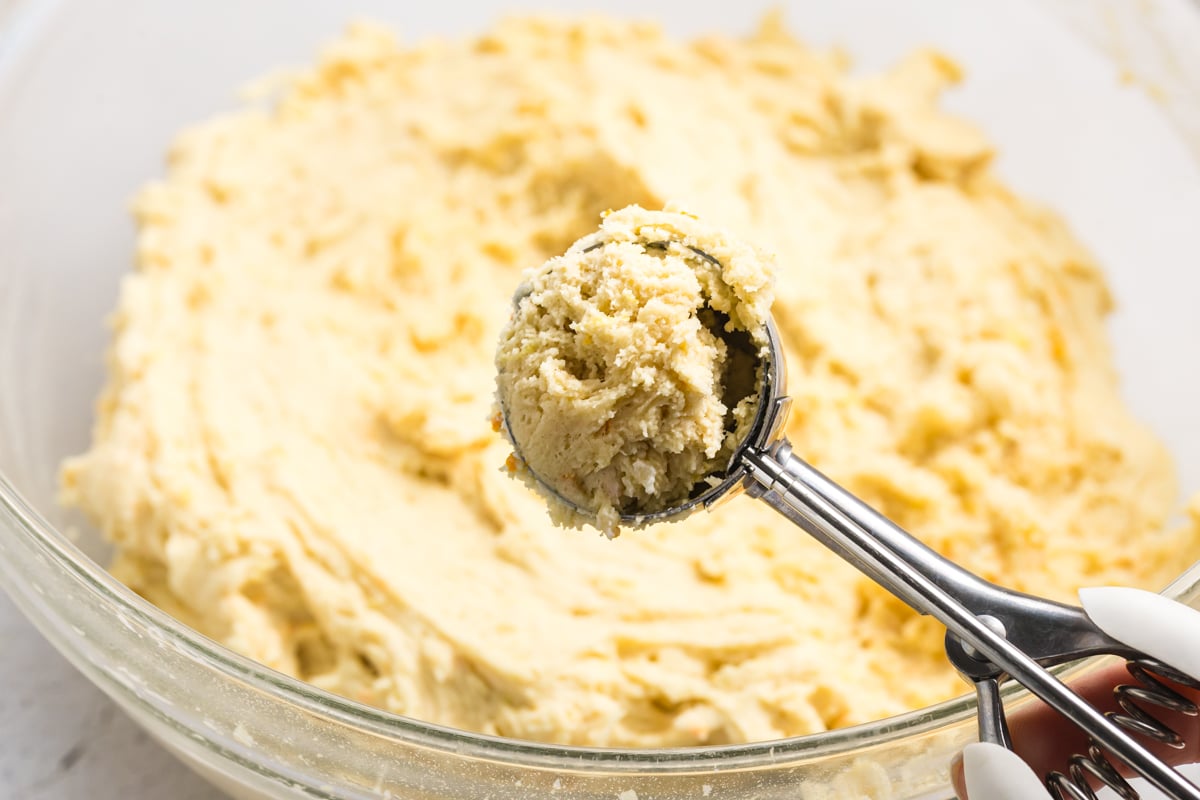
- Chill and scoop. Cover and refrigerate the dough for at least an hour. Use a cookie scoop to portion evenly onto parchment-lined baking sheets.
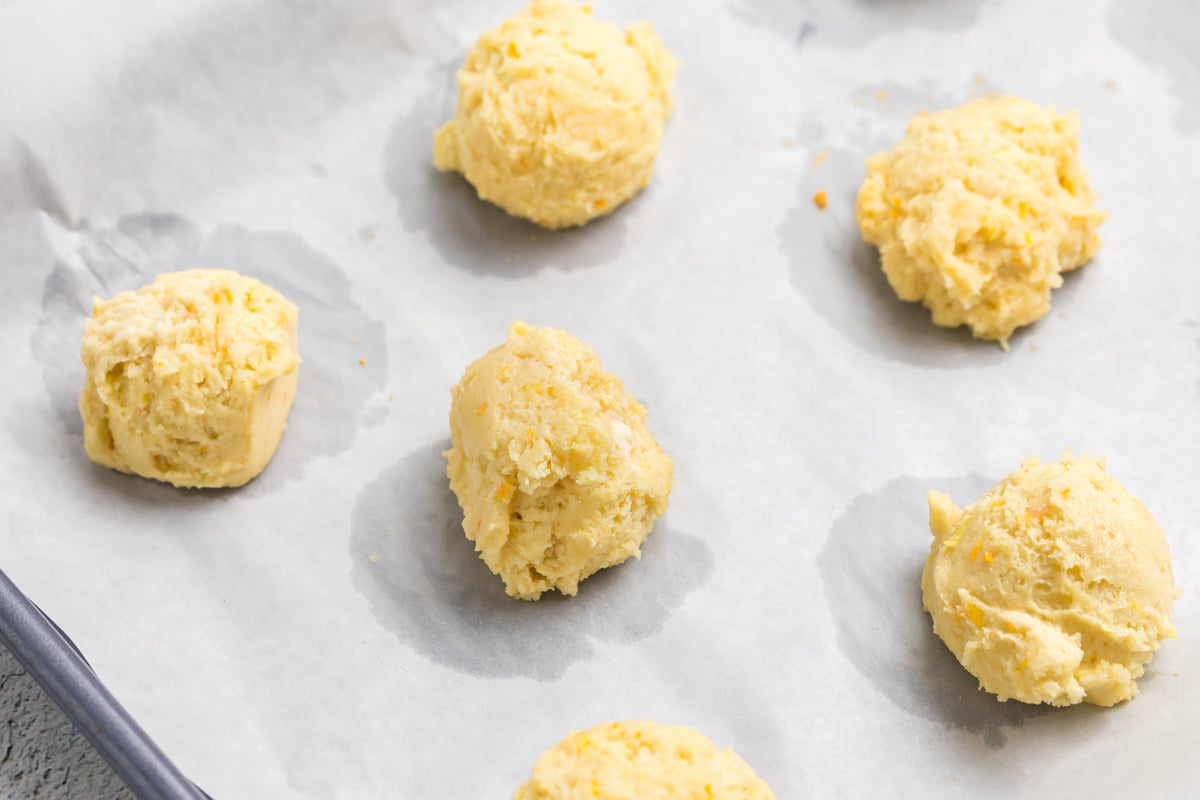
- Bake until set. Look for dry, set tops and lightly golden bottoms. These cookies should stay pale on top.
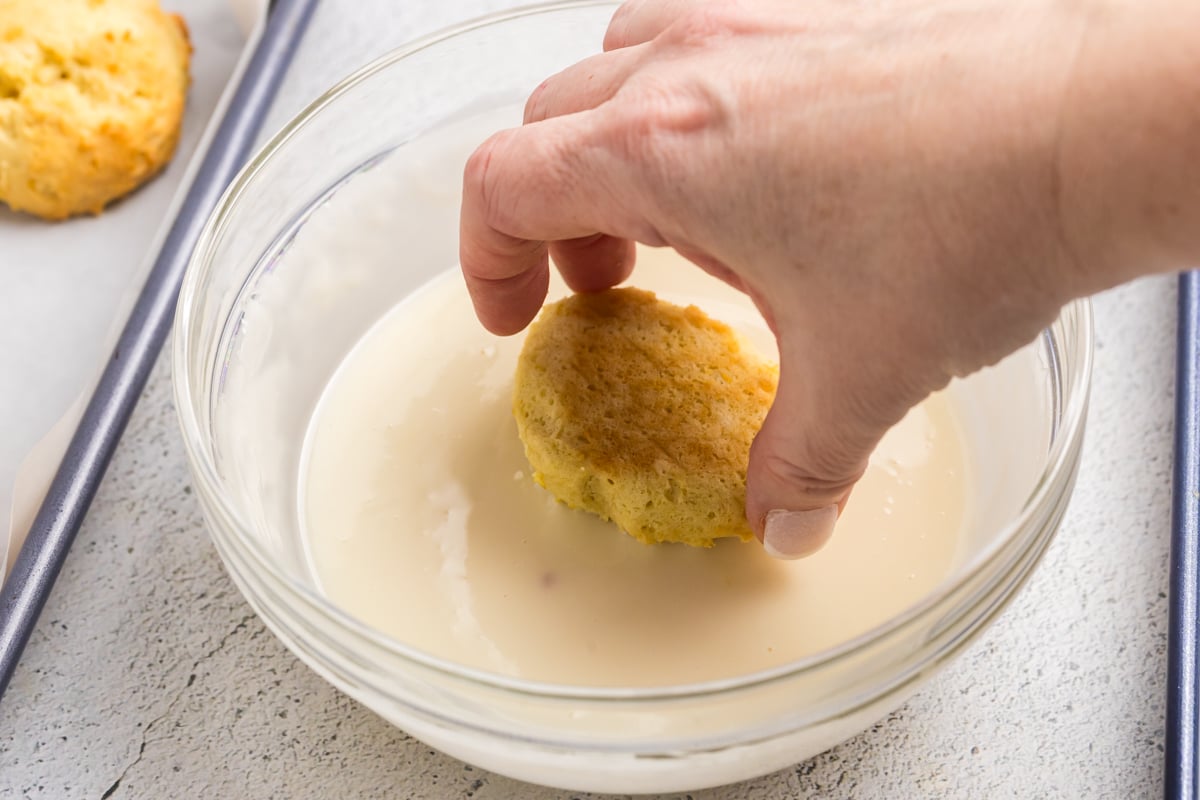
- Cool and glaze. Cool completely before dipping or spooning on the citrus glaze. Add sprinkles immediately, then let the icing firm before packing.
Chef Jessica’s Tips
- Use whole milk ricotta. The fat contributes tenderness and gives you a richer cookie.
- Don’t over-drain it. Ricotta is the reason these cookies stay ridiculously moist. We’re removing loose whey, not squeezing it bone-dry.
- Zest directly over the sugar. For an even stronger citrus aroma, zest the lemon and orange into the granulated sugar and rub it together with your fingertips before creaming it with the butter. This releases the citrus oils into the sugar.
- Use a cookie scoop. Ricotta cookie dough is intentionally soft. Adding a bunch of extra flour so it is easier to handle can make the finished cookies dry.
- Watch the bottoms, not the tops. Ricotta cookies aren’t supposed to get deeply browned. Pull them when they’re set with just a kiss of golden color underneath.
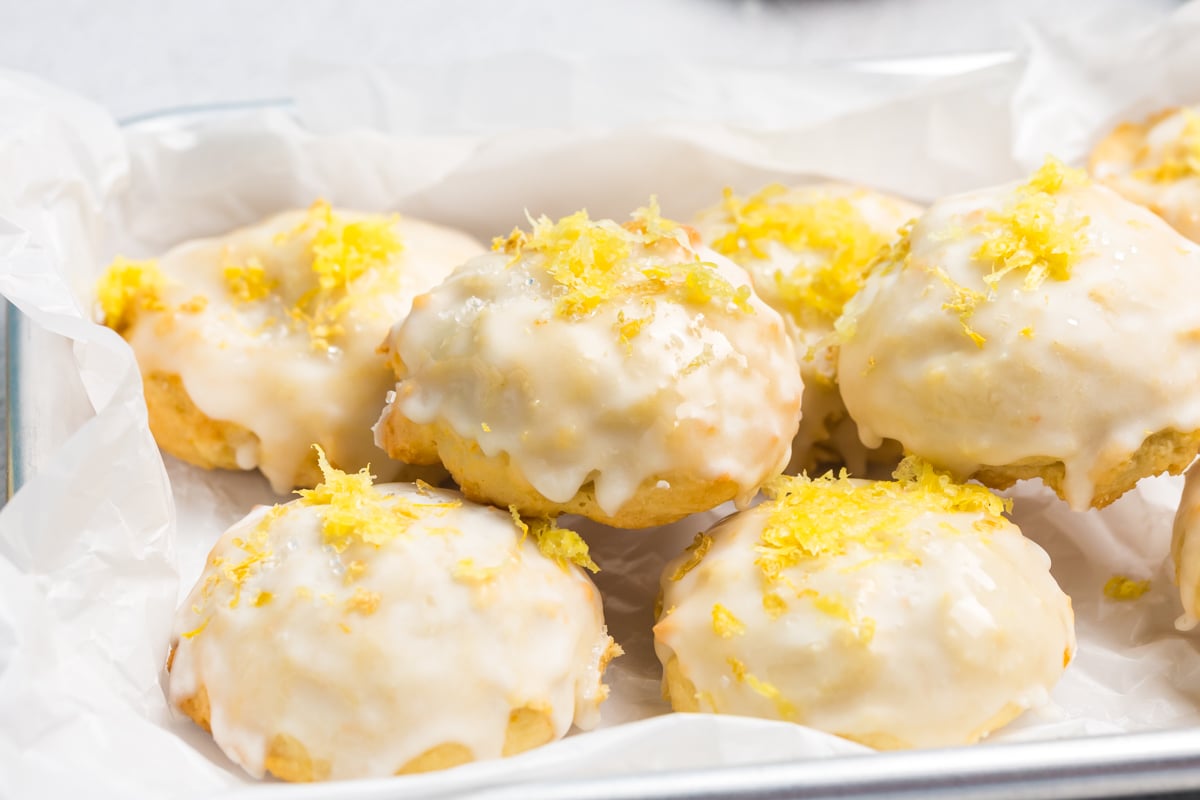
- Glaze only when completely cool. Warm cookies plus powdered sugar glaze equals sweet citrus puddles.
Troubleshooting
If you run into any issues, these are likely your answers.
- My cookies spread too much. Excess moisture, warm dough or hot baking sheets can contribute to spreading. Drain the ricotta as directed, give the dough its full chill and let baking sheets cool between batches.
- My cookies turned out dense. Too much flour or overmixing after adding it can make the cookies heavier. Measure carefully and stop mixing once no dry streaks remain.
- The glaze runs off the cookies. Let the cookies cool completely before icing. If the glaze still runs off, whisk in a little more powdered sugar. Add optional milk only when the glaze needs thinning.
- The sprinkles won’t stick. The glaze has probably started to set. Glaze and decorate in small batches.
- The glaze feels dry but sticks when stacked. A dry surface doesn’t always mean the glaze is firm underneath. Give it more time, then test a cookie before packing the batch.
Storage and Freezing
Make ahead: Prepare the dough, cover tightly and refrigerate overnight. Keep it chilled until you’re ready to scoop and bake.
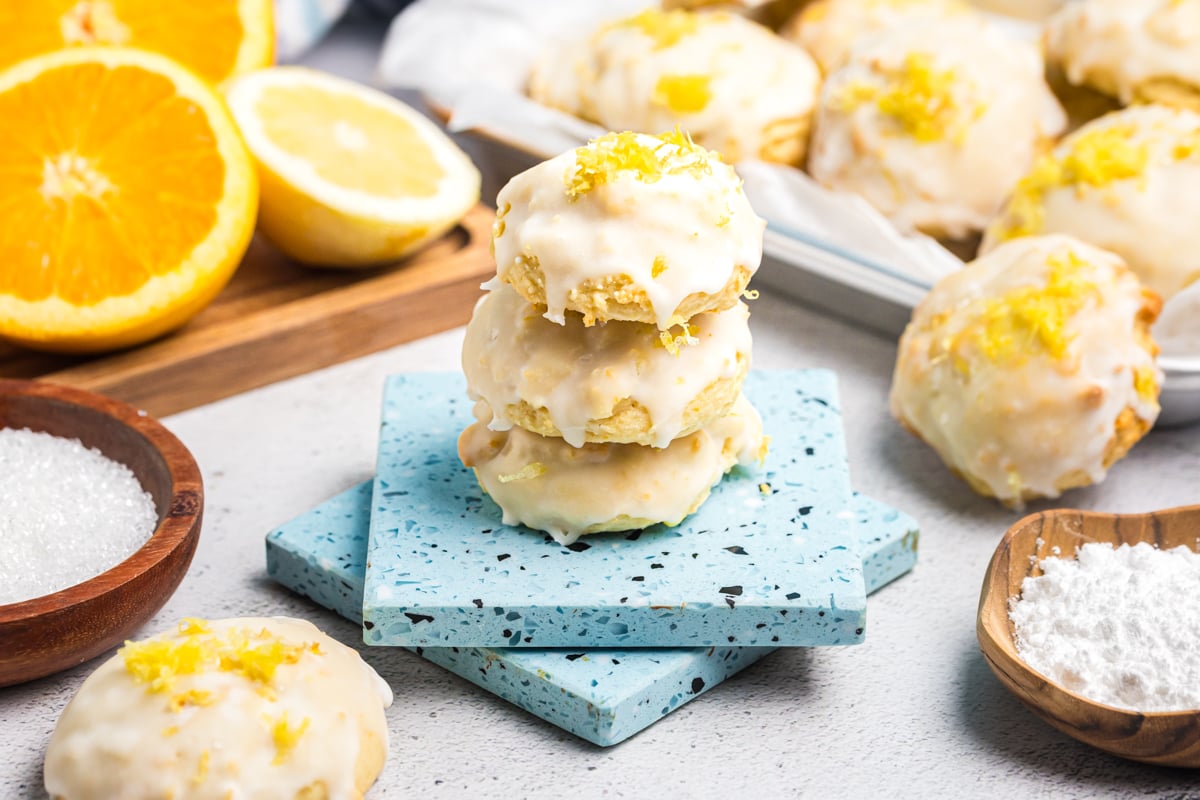
Storage: Once the glaze has set, store the cookies in an airtight container in the refrigerator and enjoy within 4 days. Separate layers with parchment paper, and bring cookies to room temperature before serving for a softer bite.
Freezing: For the best-looking finish, freeze the baked cookies without glaze. Freeze them in a single layer until firm, then transfer to a freezer-safe container for up to 2 months. Thaw in the refrigerator, bring to room temperature and decorate once the surfaces are dry.
Commonly Asked Questions
Yes. Every brand of ricotta holds a different amount of liquid. Too much liquid makes a loose dough, and loose dough spreads in the oven.
You don’t need to press it. Just let it sit in a strainer while you prep. You want to lose the loose whey, not squeeze it dry. That moisture is what keeps these cookies soft.
This dough is soft on purpose. Chilling firms up the butter, so the cookies hold their shape and bake into tall, soft domes.
Give it at least one hour. Warm dough is one of the main reasons ricotta cookies spread flat.
Fat makes these cookies tender. Whole milk ricotta has more fat than part-skim, so you get a richer, softer cookie.
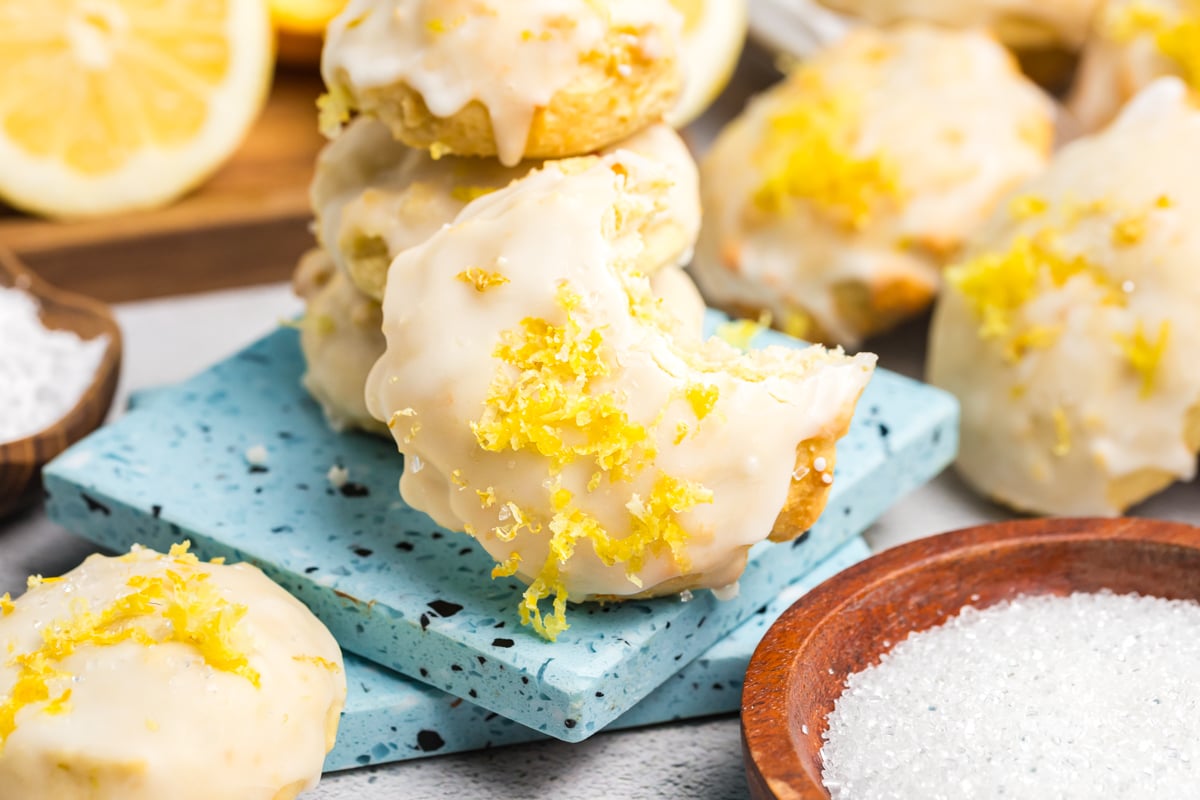
Vanilla adds warmth and rounds out the flavor. Almond is the classic Italian bakery note. It also pairs really well with the lemon and orange.
Most ricotta cookies use only vanilla. The almond is the little secret that makes them taste like they came from a bakery box.
Look at the bottoms, not the tops. The tops should look dry and set but stay pale. The bottoms should be just lightly golden. If the tops start to brown, they’ve gone too far.
More Fun Cookie Recipes
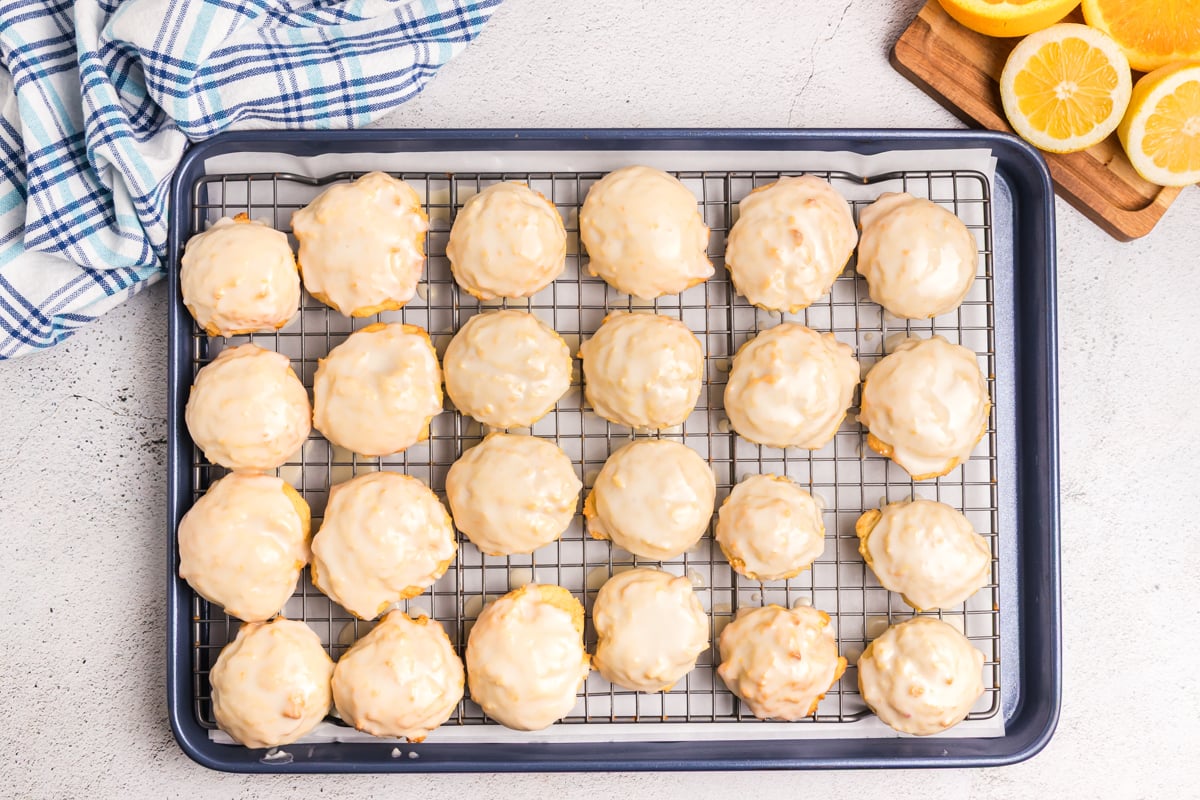
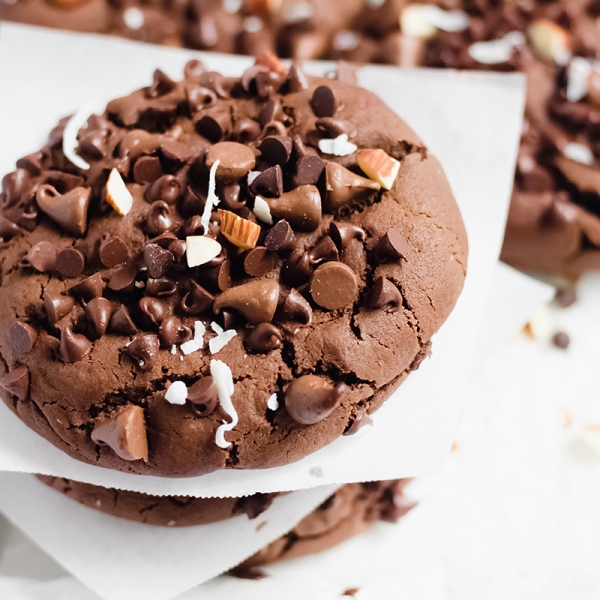
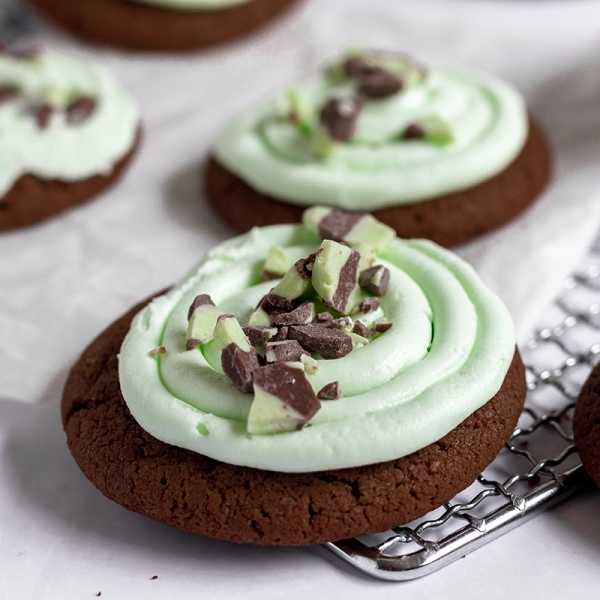
While I love a good chocolate chip cookie, sometimes a different, fun flavor is in order!

Italian Ricotta Cookies Recipe
Equipment
Ingredients
Cookie Dough:
- 15 ounces whole milk ricotta cheese , drained
- 2 3/4 cups flour
- 2 teaspoons baking powder
- 1/2 teaspoon baking soda
- 1 1/2 teaspoons fine sea salt
- 1/2 cup unsalted butter , softened
- 1 1/2 cups sugar
- 2 eggs
- 1 tablespoon grated lemon zest
- 1 tablespoon grated orange zest
- 2 teaspoons vanilla extract
- 1 teaspoon almond extract
Citrus Glaze:
- 2 cups powdered sugar
- 1 1/2 tablespoons fresh lemon juice
- 1 1/2 tablespoons fresh orange juice
- 1/2 teaspoon vanilla extract
- 1/2 teaspoon almond extract
- 1/8 teaspoon fine sea salt
- 1-2 teaspoons whole milk , only if needed
For Decorating:
- Rainbow nonpareils or holiday sprinkles , optional
- Finely grated orange or lemon zest , optional
Instructions
Cookies:
- Place the 15 ounces whole milk ricotta cheese in a fine-mesh strainer for about 20-30 minutes to drain. No need to press it; just let the excess liquid drip out.
- Whisk or sift together the 2 3/4 cups flour, 2 teaspoons baking powder, 1/2 teaspoon baking soda and 1 1/2 teaspoons fine sea salt. Set aside.
- Using a stand mixer fitted with the paddle attachment or an electric mixer, cream together the softened 1/2 cup unsalted butter and 1 1/2 cups sugar for 2-3 minutes, or until light and fluffy.
- Beat in the 2 eggs one at a time, scraping down the bowl after each addition.
- Mix in the drained ricotta along with 1 tablespoon grated lemon zest 1 tablespoon grated orange zest, 2 teaspoons vanilla extract and 1 teaspoon almond extract. The mixture might look slightly curdled. This is completely normal.
- Mix the dry ingredients into the ricotta mixture on low speed just until no dry streaks remain. Do not overmix.
- Cover the dough and refrigerate for 1 hour, or up to overnight.
- When ready to bake, preheat the oven to 350°F and position in the middle of the oven. Line light colored baking sheets with parchment paper.
- Use a 2 tablespoon cookie scoop and place dough in mounds on the prepared cookie sheet about 2 inches apart.
- Bake for 11-13 minutes, or until the tops look dry and set and the bottoms are very lightly golden. The tops should remain fairly pale.
- Let the cookies rest on the baking sheet for 5 minutes before transferring them to a wire rack. Cool completely before glazing.
Citrus Glaze:
- Whisk together the 2 cups powdered sugar, 1 1/2 tablespoons fresh lemon juice, 1 1/2 tablespoons fresh orange juice, 1/2 teaspoon vanilla extract, 1/2 teaspoon almond extract and 1/8 teaspoon fine sea salt until smooth.
- You want the glaze thick enough to sit on top of the cookie instead of dripping down the sides. Add the milk 1 teaspoon at a time only if needed.
Decorate & Set:
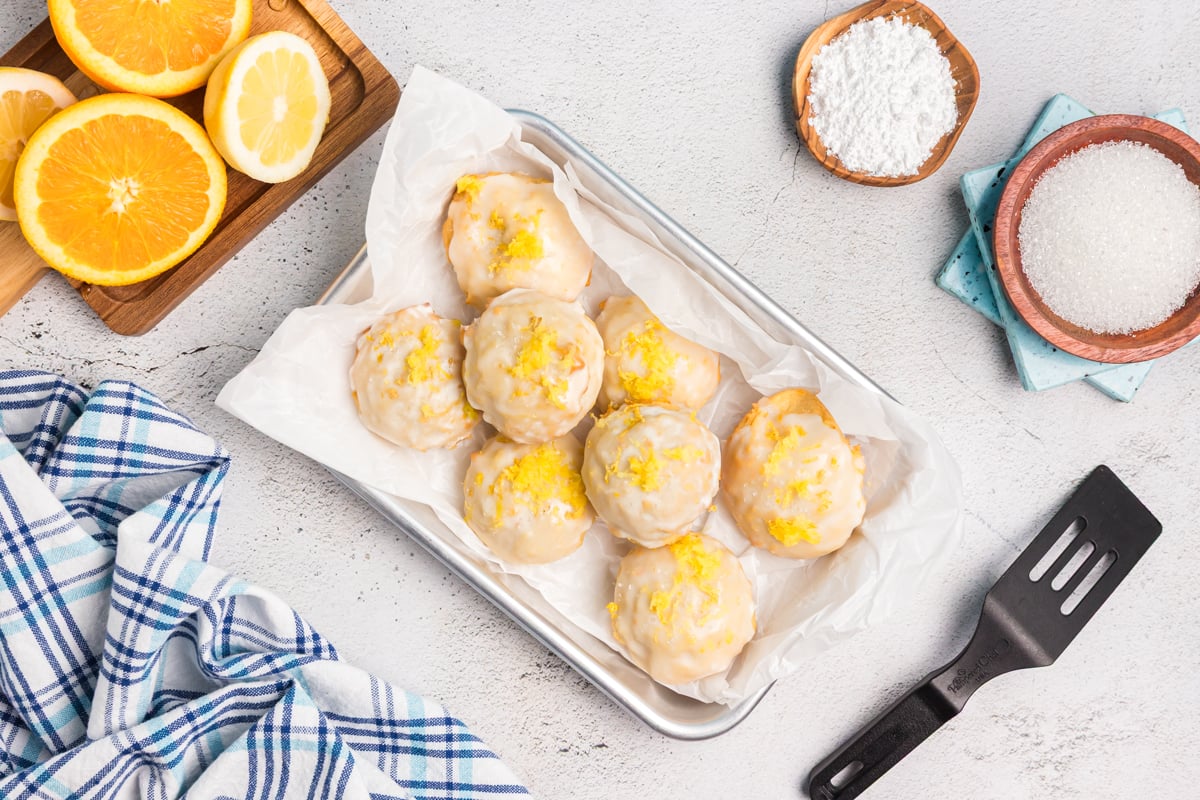
- Dip the tops of the cooled cookies into the glaze or spoon glaze over each cookie. Immediately add nonpareils before the icing starts to set.
- Allow the glaze to firm for 30-60 minutes before stacking.
- If you've tried this recipe, come back and let us know how it was in the comments or star ratings.
Notes