Scallions
Scallions, also called green onions or spring onions, are one of the easiest ways to add fresh onion flavor without overpowering a dish. They are also way more than just a garnish.
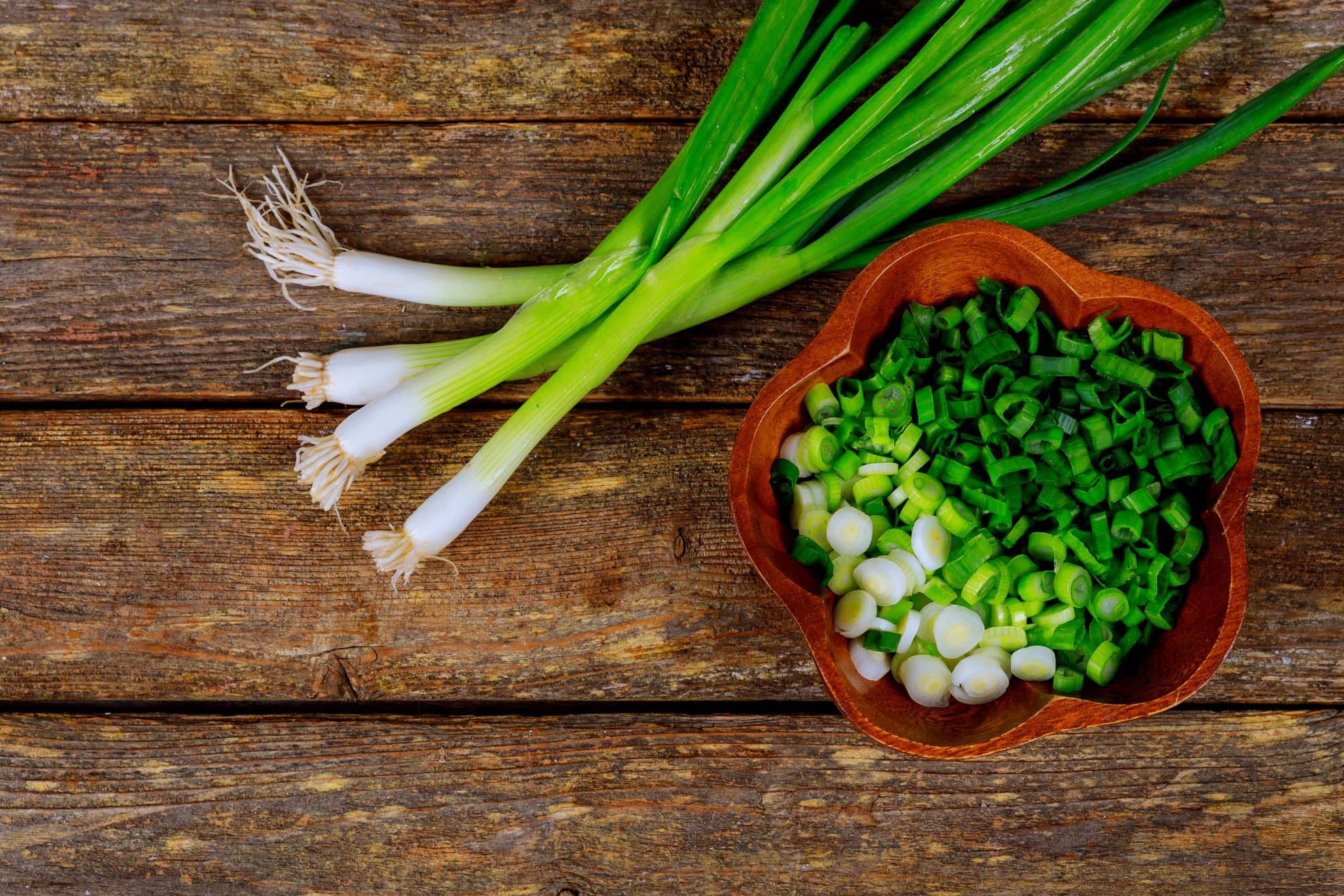
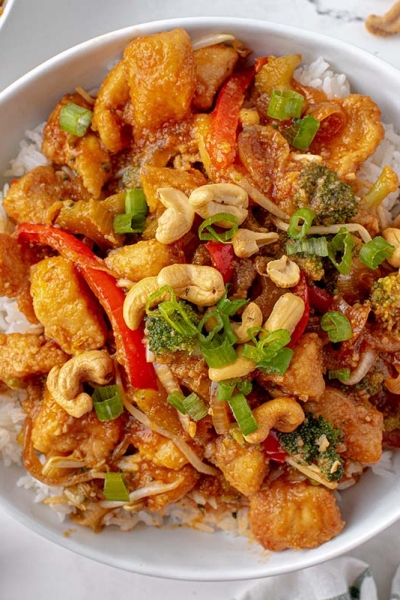
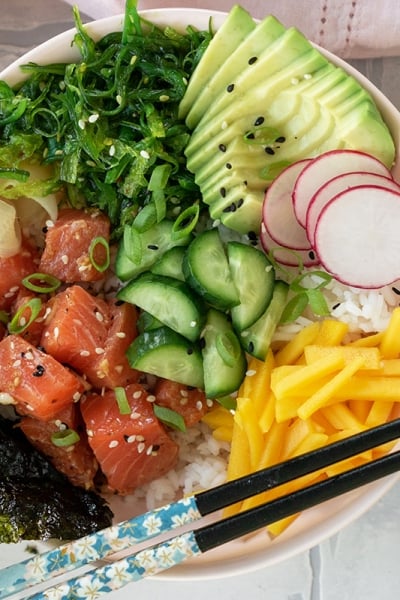
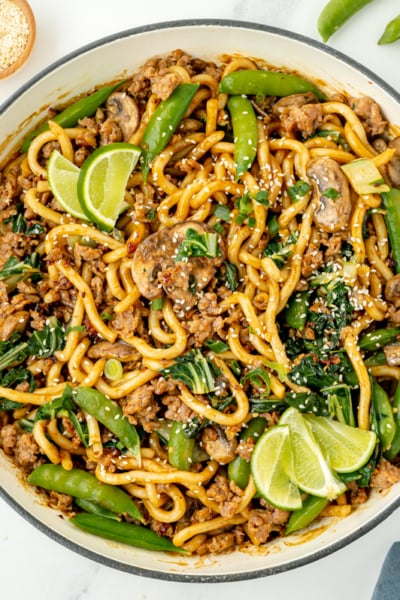
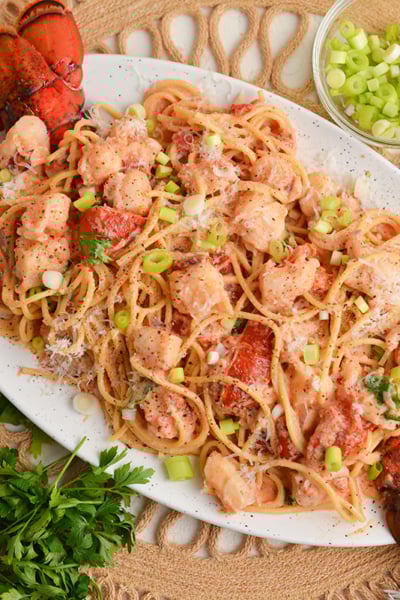
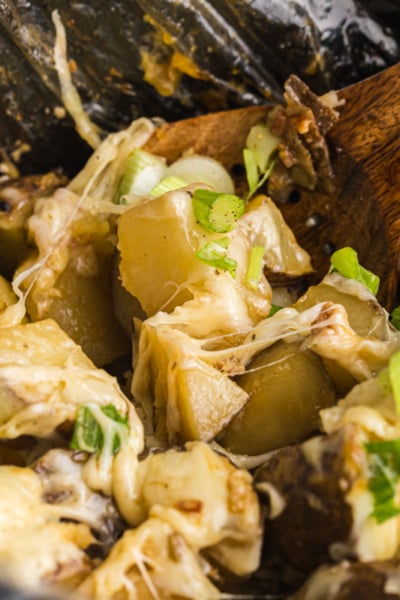
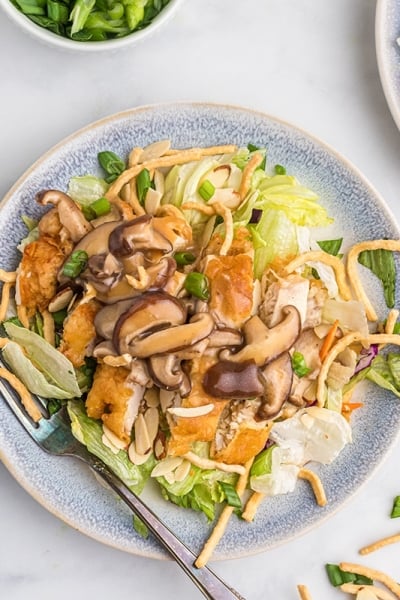
The white parts are sharper and slightly sweet, while the green tops are milder, fresh, and perfect for garnish. Whether you’re tossing them into fried rice, piling them onto burgers, or charring them on the grill, scallions are one of those humble ingredients that can quietly make everything taste better.
What are Scallions?
Scallions have a white base and long green hollow tube-like stalks. When still in the ground, they look a little like chives, but if you pull them out you’ll see a white bulb that looks like it could grow into a sphere-ish onion.
Both whites and greens can be used for cooking either raw or cooked.
They grow in patches and are available year round, although their natural harvest peak is spring and summer. They are easy to grow and often take over gardens.
What Do Scallions Taste Like?
Most of the time scallions can be categorized as a mild onion flavor, but I think we can all attest to getting that rare one that makes your eyes water, so I don’t want to stereotype them.
The flavor consists of two parts: white bottoms and green tops. The bottoms taste more like onion with a sweet aftertaste, while the green top has been described as fresh and grassy. It is often used as a garnish due to it’s even milder flavor.
Scallions vs Green Onions
In most U.S. grocery stores, scallions and green onions are the same thing- young onions with a small white base and long green stalks. The term spring onion is sometimes used interchangeably, but it can also refer to a slightly more mature onion with a larger bulb and a stronger flavor. To make things even more fun, the names can vary by region, so what one cook calls a scallion, another might label a green onion or spring onion.
How to Cut Scallions
Rinse the scallions well under cold water to remove any dirt or grit.
Trim off the root ends at the white base.
Remove any wilted or damaged green tops.
Separate the white and green parts if you’ll be adding them at different stages of cooking.
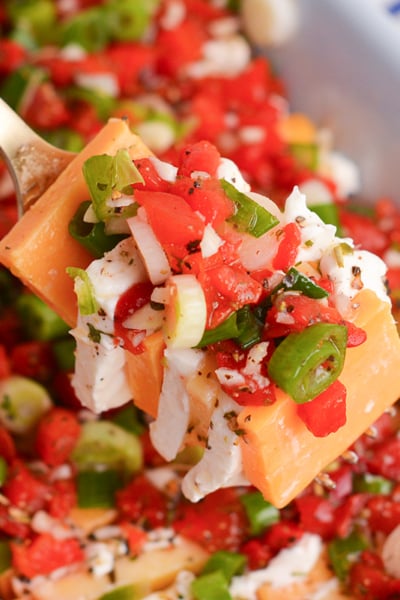
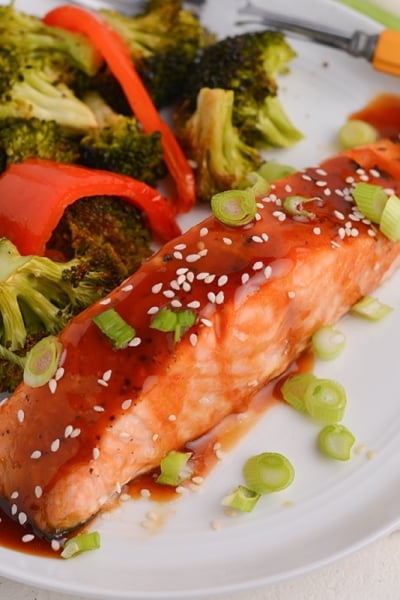
Slice them thinly for garnish, dips, or salads.
Cut them on a bias for stir-fries or when you want a prettier presentation.
Cooking
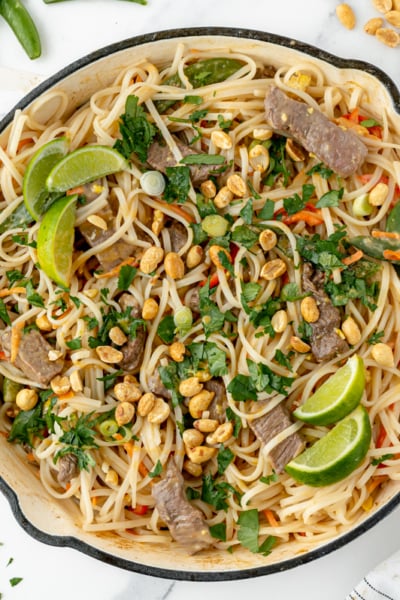
Scallions can be eaten raw or cooked. They are very common in many global cuisines, but most notably Latin and Asian foods.
The thinner the slice, the more flavor they release. Use whites for onion essence and greens for fresh, snappy garnish.
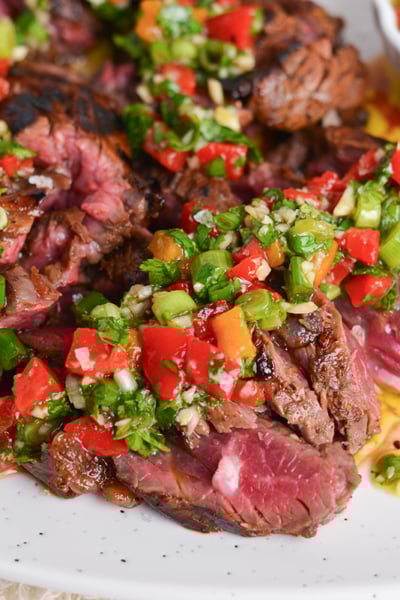
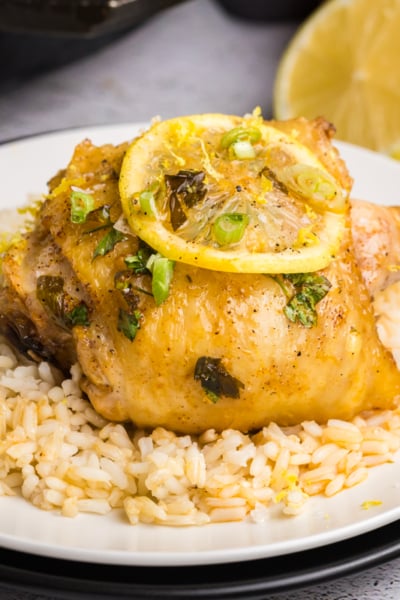
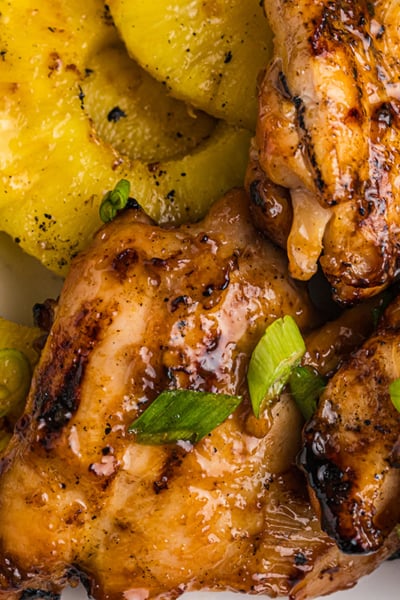
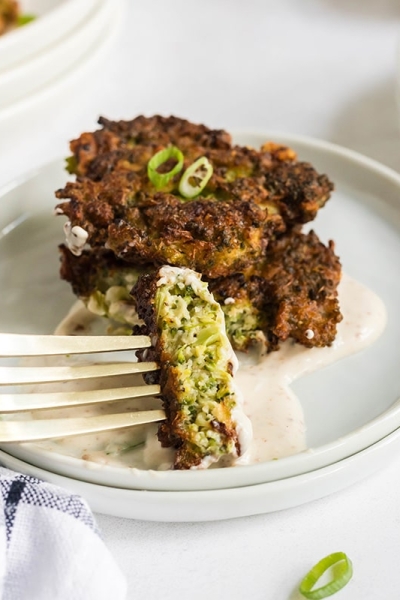
One of my favorite ways to eat them is charred on the grill. They complement just about any grilled meat, are beautiful to decorate a plate and also fabulous on burgers.
Shopping for Scallions
Scallions are generally easy to find in grocery stores and farmers markets. They might range in size, but look for a firm base that it isn’t slimy or soggy with brightly colored and stiff greens. Avoid any that aren’t green or wilted.
To store, wrap in a damp paper towel and place them in the vegetable crisper. They should be good for 3-5 days, although I’ve had a couple that were usable past a week. I really depends on how fresh they were at the store to begin with.
How to Store Scallions
To keep scallions fresh, wrap them loosely in a damp paper towel and place them in the refrigerator crisper drawer. You can also stand them upright in a jar with a little water at the bottom and loosely cover the tops with a plastic bag.
For the best flavor and texture, use them within 3 to 5 days, although very fresh scallions can sometimes last a little longer. Always discard any that turn slimy, wilted, or develop a strong off smell.
Can you Freeze Scallions?
Yes, you can freeze scallions. Slice them first, then store them in a freezer-safe bag or airtight container. They’re best used straight from the freezer in cooked dishes like soups, eggs, stir-fries, and sauces, since they’ll lose some of their crisp texture once thawed.
Chef Tips for Cooking With Scallions
Use the white and green parts differently. The white bottoms have the strongest onion flavor, so cook those first. The dark green tops are milder and best added at the end.
Slice thinner for more punch. Thin slices release more flavor and distribute better in dips, eggs, and dressings.
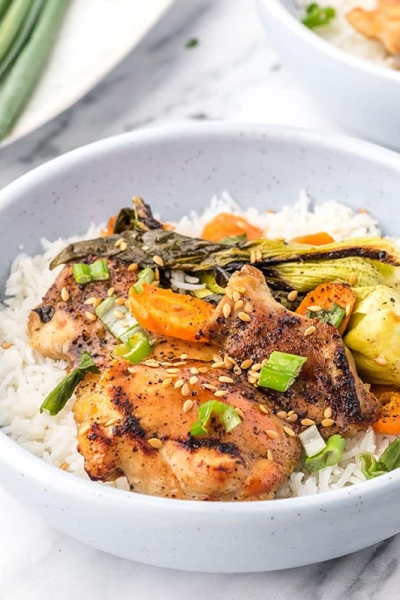
Char them whole. Toss scallions with a little oil and grill until lightly blistered for a sweet, smoky finish that’s fantastic on burgers, steak, chicken, and grain bowls.
Soak sliced scallions in ice water for garnish. This crisps them up and gives you those pretty little curly tops that make a plate look restaurant-fancy without any actual emotional damage.
Don’t skip the greens. A lot of cooks use the white part and forget the tops, but the greens bring freshness, color, and a lighter onion note.
Add them in layers. Use the whites while cooking and the greens right before serving for more dimension.