Mussels
Mussels are the “weeknight flex” of seafood: affordable, fast-cooking, and fancy-looking with almost no effort.
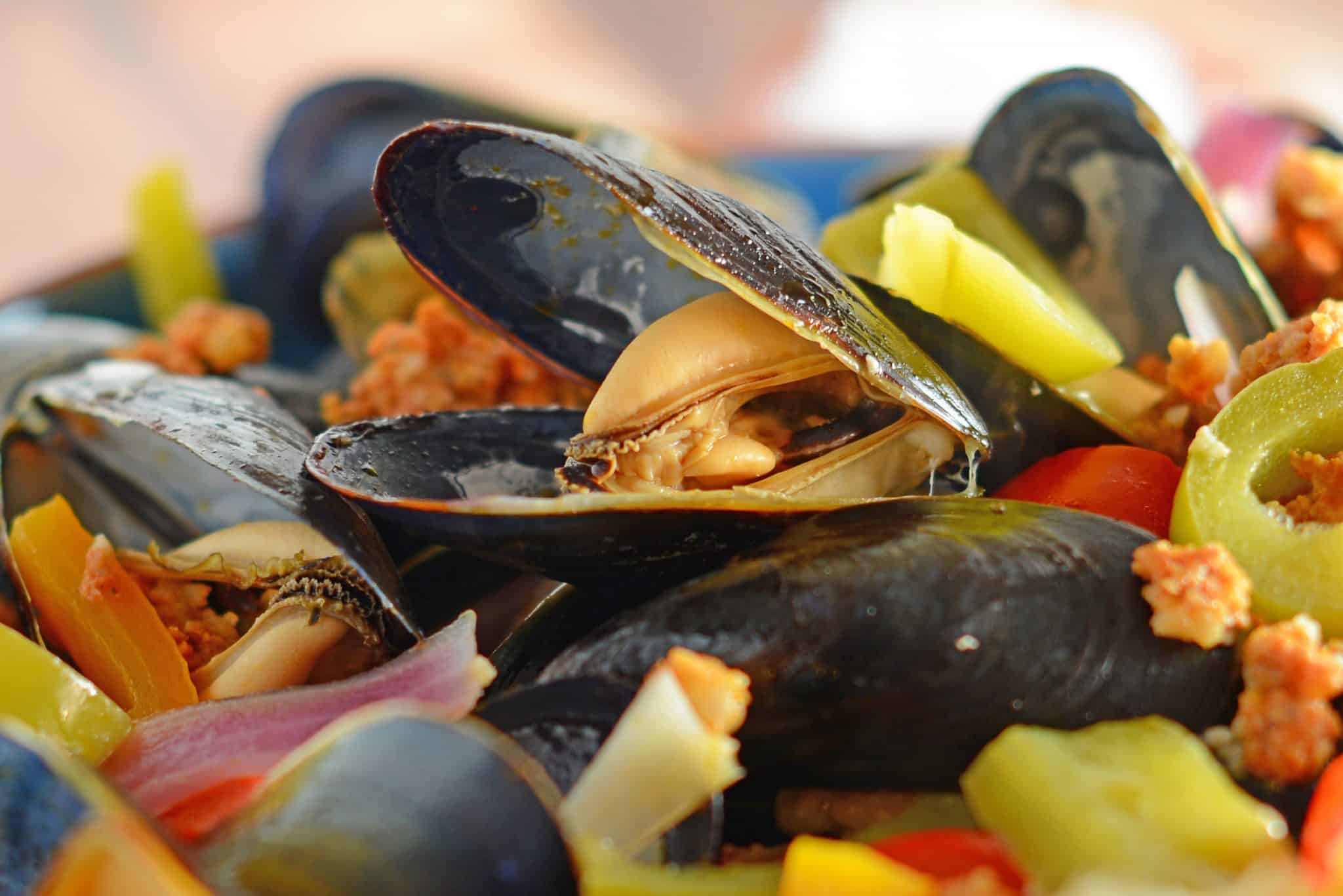
Whether you’re steaming them in white wine, tossing them into pasta, or building a big seafood pot, this guide covers the types of mussels you’ll see most often, how to clean them, and which recipes love them most.
What Are Mussels?
Mussels are bivalve shellfish (two shells hinged together) that live in saltwater or freshwater. In cooking, most recipes use saltwater mussels-especially blue/black mussels- because they’re widely farmed, consistent in quality, and deliciously briny-sweet.
Flavor and texture:
Flavor: mildly sweet, ocean-briny, sometimes slightly mineral
Texture: tender and juicy when cooked correctly (rubbery when overcooked-more on that below)
Types of Mussels (Black, Green, Zebra, and PEI)
Below are the mussel types people search for most—plus what they’re best for in the kitchen.
Black Mussels (Blue/Black Mussels)
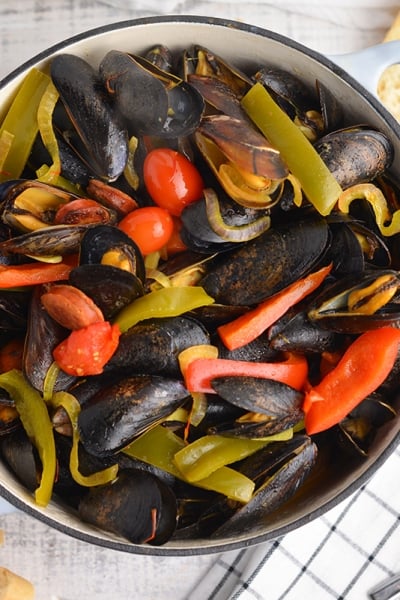
“Black mussels” is a common market name for the mussels most of us cook at home or see in restaurants (often called blue mussels). They have dark shells (blue-black) and creamy, orange-to-tan meat.
What to expect:
Size: small to medium
Flavor: classic briny-sweet mussel flavor
Best uses: steamed mussels, moules-frites, pasta, soups, paella, seafood stews
Chef tip: If a recipe just says “mussels,” this is usually what it means.
Green Mussels
“Green mussels” can refer to a couple of different mussels depending on where you live and shop:
Green-lipped mussels (often from New Zealand)
Distinctive green edge on the shell (“green lip”)
Larger, meatier bite
Great for: grilling, baking, stuffing, brothy steams, and big-flavor sauces
Asian green mussels (more common in some coastal regions)
Also green-tinged shells, often sold frozen/precooked in some markets
Great for: curries, garlic-chili sauces, and stir-fries
Chef tip: Because green mussels tend to be larger, they can handle bolder flavors (think coconut curry, spicy tomato broths, or gochujang butter).
Zebra Mussels
Zebra mussels are a freshwater, invasive species found in many lakes and rivers. They’re small, striped, and- while technically mussels-are NOT what most recipes mean by “mussels.”
Important notes:
They are not commonly sold for food.
Harvesting/handling can be regulated in many areas due to invasive-species rules.
Because they’re freshwater filter feeders, food safety can be a concern depending on where they came from.
Bottom line: For cooking, stick to reputable, food-grade mussels from a market (typically black/blue or PEI).
PEI Mussels (Prince Edward Island Mussels)
PEI mussels are farmed mussels from Prince Edward Island, Canada-best known for being clean, consistent, and sweet.
What to expect:
Type: typically farmed blue/black mussels
Flavor: mild, sweet, and balanced brininess
Best uses: classic steamed mussels, cream sauces, white wine garlic, and pasta
Chef tip: “PEI” is often a quality cue—great for simple preparations where the mussel flavor shines.
How to Buy Mussels (And Know They’re Fresh)
Look for:
Shells that are tightly closed (or close when tapped)
A clean, ocean smell (think: sea breeze, not “fishy”)
Minimal broken shells
Stored on ice in a breathable bag/mesh (not sealed airtight)
Avoid:
Cracked shells
Strong ammonia odor
Mussels sitting in standing water
How to Store Mussels
Use within 24 hours (same day is best).
Keep them cold in the fridge in a bowl, covered with a damp towel.
Do NOT store in airtight containers or submerged in water.
Chef tip: Mussels are alive until cooked—treat them like they’re auditioning for freshness.
How to Debeard and Clean Mussels (Step-by-Step)
“Beard” = the fibrous strands some mussels use to attach to rocks/lines.
Sort– Discard any with cracked shells. If a mussel is open, tap it: if it closes, it’s fine. If it stays open, toss it.
Rinse- Place mussels in a colander. Rinse under cold running water, rubbing shells to remove grit and barnacles.
Scrub- Use a stiff brush (or the scratchy side of a clean sponge) to scrub off debris.
Debeard- Hold the mussel firmly. Grab the “beard” with fingers or a towel (it’s slippery). Pull it out with a quick tug toward the hinge end (where the shells connect). Rinse again.
Optional purge (only if very sandy)- Soak 20 minutes in cold water with a big pinch of salt. Rinse well afterward.
Note: Many farmed mussels are already quite clean, so purging is often unnecessary.
Chef tip: Clean mussels right before cooking. Don’t let them sit around soaking forever- mussels aren’t doing a spa day.
Recipes That Commonly Use Mussels
If you’re building internal links on SavoryExperiments.com, these recipe styles pair perfectly with mussels:
Moules-frites (mussels + fries)
Mussels marinara over pasta
Seafood paella with mussels and shrimp
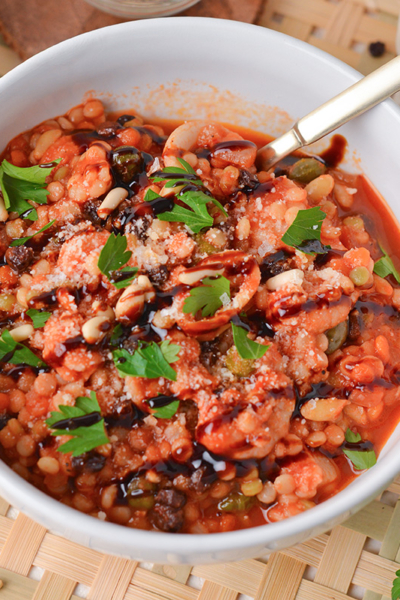
Cioppino or seafood stew
Thai coconut curry mussels
Mussels with chorizo and tomato
Baked or stuffed green mussels (for larger varieties)
Mussel Substitutions
If a recipe calls for mussels and you need a swap:
Clams (closest cooking method and vibe)
Shrimp (different texture, still great in pasta/stews)
Scallops (more delicate, cook even faster)
FAQs
Q: Are black mussels and blue mussels the same?
A: In most grocery stores, yes- “black mussels” commonly refers to the blue/black mussels most recipes use.
Q: Are green mussels the same as black mussels?
A: Not exactly. Green mussels are typically a different variety and often larger and meatier. Recipes work similarly, but cooking time may be slightly longer due to size.
Q: What are PEI mussels?
A: Mussels from Prince Edward Island, Canada- known for consistent quality. They’re usually in the “blue/black mussel” family sold for cooking.
Q: Are zebra mussels edible?
A: They aren’t commonly sold as food, and harvesting/handling can be regulated. For recipes, use food-grade mussels purchased from reputable sources.
Q: Do I have to debeard mussels?
A: If you see a beard, yes- remove it. Some mussels are already debearded at the supplier, but it’s worth checking.
Q: Why won’t some mussels open when cooking?
A: A few may remain closed. Common guidance is to discard mussels that don’t open after cooking.
Q: Can I cook mussels from frozen?
A: Yes- many frozen mussels are partially cooked. Follow package directions. Fresh mussels will have the best texture and broth.
Q: How many mussels per person?
A: As a main: about 1–1.5 pounds per person. As an appetizer: ½ pound per person.